Yellow Jackets Turn
Yellow Jackets Turn
45/72: Aug 13 to 17
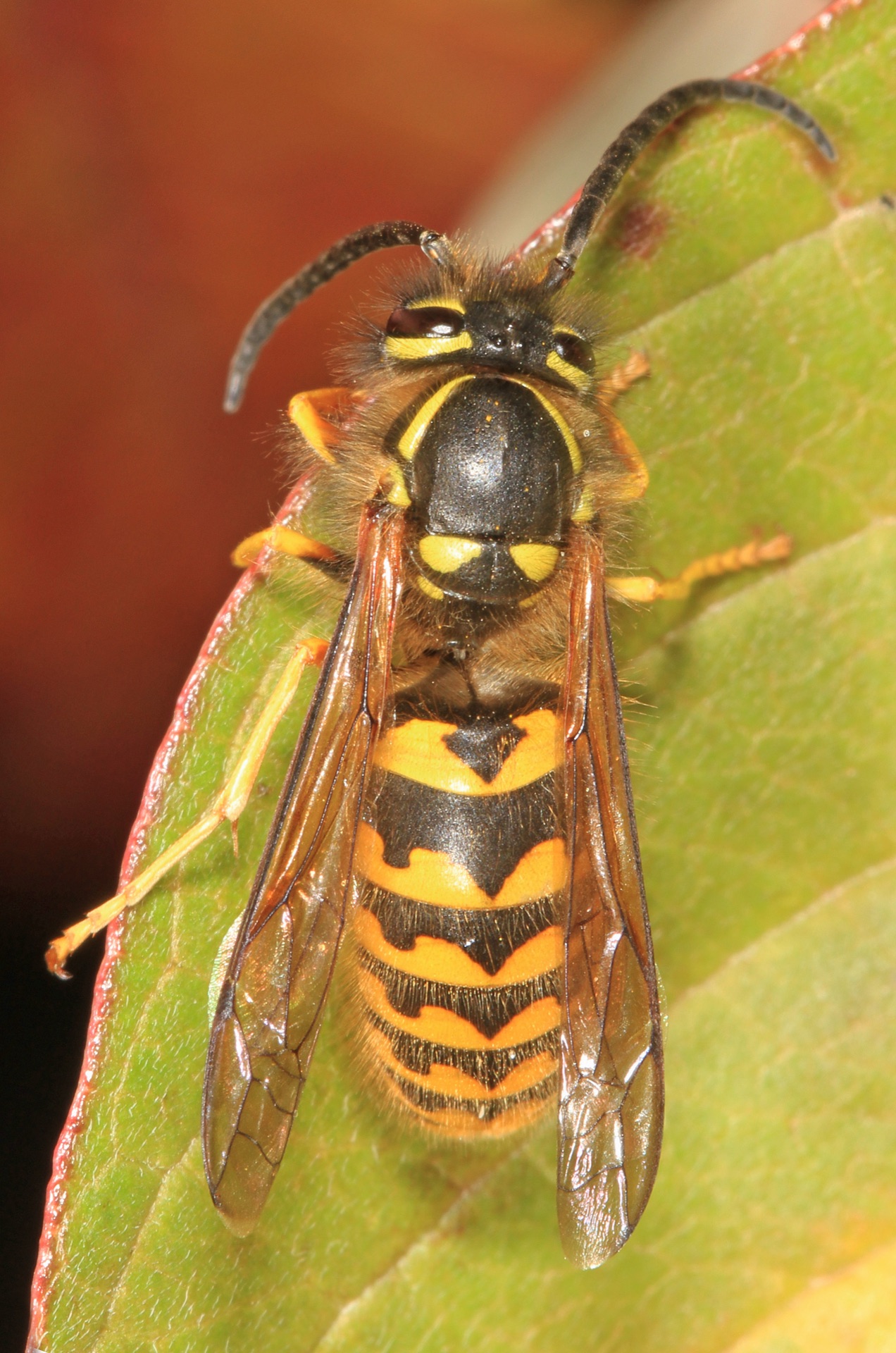
Yellow jackets turn aggressive. Colonies at maximum, tempers short.

風物詩 · Fūbutsushi
Yellow jackets swarming a late-summer picnic in mid-August — thousands in the colony, the workers desperate and short-tempered, summer's most unwelcome signal of the season's end.
物の哀れ · Mono no Aware
By October the first hard frost will have killed nearly all of them. The colony that spent all summer building its city will be gone, leaving only one queen asleep underground.
What the season brings?
Mid-August brings peak aggression from yellow jacket wasps (Vespula species) as colonies reach maximum size with hundreds to thousands of individuals. These social wasps have been building nests and raising young all summer, and by mid-August, colonies shift from rearing workers to producing next year's queens. This change in colony dynamics, combined with dwindling natural food sources and maximum population, makes yellow jackets increasingly aggressive and desperate for food. They become nuisances at picnics, garbage cans, and outdoor gatherings, attracted to sweet drinks, meats, and other human foods. While yellow jackets are beneficial predators that consume large numbers of pest insects through summer, their late-season behavior makes them unwelcome visitors. The first hard frosts will kill most of the colony, with only newly-mated queens surviving to overwinter and start new colonies next spring.
Convergence chain
Triggered by
Yellow jacket colony queen switches from worker production to reproductive queen and male production in mid-August; existing workers, no longer needed to feed larvae, shift from protein-seeking to sugar-seeking — driving the aggressive behavior at human food that peaks in August and September
Enables
Yellow jackets spend summer controlling caterpillar and fly populations through intensive larval provisioning; the shift to sugar-seeking makes them effective late-season pollinators of open-faced flowers like goldenrod; colony collapse by October removes the protein competition pressure on birds; overwintering queens restart colonies from scratch next spring
The cascade
Colony switches to reproductive mode → workers become sugar-focused and aggressive → late-blooming goldenrod and asters heavily visited → late-season pollination peaks → colonies begin dying as October cold arrives → queens find overwintering sites in bark and leaf litter → the same microhabitats used by overwintering mourning cloak butterflies → next spring, these sites release both yellow jacket queens and butterflies on the first warm March day
Foods to Mark the Season
Huckleberry picking moves into its best window across the mid-elevation Cascades—this is the traditional high-point of the harvest, coinciding with late summer hiking season. First golden chanterelles appear in earnest in western Washington and Oregon Cascade foothills after late-summer rains. Plums from Yakima Valley orchards begin ripening. Columbia River fall Chinook fishing is active.
Frequently Asked Questions
Visions of the Season
Read more
Each microseason is approximately 5 days, marking the subtle changes in nature throughout the year.