Tree Frogs Call
Tree Frogs Call
4/72: Jan 15 to 19
Tree frogs call from the darkness. Hopeful voices on mild winter nights.

風物詩 · Fūbutsushi
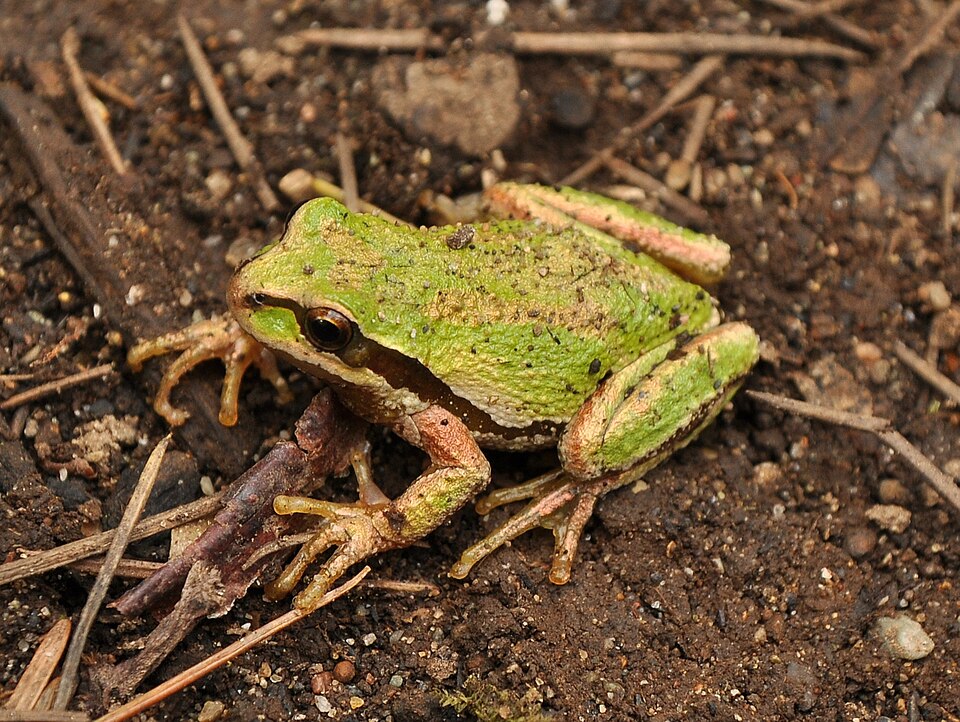
Pacific tree frogs calling from a wetland ditch on a mild January night — the year's first voice of approaching spring.
物の哀れ · Mono no Aware
By dawn they fall silent again, and the cold returns. The pond remembers nothing of the night's chorus.
What the season brings?
On mild winter nights in mid-January, Pacific tree frogs (Pseudacris regilla) begin their breeding calls from wetlands, ponds, and temporary pools across the Pacific Northwest. These small frogs, typically only 1-2 inches long, produce surprisingly loud "ribbit" calls that carry across the landscape, marking one of the earliest signs of approaching spring. Males call from shallow water edges, often in large choruses that create a cacophony of sound on nights when temperatures rise above 45°F. Though they breed primarily in spring, these hopeful winter vocalizations occur during warm breaks in the weather, demonstrating the species' adaptability and eagerness to reproduce.
Convergence chain
Triggered by
Mild January warming pushing nighttime temperatures above 5°C; standing water in seasonal ponds from December rains; this is exploratory calling — not the full breeding chorus of February, but the first male frogs testing conditions
Enables
The acoustic baseline established now will be used by females to evaluate male calling sites in the breeding chorus to come; corvids and herons note pond locations; owl predation begins at calling sites; red-legged frogs nearby begin their own subsurface calling in response
The cascade
Warm January rain warms ponds above 5°C → male Pacific tree frogs call sporadically from pond edges → barred owls locate calling frogs → red-legged frogs begin calling just below the water surface nearby → the pond activates week by week → by mid-February the exploratory calls have become a deafening breeding chorus that can be heard a quarter mile away
Foods to Mark the Season
Mid-to-late January continues winter's storage crop abundance—root vegetables (beets, carrots, parsnips, turnips), hardy brassicas (kale, Brussels sprouts, cauliflower), and storage alliums (garlic, leeks, onions). Winter squash and apples from fall harvest remain plentiful at winter farmers markets.
Things to Do
Listen for Pacific tree frog choruses on mild winter nights (above 45°F) near wetlands, ponds, and temporary pools—January marks the beginning of their breeding season with males creating loud "ribbit" calls. Visit wetland trails like Magnuson Park in Seattle or Washington Park Arboretum's Waterfront Trail for winter nature walks where frog calls can be heard.
Frequently Asked Questions
Visions of the Season
Read more
Each microseason is approximately 5 days, marking the subtle changes in nature throughout the year.