Long Night Falls
Long Night Falls
70/72: Dec 17 to 21
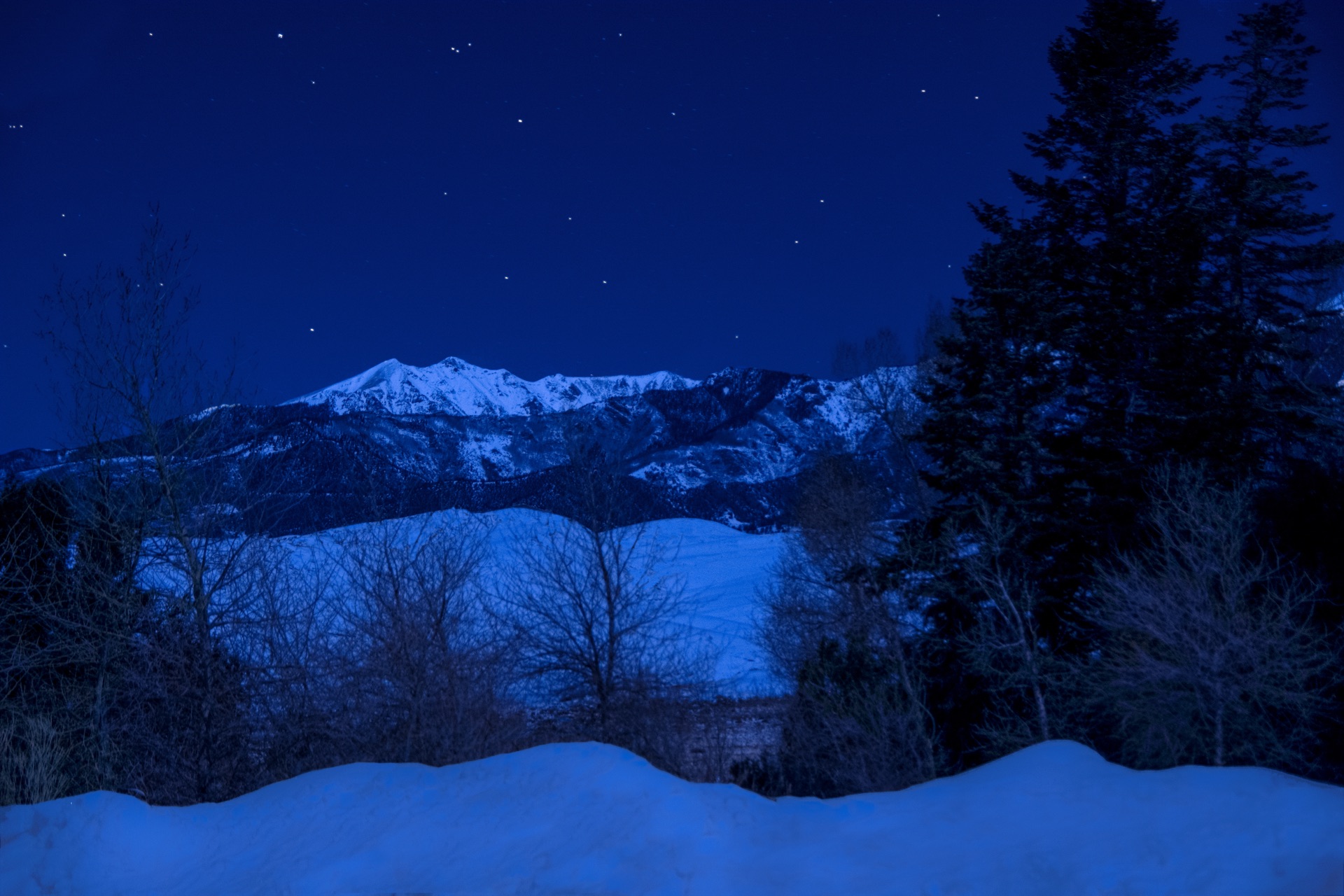
Winter solstice: the longest night. Darkness triumphant but already yielding.

風物詩 · Fūbutsushi
The winter solstice — the year's longest night and the sun's lowest arc, the darkness at its fullest before the slow, imperceptible return of light begins.
物の哀れ · Mono no Aware
Tonight is the longest night of the year. Tomorrow will be only one minute longer. But it will be longer. The light is already turning back, though you cannot yet feel it.
What the season brings?
The winter solstice (around December 21) brings the longest night and shortest day of the year to the Pacific Northwest, with only about 8 hours of daylight in Seattle and less in more northern locations. This astronomical event marks the sun's lowest point in the sky and the official beginning of winter, though December often feels firmly winter-like already. The solstice has been celebrated by cultures worldwide for millennia as a critical turning point—the moment when darkness reaches its peak but immediately begins yielding to returning light. Indigenous peoples throughout the Pacific Northwest recognized the solstice's significance with ceremonies and observations. Following the solstice, days begin lengthening by 1-2 minutes daily, a barely perceptible but psychologically important shift. The solstice's timing near Christmas and New Year creates a natural season for reflection, celebration, and anticipation of spring's eventual return, even as the darkest months of winter lie ahead.
Convergence chain
Triggered by
Winter solstice — Earth's axial tilt at maximum away from the sun, producing the shortest day of the year (8.5 hours at 48°N); biologically, the solstice is not an endpoint but a turning point — many species respond to the resumption of daylight increase immediately after, having been waiting for this inflection
Enables
Lengthening photoperiod begins triggering hormonal changes in early-breeding species within days; great horned owls begin courtship within 2 weeks of the solstice; Anna's hummingbirds begin the earliest nest preparation of any bird; steelhead in rivers begin positioning for spawning; the solstice is the biological reset that begins the next annual cycle
The cascade
Solstice passes → days begin lengthening by 1-2 minutes per day → great horned owls begin pair-bond hooting duets within 10 days → eggs laid in January while temperatures are still below freezing → Anna's hummingbirds begin nest construction on the most sheltered south-facing branches → steelhead position in river holding pools → by the time days are noticeably longer in February, great horned owl chicks are already 3-4 weeks old — the next season's breeding cycle is already underway before winter has ended
Foods to Mark the Season
Indigenous tribes celebrate winter solstice with traditional feasts featuring salmon, roots, chokecherries, huckleberries, and wild meats—the sacred first foods symbolizing renewal. Many modern celebrations embrace golden-hued foods like saffron buns, honey-glazed root vegetables, and bright winter squash soups to symbolize the returning sun.
Things to Do
Attend winter solstice celebrations including lantern-lit walks at Bloedel Reserve on Bainbridge Island or Washington Park Arboretum in Seattle. Indigenous tribes hold "Indian New Year" feasts and circle dances on December 21—mark the longest night with ceremonies honoring darkness yielding to light.
Frequently Asked Questions
Visions of the Season
Read more
Each microseason is approximately 5 days, marking the subtle changes in nature throughout the year.