Valley Fog Settles
Valley Fog Settles
3/72: Jan 10 to 14
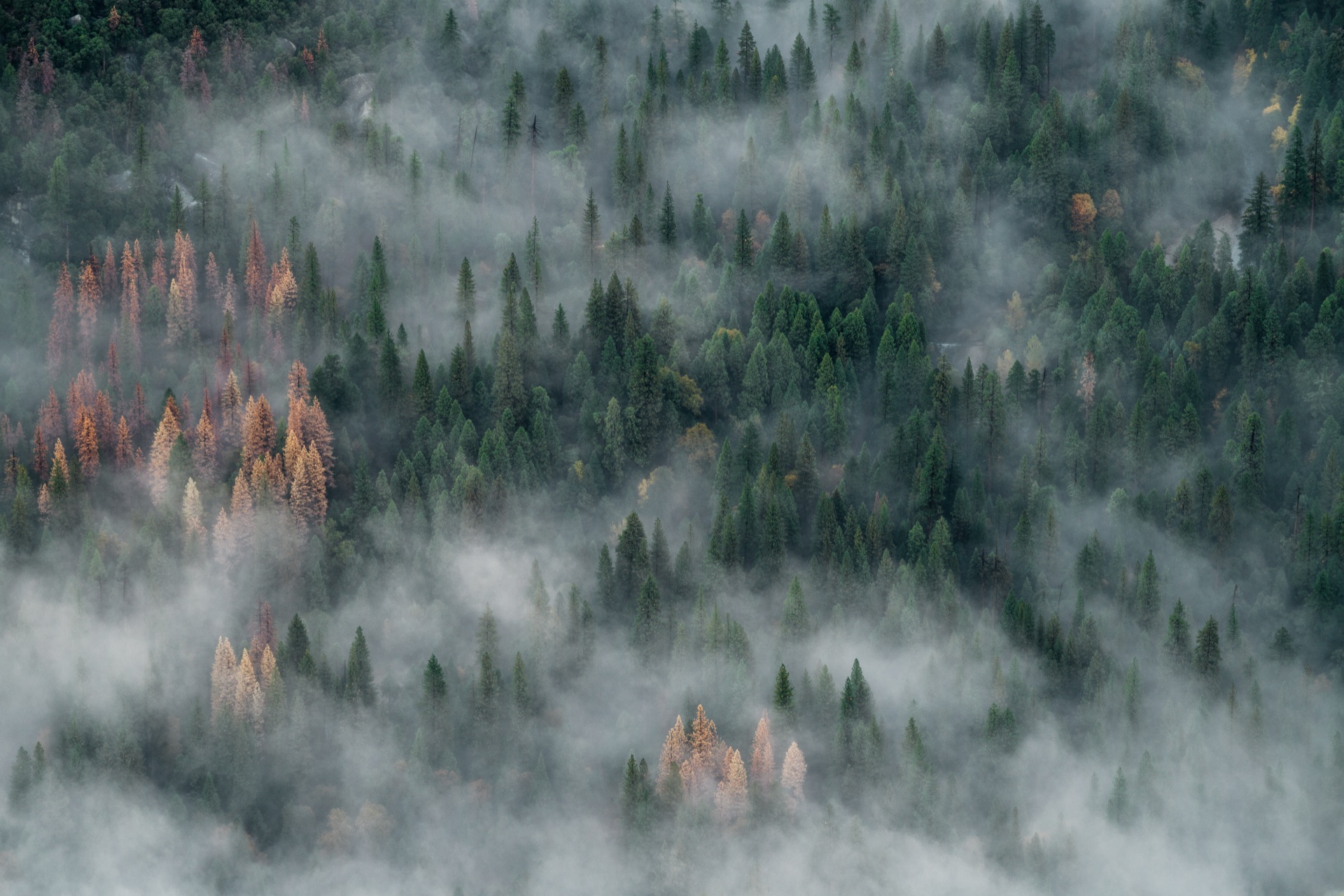
Valley fog traps cold air below. Inversions lasting weeks, the sun a rumor.

風物詩 · Fūbutsushi
A valley floor socked in beneath a perfect blue sky — the inversion holding cold air still for days on end.
物の哀れ · Mono no Aware
Above the gray lid, the mountains are burning with light. You cannot reach them from here.
What the season brings?
Mid-January brings persistent temperature inversions to Pacific Northwest valleys, trapping cold air beneath warmer layers and creating dense, stubborn fog that can last for weeks. The Willamette Valley, Puget Sound lowlands, and other inland basins experience these conditions most severely, with fog sometimes persisting continuously for 10-14 days. During inversions, valley temperatures may remain in the 30s-40s while nearby mountain locations bask in sunshine and temperatures 20-30 degrees warmer. This phenomenon creates eerie landscapes where the sun becomes a pale disk behind thick gray mist, and frost persists on vegetation throughout the day, coating everything in crystalline white.
Convergence chain
Triggered by
Cold air pooling in valley floors after clear winter nights; radiative cooling of the valley surface while warmer air remains aloft; a temperature inversion trapping moisture below as fog
Enables
Fog drip delivers moisture equivalent to 1-2 inches of rain per week to moss and lichen communities that cannot absorb it any other way; frost suppression in fog zones protects early buds; aerial predators grounded by fog concentrate activity to fog-free hillsides; coho still holding in fog-obscured rivers gain cover from eagles
The cascade
Clear winter night radiates heat from valley floor → temperature inversion forms → moisture condenses into dense fog → fog drip runs down conifer needles → Isothecium and Selaginella mosses absorb fog water through the winter drought → when fog lifts, every bird in the valley floods to fog-free hillsides where foraging is suddenly possible → salmon below are briefly exposed → fog reforms by afternoon
Foods to Mark the Season
Mid-January features continued abundance of storage crops—root vegetables (beets, carrots, parsnips, turnips), hardy greens (kale, chard), and alliums (garlic, leeks, onions). Winter citrus arrives from California including clementines, tangerines, and grapefruit, brightening gray days with color and vitamin C.
Things to Do
Escape valley fog by heading to mountain elevations—inversions create magical skiing and hiking conditions with brilliant sunshine above the clouds while valleys remain socked in. Set out early for cloud inversion hikes, climbing through fog to emerge in sunshine 20-30 degrees warmer, or ski above the clouds at Pacific Northwest resorts.
Frequently Asked Questions
Visions of the Season
Read more
Each microseason is approximately 5 days, marking the subtle changes in nature throughout the year.