Trillium Carpets
Trillium Carpets
18/72: Mar 26 to 30
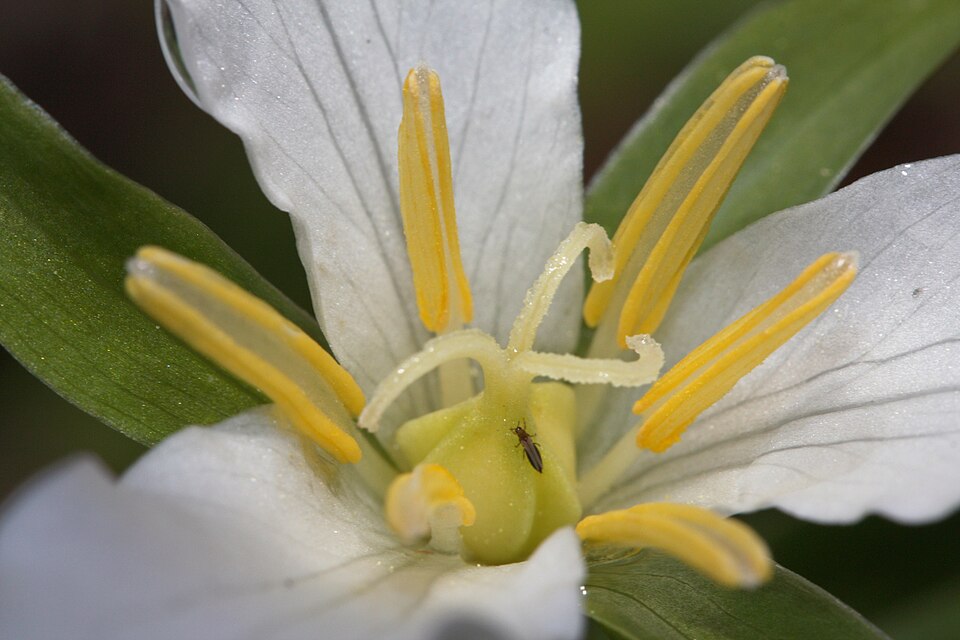
Trillium carpets the forest floor. White three-petaled stars beneath the cedars.

風物詩 · Fūbutsushi
Western trillium in peak bloom beneath old-growth cedar — white three-petaled stars carpeting the forest floor in a colony decades in the making.
物の哀れ · Mono no Aware
Each plant took a decade to reach its first flower. Pick it and the plant may not recover for years. This beauty is precisely that slow and that fragile.
What the season brings?
Late March through early April brings the peak blooming of western trillium (Trillium ovatum) across Pacific Northwest forests, creating carpets of elegant three-petaled white flowers beneath Douglas-fir, western redcedar, and bigleaf maple canopies. These long-lived perennials can take 7-10 years to flower from seed and may live for decades in undisturbed forests. Each flower has three white petals that gradually turn pink as they age, three green sepals, and three leaves in a distinctive whorl. Trillium flowers are pollinated primarily by native bees and beetles, and their seeds are dispersed by ants attracted to nutrient-rich structures called elaiosomes. Look for these woodland treasures in moist, shaded forests from British Columbia to northern California, where they often grow in large colonies. Indigenous peoples used trillium medicinally, though modern foragers should never harvest these slow-growing natives.
Convergence chain
Triggered by
Forest floor warms to 8°C while the canopy is still open before leaf-out; trillium seeds require 2-3 months of cold stratification completed over winter before responding to this warmth — the plant's bloom timing is locked to the narrow window of warmth plus light before the canopy closes
Enables
Trillium ovatum is pollinated by native bees and flies; seeds develop through summer and are dispersed exclusively by ants via the fatty elaiosome attached to each seed — the only dispersal mechanism, making trillium range expansion extremely slow (meters per decade); trillium density is a direct indicator of old-growth forest continuity and undisturbed soil
The cascade
Forest floor warms to 8°C before canopy leaf-out → trillium unfurls in the light gap window → Halictus and Andrena bees pollinate the flowers → seed capsule develops through summer → seeds ripen by August with fatty elaiosome attached → ants carry seeds to nest entrances → seeds dropped near nests germinate next spring → new plants appear 5-7 years later → the trillium colony maps decades of undisturbed forest history
Foods to Mark the Season
Camas meadows bloom across the Willamette Valley and Puget Trough, marking the traditional harvest window for this most important Indigenous starchy food of the Pacific Northwest interior. Fiddleheads peak in lowland western Oregon and Washington, morels expand into warming riparian corridors, and first asparagus from Skagit Valley and Willamette Valley farms arrives at markets.
Events This Season
Vancouver, BC, late March through mid-April. A three-week festival celebrating ornamental cherry bloom across Vancouver parks and streets — Blossoms After Dark walks, the Sakura Days Japan Fair at VanDusen Botanical Garden, and a car-free Blossom Block Party. The festival opens as trillium begins carpeting Pacific Spirit Regional Park nearby.
events / british-columbia / vancouver-cherry-blossom-festival →Portland, OR, early April. The Friends of Tryon Creek host Portland's beloved annual trillium celebration — guided walks through western trillium in bloom, nature crafts, and family events in one of the city's old-growth forest corridors.
events / oregon / trillium-festival-tryon-creek →
This Season’s Podcast
The Wildflower That Lives Seventy Years
Western trillium takes a decade to bloom and can outlive most of us — a slow, patient life unfolding beneath the cedars of the Pacific Northwest forest.
Frequently Asked Questions
Visions of the Season
Read more
Each microseason is approximately 5 days, marking the subtle changes in nature throughout the year.