Sun Barely Sets
Sun Barely Sets
35/72: Jun 21 to 25
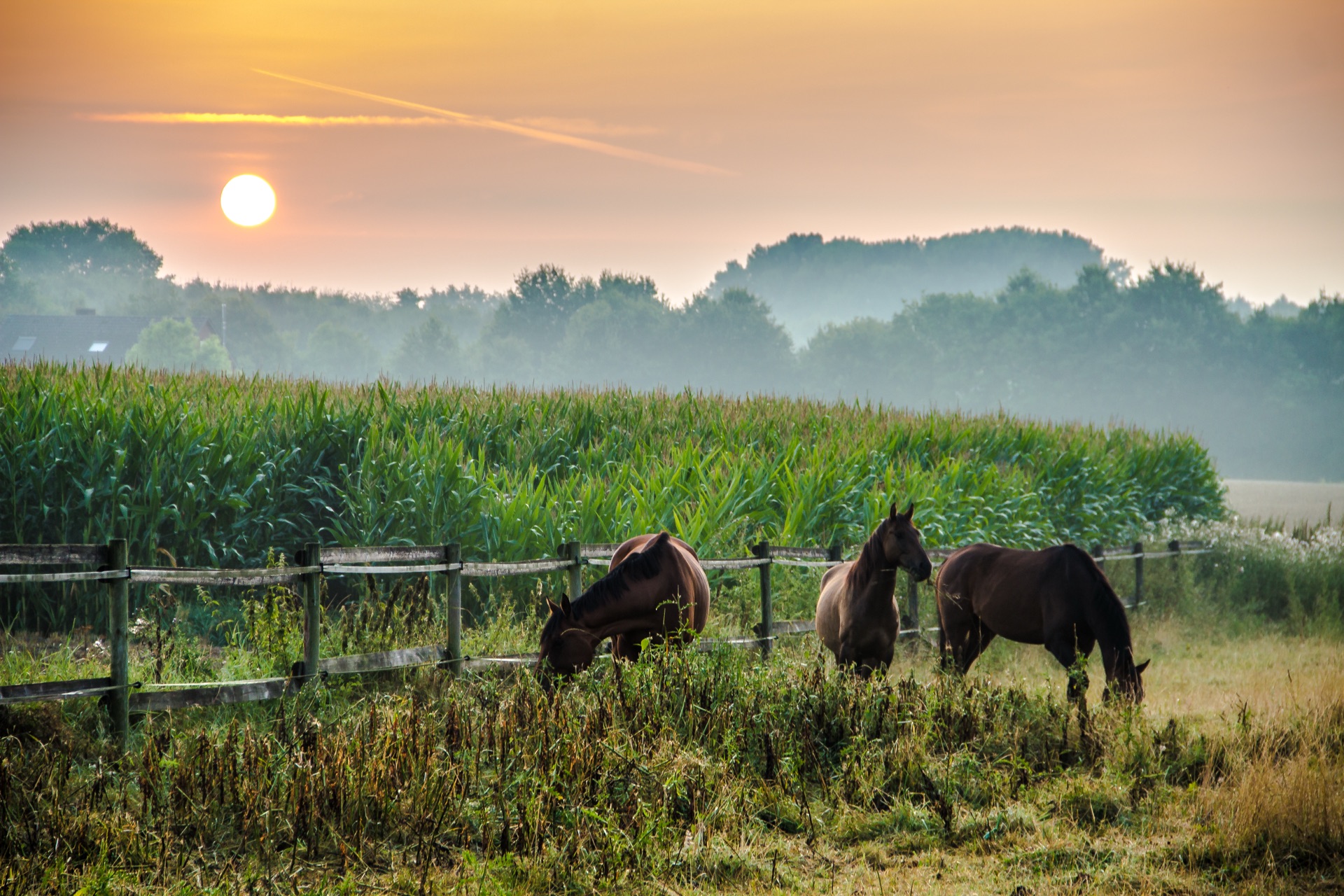
The sun barely sets before rising. Sixteen hours of light, the year's bright apex.

風物詩 · Fūbutsushi
The summer solstice — the sun setting after nine at night, the sky still pale at ten, the year's maximum light all held in this one long day.
物の哀れ · Mono no Aware
Tomorrow the days begin to shorten. The longest day is also the first day of diminishment — from here the light retreats, minute by minute, for six months.
What the season brings?
The summer solstice (around June 20-21) brings the longest day of the year to the Pacific Northwest, with approximately 16 hours of daylight in Seattle and even longer in northern locations. At this latitude (45-49°N), the sun sets after 9 PM and rises before 6 AM, creating extended twilight periods that make evenings feel nearly endless. This astronomical event marks the sun's highest point in the sky and the beginning of summer, though the Pacific Northwest's coolest weather patterns and persistent cloud cover often delay true summer warmth until July. The solstice has been celebrated by indigenous peoples throughout the region for millennia and triggers important ecological rhythms including plant flowering times, bird nesting cycles, and animal breeding seasons. Following the solstice, days shorten by 1-2 minutes daily, beginning the gradual return toward winter's darkness.
Convergence chain
Triggered by
Earth's axial tilt at maximum — the June solstice produces nearly 16 hours of daylight at 48°N latitude; extended photoperiod drives maximum plant photosynthesis and peak breeding intensity across all bird species, while simultaneously beginning the slow turn back toward darkness
Enables
Douglas fir at peak carbon uptake allocates maximum carbon to mycorrhizal partners; songbird breeding at maximum intensity with multiple broods; intertidal organisms time reproductive releases to the lowest summer tides; Pacific chorus frogs complete metamorphosis; nocturnal marine life concentrated into the briefest dark periods of the year
The cascade
Maximum photoperiod drives peak Douglas fir photosynthesis → maximum carbon allocated to mycorrhizal network → chanterelle mycelium at peak underground vegetative growth → songbirds in multiple broods push insect populations to their limits → juvenile birds fledging en masse become abundant prey for sharp-shinned hawks beginning August migration → the long days also drive peak grass growth in subalpine meadows that elk have been waiting for since snowmelt
Foods to Mark the Season
Blueberry U-pick farms open in Whatcom County (Washington's largest blueberry-producing region) and the Willamette Valley at the solstice—Duke and Earliblue are the first varieties to ripen. Wild huckleberries at the lowest Cascade elevations may begin ripening. The first boysenberries and marionberries appear at Willamette Valley farms, heralding summer berry season.
Events This Season
San Juan Island & Salish Sea, June (all month). Southern Resident orcas — three family groups totaling roughly 75 individuals — are most consistently present in Salish Sea waters in June, following Chinook runs through the archipelago. Lime Kiln Point State Park on the west side of San Juan Island is the world's best place to watch wild orcas from shore; Orca Action Month brings region-wide events and awareness of their critically endangered status.
events / washington / orca-action-month →Frequently Asked Questions
Visions of the Season
Read more
Each microseason is approximately 5 days, marking the subtle changes in nature throughout the year.