White Wings Settle
White Wings Settle
67/72: Dec 2 to 6
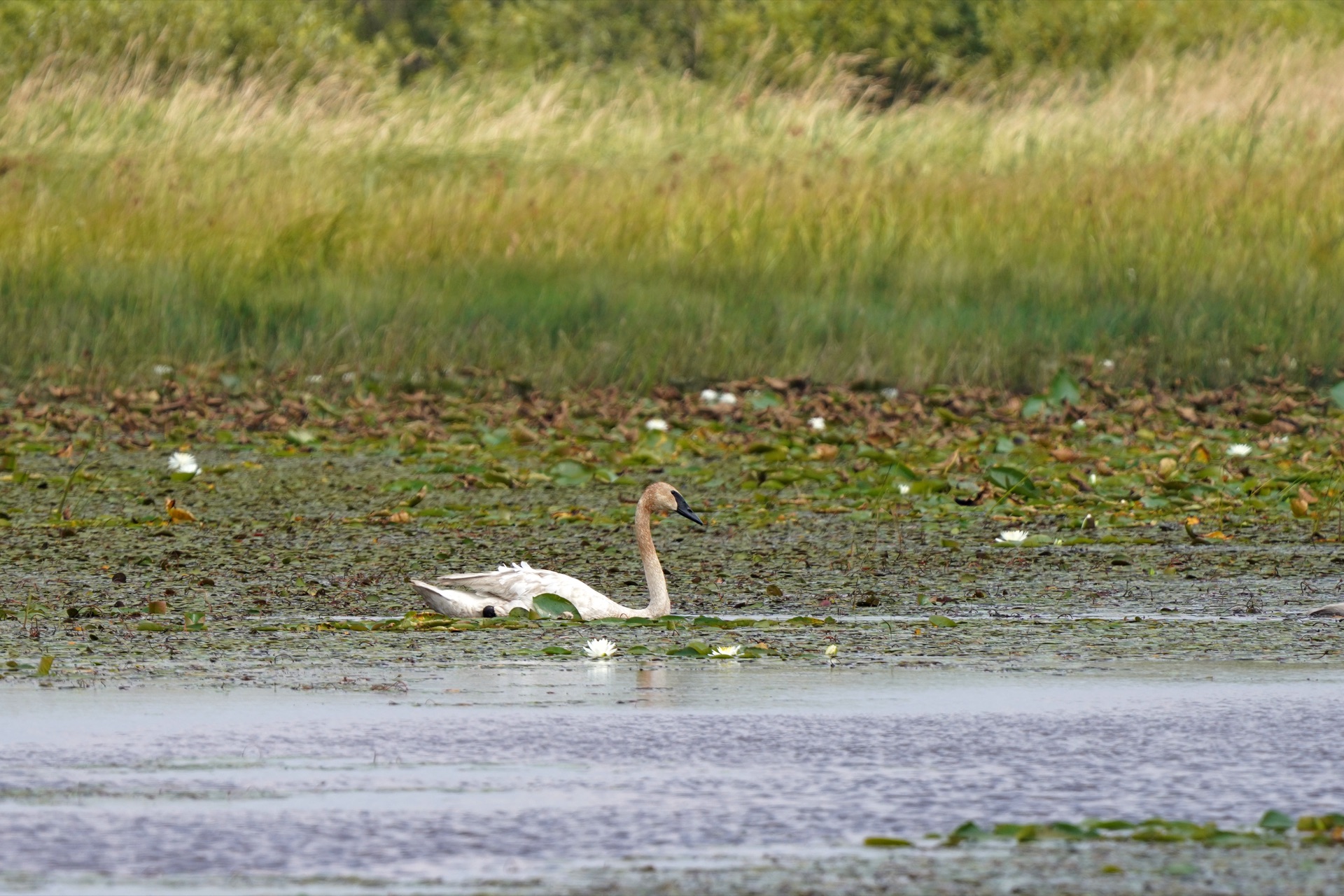
White wings settle on still waters—snow geese, trumpeter swans claim the valley. Forty thousand strong.

風物詩 · Fūbutsushi
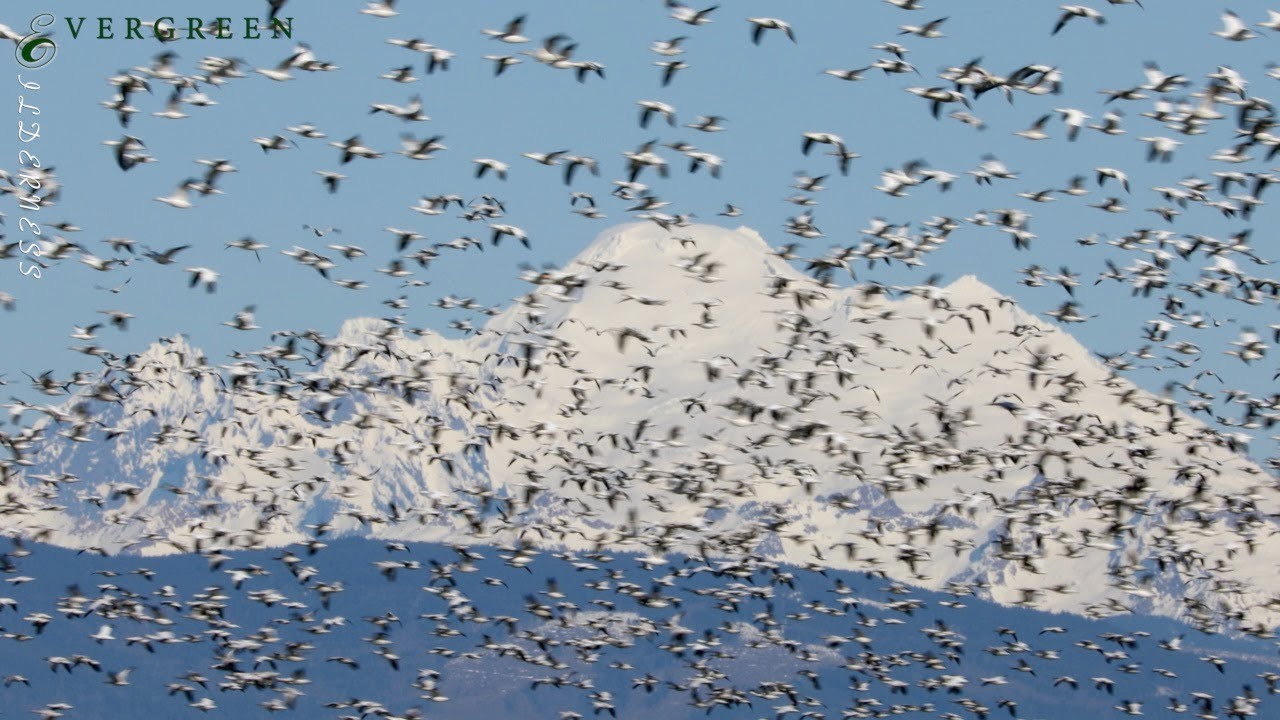
Snow geese by the tens of thousands settling onto Skagit Valley fields in December — white wings against gray sky, the thunderous sound of forty thousand birds landing at once.
物の哀れ · Mono no Aware
By March they will all be gone north again, back to Russia's Arctic and Canada's tundra. The fields will return to ordinary green silence, and the sky over Fir Island will be empty.
What the season brings?
Early December marks the peak arrival of one of the Pacific Northwest's most spectacular wildlife gatherings: tens of thousands of snow geese alongside thousands of trumpeter and tundra swans settling into Skagit Valley's agricultural fields and wetlands for winter. Snow geese arrive from their summer home on Russia's Wrangel Island after a 3,000-mile journey, creating massive white flocks that blanket Fir Island's fields from November through March. Trumpeter swans—North America's largest waterfowl with 6-8 foot wingspans—migrate from Alaska and northern Canada, joining their smaller cousins, tundra swans, in the productive farmlands. Unlike the migrating whales and eagles of late November (microseason 66) that pass through briefly, these waterfowl settle in for extended winter residency, with populations building throughout December and peaking in late December through February. The Fir Island Farm Reserve and Hayton Snow Goose Reserve provide protected viewing areas where tens of thousands of birds rest, feed, and fill the air with their distinctive calls. Early morning and evening bring the most dramatic spectacles as massive flocks take flight, their wings creating thunderous sounds against winter skies.
Convergence chain
Triggered by
Trumpeter and tundra swans depart Alaska and Yukon breeding grounds when Arctic freeze locks up feeding habitat; their arrival in the Skagit Valley and Nisqually flats coincides precisely with the late-season eagle concentration (Season 66: Eagles Gather), because both species are drawn to the same flooded agricultural fields
Enables
Swan flocks grazing waste grain disturb soil, exposing invertebrates for gulls and crows; swan presence indicates intact agricultural-ecological interface — they depend on post-harvest waste grain and flooded fields; their sentinel behavior and loud wingbeats alert other waterfowl to disturbance before it can be visually detected
The cascade
Arctic freeze drives trumpeter swans south → swans arrive in Skagit Valley in family groups → they graze flooded corn and potato fields alongside thousands of snow geese → feeding disturbance exposes tubers and grain → Dunlins and dowitchers follow swans to probe disturbed soil → eagles patrolling for salmon carcasses (Season 66) shift to patrolling the swan flocks → the concentration of large white birds visible for miles marks the Skagit's agricultural-ecological hybrid landscape
Foods to Mark the Season
Hardy winter roots and brassicas peak in sweetness—rutabagas, parsnips, and Brussels sprouts develop enhanced flavor after frost as starches convert to sugars, perfect for warming soups and roasted vegetable medleys.
Things to Do
Visit Fir Island Farm Reserve or Hayton Snow Goose Reserve in early morning or evening for spectacular views of tens of thousands of snow geese and swans. December marks peak arrival season, with massive flocks creating dramatic displays as they take flight against winter skies.
Frequently Asked Questions
Visions of the Season
Related Videos
Read more
Each microseason is approximately 5 days, marking the subtle changes in nature throughout the year.