Newts Journey
Newts Journey
12/72: Feb 24 to 28
Newts journey to breeding waters. Roughskin pilgrims crossing forest paths.

風物詩 · Fūbutsushi
A roughskin newt crossing a wet forest road on a February night — orange belly bright against the pavement, bound for the pond it has always known.
物の哀れ · Mono no Aware
They will make this crossing only a few dozen times in a lifetime. The road was not here when their ancestors first learned the way.
What the season brings?
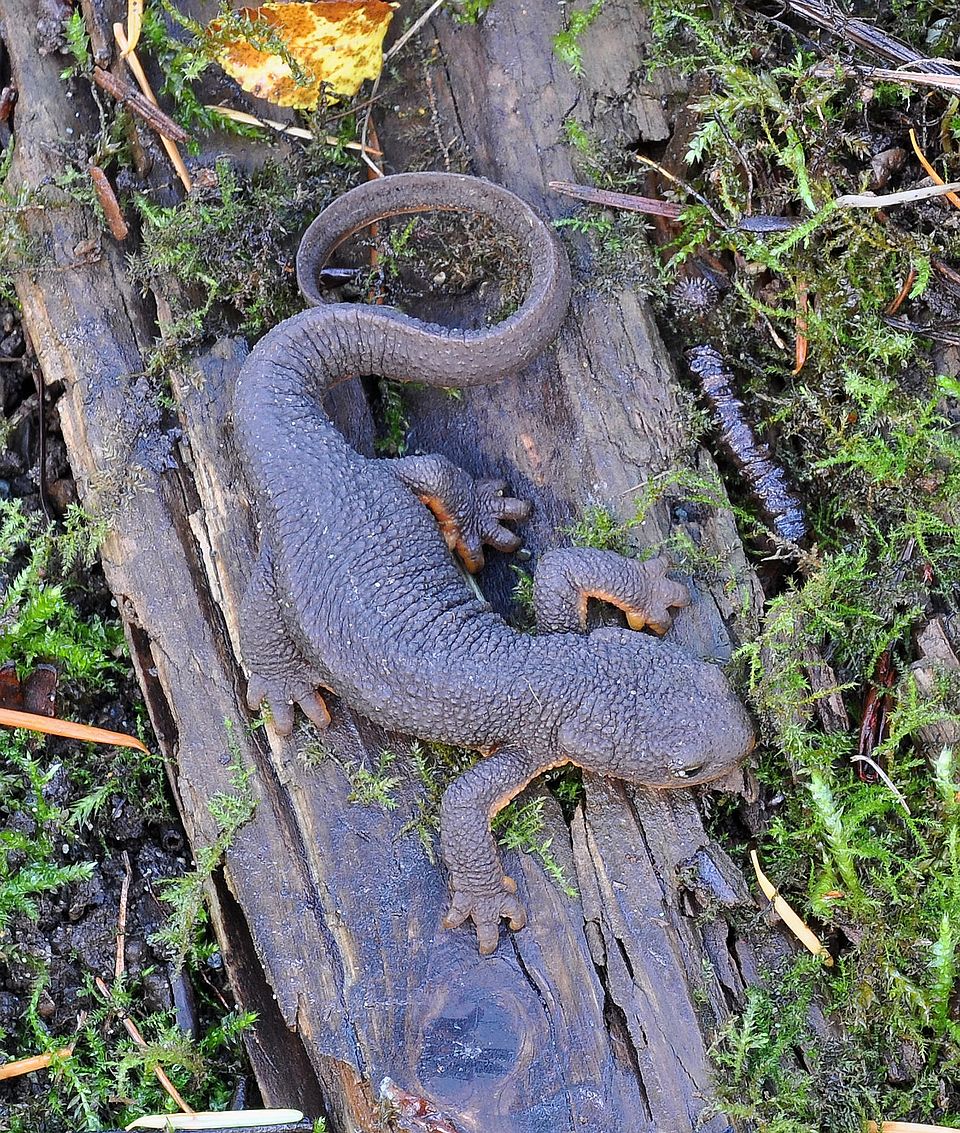
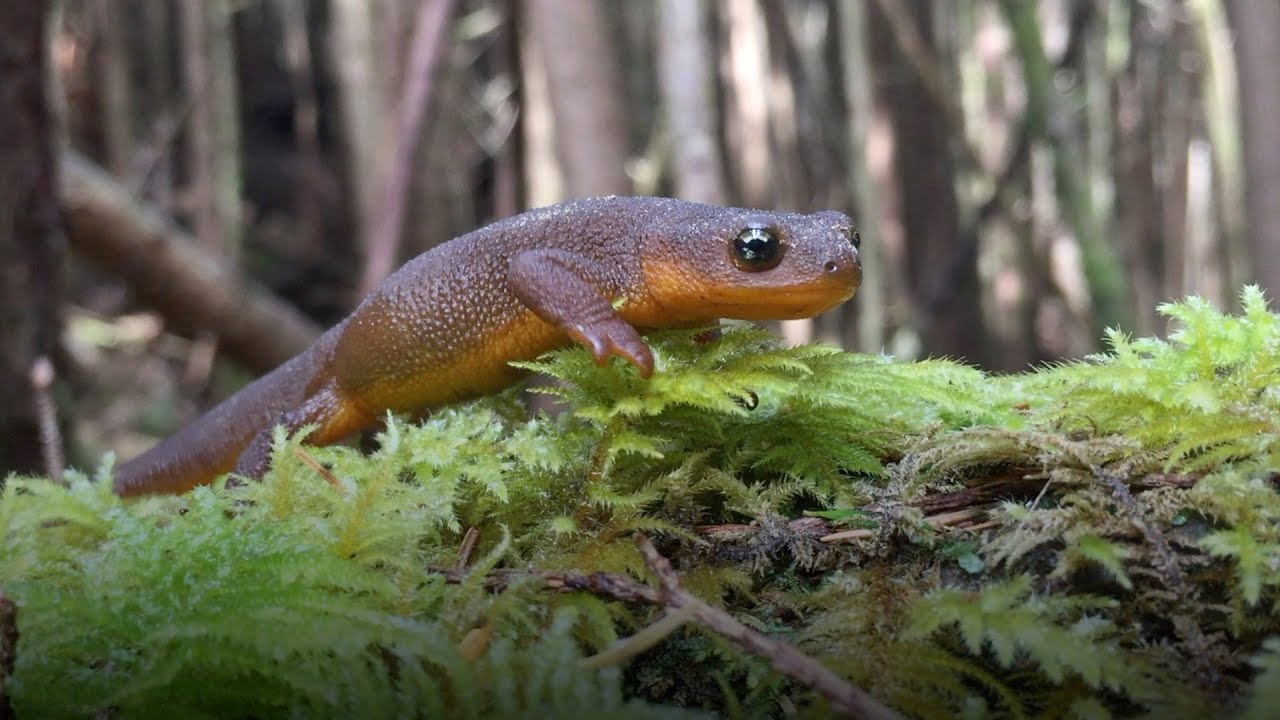
Late February through early March brings the annual migration of roughskin newts (Taricha granulosa) to breeding ponds and wetlands across the Pacific Northwest. These terrestrial salamanders emerge from their forest floor hideaways during the first warm, wet nights of late winter, sometimes traveling over a mile to reach ancestral breeding sites. Watch for these orange-bellied amphibians crossing roads, trails, and forest paths, especially after rain when temperatures exceed 45°F. Males develop smooth skin and a laterally compressed tail for swimming, while females retain their rough, granular skin texture. Roughskin newts are among North America's most toxic amphibians, producing tetrodotoxin (the same toxin found in pufferfish) as a defense against predators, making them fascinating but dangerous to handle.
Convergence chain
Triggered by
February rains triggering terrestrial migration instinct in rough-skinned newts; breeding aggregations require ponds with no fish (newts are highly toxic to fish) — their seasonal movement relies on intact wetland corridors
Enables
Newt aggregations at breeding ponds create high-density protein sources for garter snakes and great blue herons (both are resistant to tetrodotoxin); newt eggs hatch in spring, larvae grazing algae alongside tree frog tadpoles; adult newt migration across roads creates road mortality hotspots that reveal intact wetland corridor locations
The cascade
February rains begin → rough-skinned newts emerge from forest soil by the hundreds → they migrate to fishless ponds, crossing roads → garter snakes follow the migration routes → large aggregations form in shallow breeding ponds → females lay egg strings on submerged vegetation → larvae hatch in April alongside tree frog tadpoles → both graze algae, competing and co-existing → the same pond that hears tree frogs in February is now full of newt larvae by June
Foods to Mark the Season
WDFW typically approves a major razor clam dig series starting around February 26 on Washington ocean beaches (Long Beach, Twin Harbors, Copalis, Mocrocks)—a beloved early-spring coastal tradition. Spring Chinook numbers build in the lower Columbia, and nettles with miner's lettuce remain at peak quality in PNW lowlands before temperatures climb.
Events This Season
Comox Valley and Parksville, Vancouver Island, BC, late February–mid April. The spawn begins in the final days of February — herring aggregations thicken in the shallows, and bald eagles, California sea lions, and great blue herons mass along the shoreline before the water turns milky white. This is the first chance each year to witness one of the Salish Sea's most important ecological events.
events / british-columbia / pacific-herring-spawn →Frequently Asked Questions
Visions of the Season
Related Videos
Read more
Each microseason is approximately 5 days, marking the subtle changes in nature throughout the year.