Rhododendrons Flame
Rhododendrons Flame
26/72: May 5 to 9
Rhododendrons flame on mountain slopes. Washington's flower, pink-purple glory.

風物詩 · Fūbutsushi
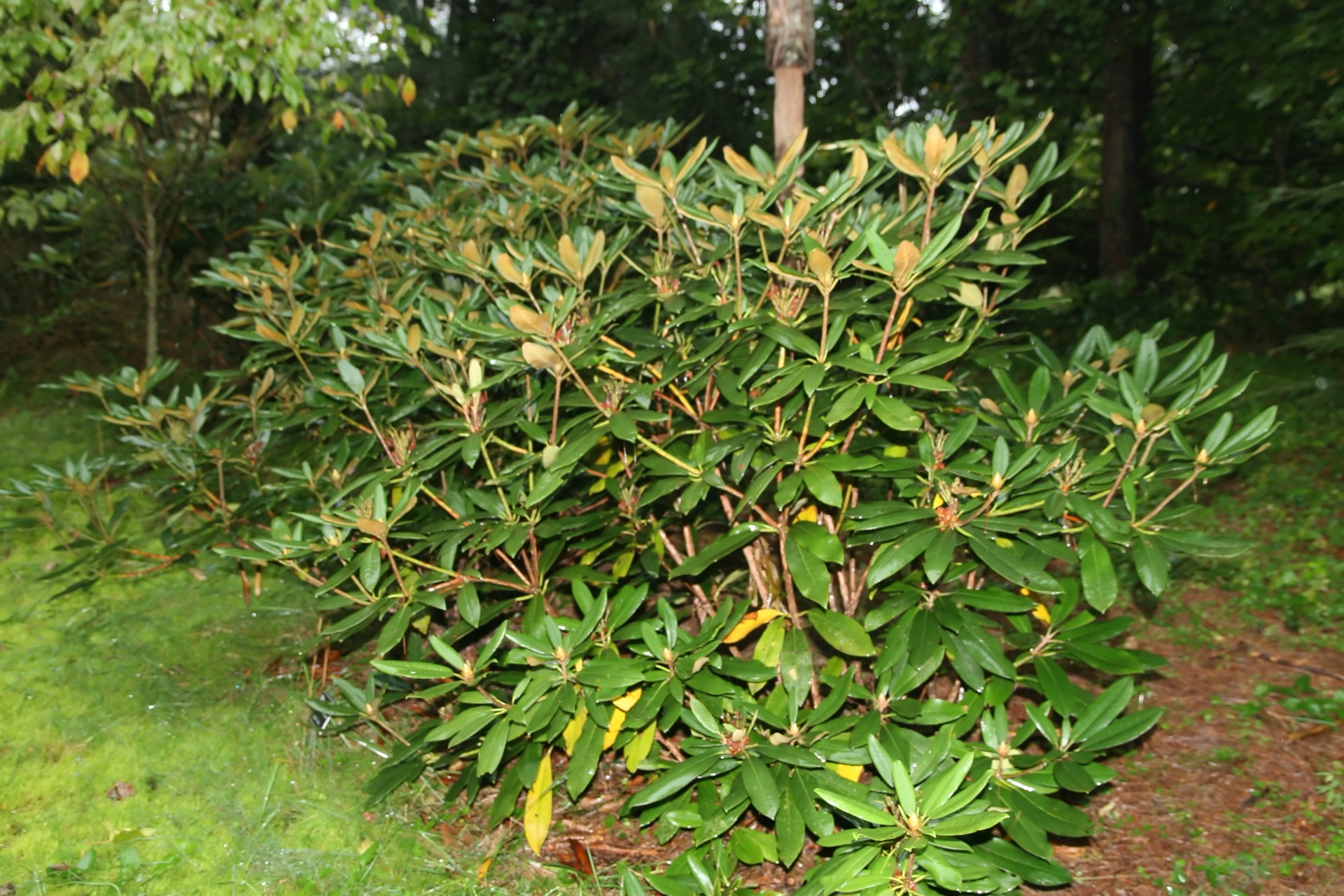
Pacific rhododendron in bloom on an Olympic Peninsula slope in May — shoulder-high trusses of pink-purple flowers massed beneath the hemlocks, the air sweet and dense.
物の哀れ · Mono no Aware
Each truss blooms for only a week or two. A large shrub holds hundreds of trusses open at once — a simultaneous brief abundance before the mountain turns green again.
What the season brings?
Early May brings the spectacular flowering of Pacific rhododendron (Rhododendron macrophyllum), Washington's official state flower, creating dramatic displays of pink-purple blooms on mountain slopes and in coastal forests. These evergreen shrubs can grow 8-25 feet tall and produce large clusters (trusses) of bell-shaped flowers that can contain 15-25 individual blooms. Pacific rhododendron thrives in the acidic soils beneath coniferous forests from British Columbia to northern California, often forming dense thickets in mountain areas. The flowers attract bumblebees and other native pollinators, while the thick evergreen leaves provide year-round shelter for birds and small mammals. Indigenous peoples used the tough, hard wood for implements and tools. Look for peak blooming in the Cascades and Olympics at elevations between 2,000-4,000 feet during May and June.
Convergence chain
Triggered by
Rhododendron macrophyllum blooms when soil temperature and day length align — typically May in lowlands, June at elevation; the bloom tracks upslope as spring advances, creating a multi-week wave of flower that extends the foraging season for pollinators that follow it uphill
Enables
Rhododendron flowers require long-tongued bumblebees capable of accessing nectar in the deep corolla — the bloom selectively sustains bumblebee colonies over other pollinators; the bloom's elevation gradient extends the bumblebee queen provisioning period by 4-6 weeks; dense rhododendron thickets provide nesting cover for blue grouse
The cascade
Lowland rhododendrons bloom in early May → bumblebee colonies follow the bloom wave upslope through June → colonies active at successively higher elevations maintain peak foraging through late June → blue grouse nest in dense rhododendron understory below the bloom line → grouse chicks emerge in June → the upslope bloom gradient extends colony growth by weeks, producing larger colonies than lowland-only foraging would allow
Foods to Mark the Season
BC commercial spot prawn season opens in early May, with live prawns sold dockside at False Creek in Vancouver and throughout coastal BC—a celebrated, fleeting coastal delicacy. Hood Canal recreational spot shrimp season (WDFW Marine Area 12) is typically scheduled for mid-May with a narrow open window. Spring Chinook on the Columbia and Willamette remains in peak season.
Events This Season
Invermere, BC. The festival week opens with the kick-off social and first guided excursions into the Columbia River Wetlands — May 5-9 falls mid-festival, with field trips exploring osprey nesting sites, tundra swan staging on valley lakes, and the cottonwood bottomlands where white pelicans and great blue herons are arriving.
festivals / british-columbia / wings-over-the-rockies →Frequently Asked Questions
Visions of the Season
Read more
Each microseason is approximately 5 days, marking the subtle changes in nature throughout the year.