Currant Ignites
Currant Ignites
11/72: Feb 19 to 23
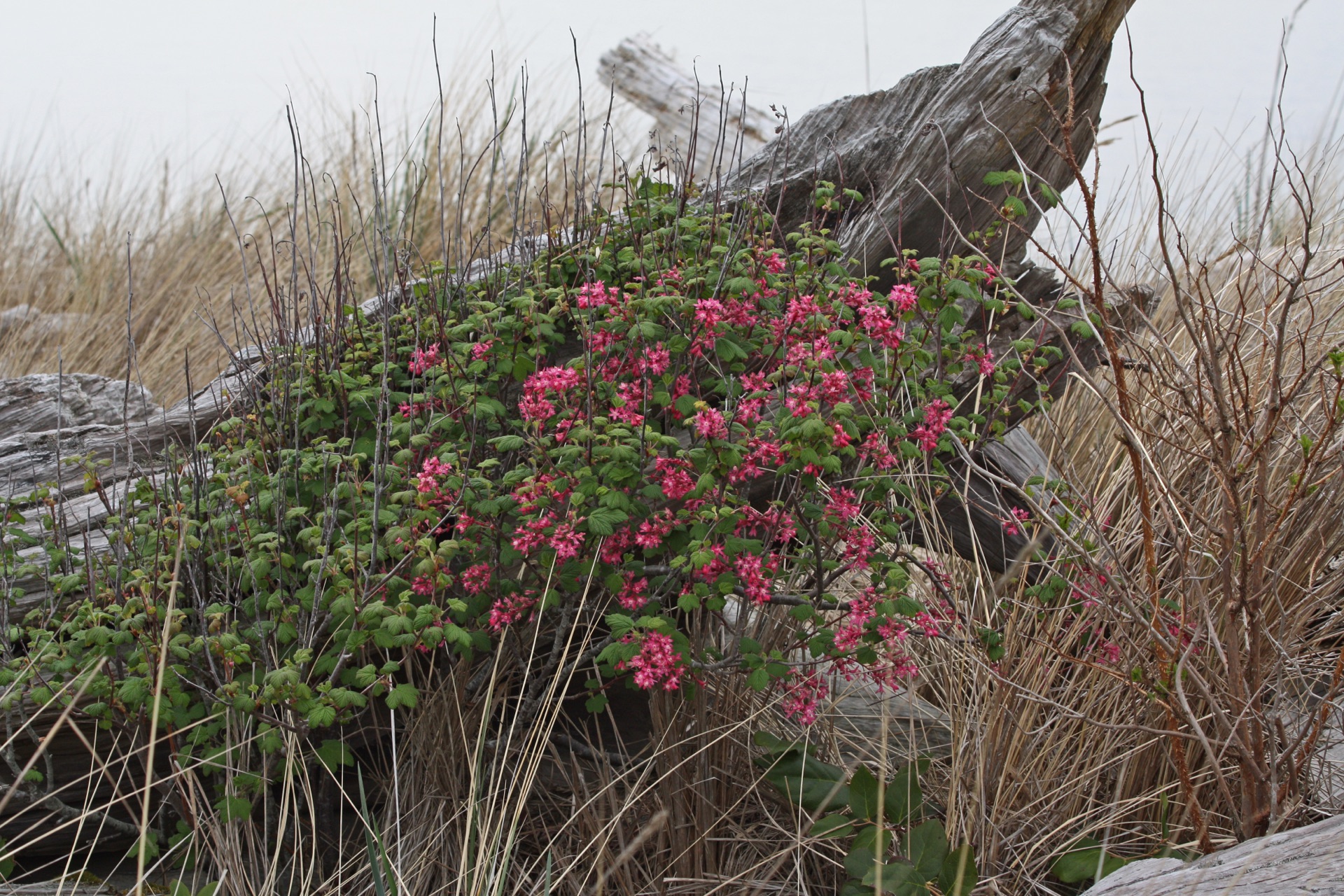
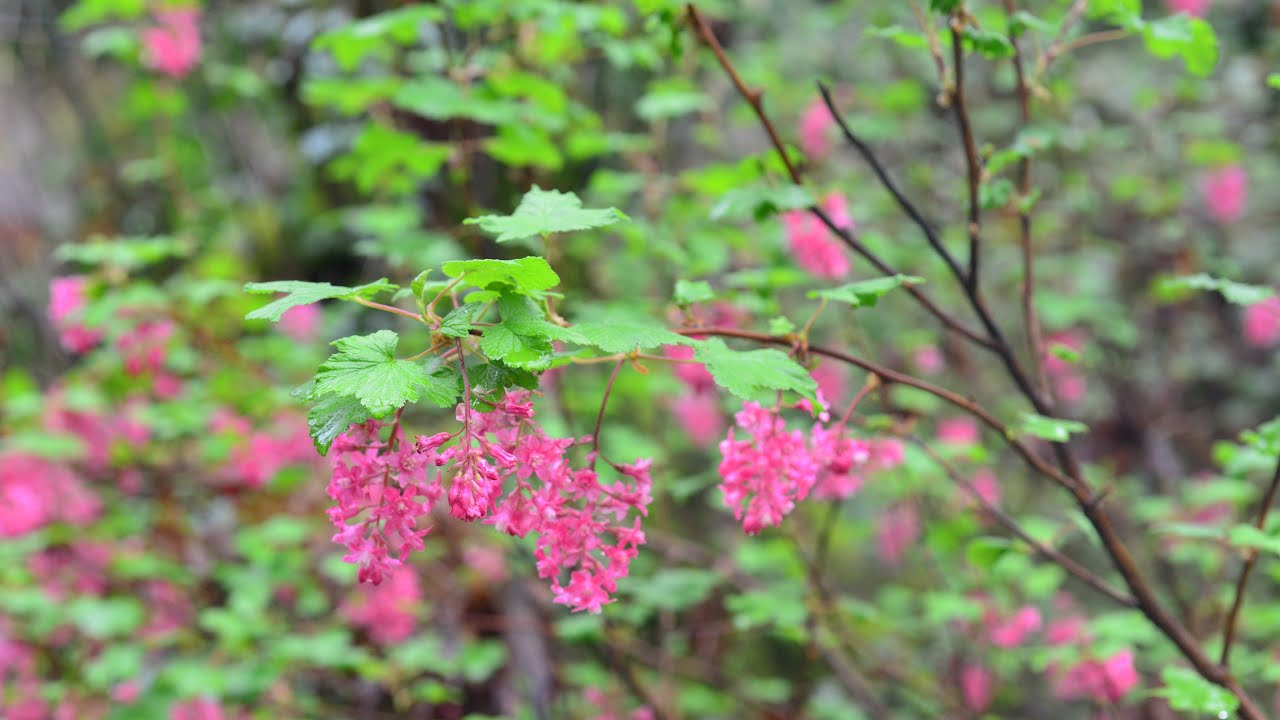
Red flowering currant ignites the understory. Magenta flames in the grey forest.

風物詩 · Fūbutsushi
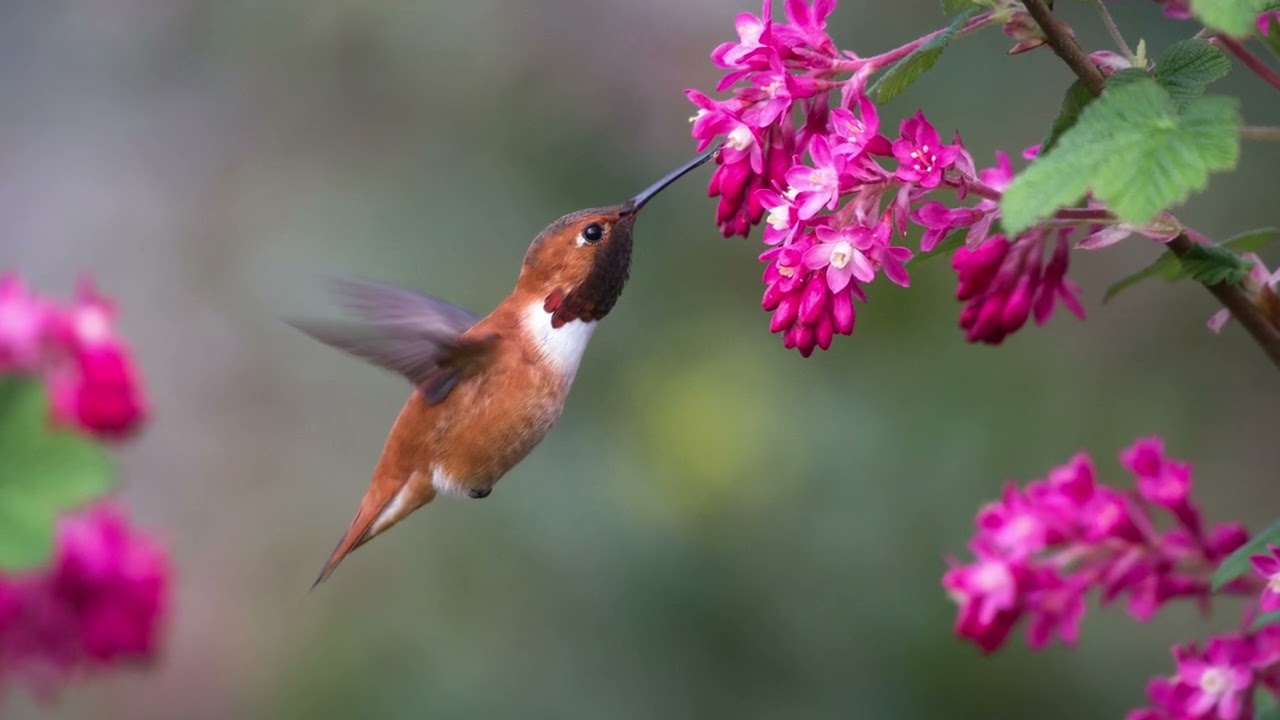
Red flowering currant in peak bloom — magenta cascades hanging from bare branches while the first rufous hummingbird feeds at the tip of each cluster.
物の哀れ · Mono no Aware
The flowers last barely two weeks, and the rufous hummingbirds they waited for will move on by April. A brief contract, kept and ended.
What the season brings?
Late February marks the peak flowering period for red flowering currant (Ribes sanguineum), transforming the Pacific Northwest understory with brilliant magenta-pink flower clusters. These native shrubs produce drooping racemes of tubular flowers that can be 2-4 inches long, creating spectacular displays visible from considerable distances in otherwise gray forests. Red flowering currant is one of the most important early-season nectar sources for rufous hummingbirds, which time their northward migration to coincide with this bloom. The flowers also attract early-emerging native bees, butterflies, and other pollinators desperate for nectar after the long winter. Look for these stunning shrubs in forest edges, open woodlands, and disturbed areas from British Columbia to northern California, where they often form large, showy colonies.
Convergence chain
Triggered by
Late February warming pulses raising daytime temperatures above 10°C; red flowering currant's internal clock — it is among the earliest shrubs to break dormancy, apparently triggered more by accumulated warmth than photoperiod
Enables
Season 14: Mason Bees Emerge — currant bloom is the critical early pollen source that mason bee females need to stock nest cells; rufous hummingbirds arrive from Mexico precisely when currant flowers open, a migration timing driven by flower phenology; early bumblebee queens emerging from overwintering sites depend on currant as their first nectar
The cascade
Currant ignites in late February → rufous hummingbirds arrive from Mexico within days of first bloom → bumblebee queens emerge from soil and probe the same flowers → mason bees follow one week later → all three pollinators compete for the same early pollen → seed set determines berry crop for cedar waxwings and varied thrushes in July
Foods to Mark the Season
The vanguard of spring Chinook salmon—the famed Columbia River "springers"—begin entering the lower Columbia River system, the first salmon run of the new year. Stinging nettles are now widely available at lower elevations throughout the region, best harvested young before the plants set seed and develop a coarser texture.
Frequently Asked Questions
Visions of the Season
Related Videos
Read more
Each microseason is approximately 5 days, marking the subtle changes in nature throughout the year.