Rains Return
Rains Return
58/72: Oct 18 to 22
The rains return in earnest. The wet season claims its throne.

風物詩 · Fūbutsushi
The first real October rain falling after months of drought — the smell of wet earth returning, the rivers beginning to rise, the long dry silence broken.
物の哀れ · Mono no Aware
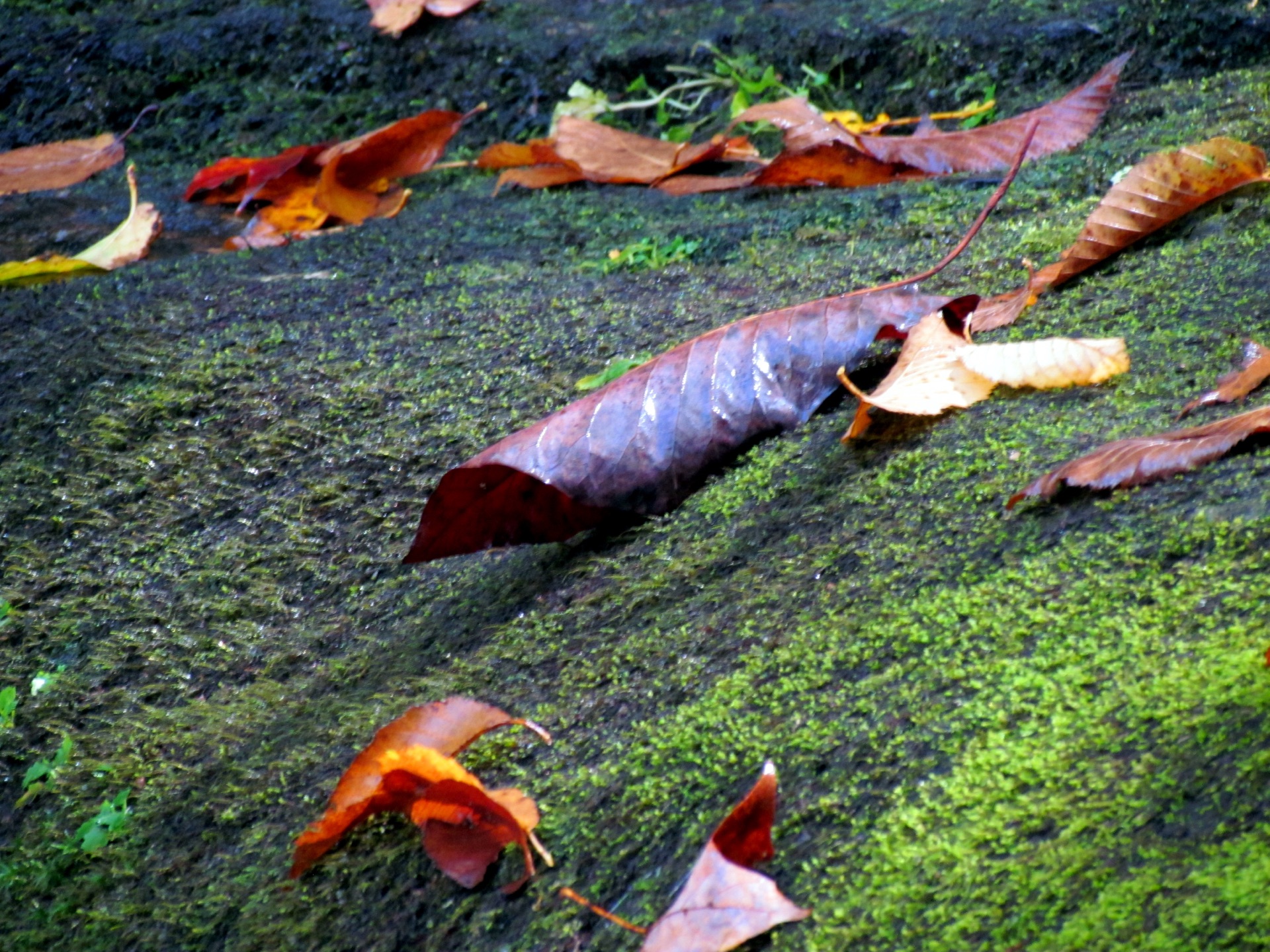
Summer is over. The dry months are finished. The moss is already rehydrating, the streams already rising. What felt permanent has ended, as it always does.
What the season brings?
Mid to late October marks the definitive return of the Pacific Northwest's wet season, with frequent storm systems bringing steady, soaking rains that reassert autumn's dominance over summer's dry months. October typically receives 3-6 inches of precipitation in lowland areas, a dramatic increase from summer's near-zero rainfall. Storm systems arrive with increasing frequency and intensity, bringing characteristic Pacific Northwest weather: gray skies, persistent drizzle punctuated by heavier downpours, and temperatures settling into the 45-55°F range. The rains trigger critical ecological processes including mushroom fruiting, salmon spawning runs, and the final phase of fall color as deciduous trees shed their leaves. Rivers and streams swell with runoff, waterfalls reach their full glory, and the landscape transforms from summer's browns and golds to winter's deep greens as mosses, ferns, and lichens rehydrate and flourish.
Convergence chain
Triggered by
The Pacific High pressure system retreats southward as the north Pacific jet stream descends, allowing storm systems to reach the coast for the first time since June; the first fall rains are often intense after months of drought — the parched soil initially sheds water before absorbing it
Enables
Soil rehydration triggers fungal network reactivation across all forest types; rivers rise, enabling coho and chum salmon passage; slug and snail populations reactivate; American woodcock and Wilson's snipe probe newly softened soil; late chanterelles and hedgehog mushrooms push through rehydrating duff
The cascade
First significant rain after summer drought → 4-6 inches may fall in a week → rivers rise dramatically → coho and chum salmon staging at river mouths (Season 49: Coho Gather) enter immediately → fungal networks reactivate overnight → black trumpets and hedgehogs push through rehydrating duff → woodcocks probe wet forest soil for earthworms → the landscape that rejected water for months now floods on the second storm → the flood pulse pushes coho further upstream
Foods to Mark the Season
Oregon hazelnuts are at their freshest, available direct from growers at Portland-area farmers markets. Cauliflower mushrooms (*Sparassis radicata*)—spectacular, unmistakable yellow-white masses at the bases of old-growth Douglas firs—appear after fall rains and are a prized fall harvest. Winter squash (delicata, acorn, kabocha) from Willamette Valley and Skagit Valley farms is at its seasonal best. Chum salmon continues in coastal rivers.
Frequently Asked Questions
Visions of the Season
Related Videos

Read more
Each microseason is approximately 5 days, marking the subtle changes in nature throughout the year.