Dogwood Conjures
Dogwood Conjures
23/72: Apr 20 to 24
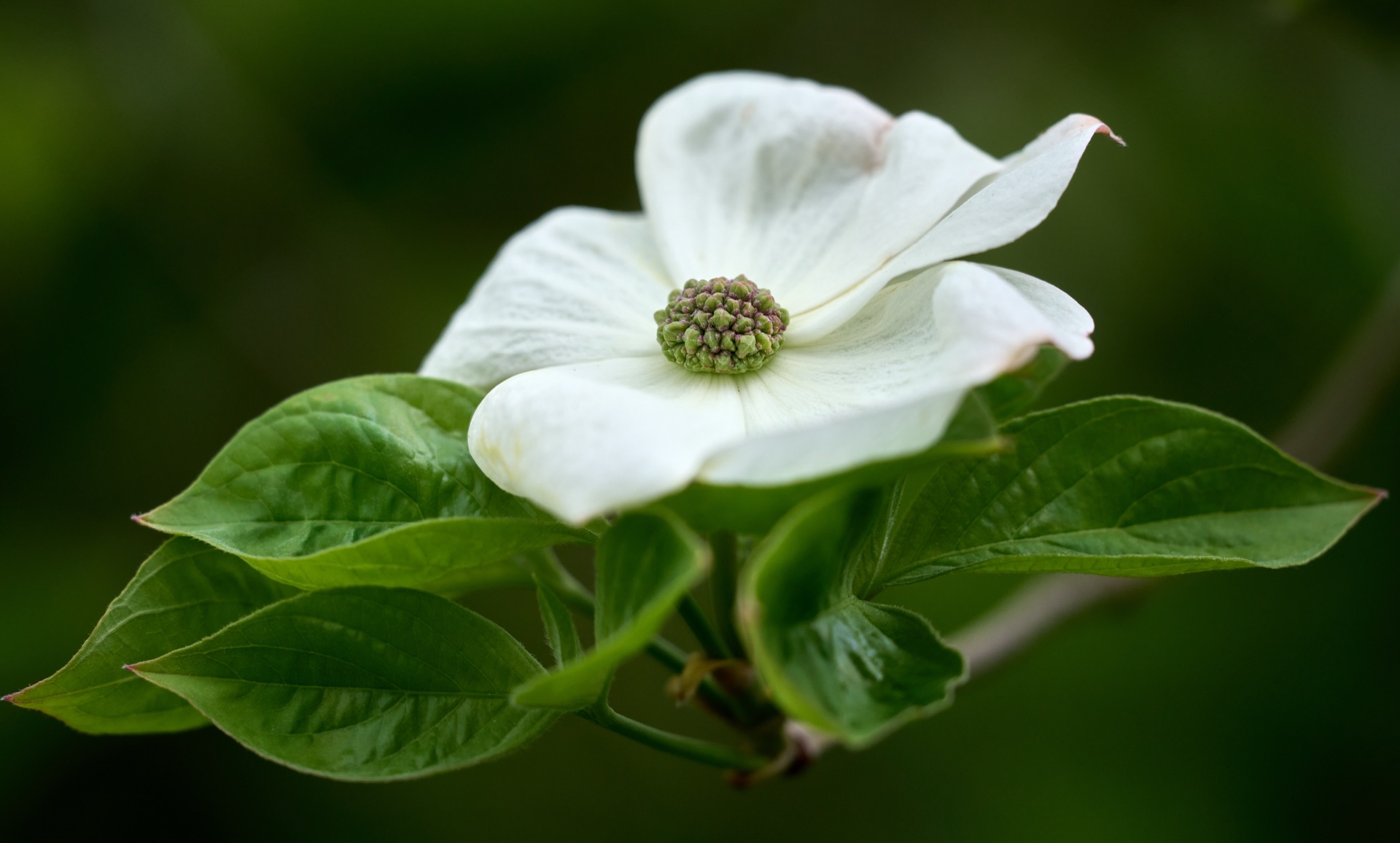
Dogwood conjures clouds in the canopy. White bracts floating among the firs.

風物詩 · Fūbutsushi
Pacific dogwood in full bloom in late April — ghostly white bracts floating in the forest understory like something dissolving into the fir canopy above.
物の哀れ · Mono no Aware
Anthracnose has taken so many of these trees. The ones still blooming are fewer each decade, the canopy gaps where they stood filled now with other things.
What the season brings?
Late April brings the peak flowering of Pacific dogwood (Cornus nuttallii), creating spectacular displays of white "flowers" (actually modified leaves called bracts) that appear to float among Douglas-fir and western hemlock canopies. Each flower cluster consists of a tight button of small greenish-yellow true flowers surrounded by 4-6 large white bracts that can span 3-5 inches across. Pacific dogwood is British Columbia's provincial flower and one of the Pacific Northwest's most beloved native trees, growing 15-40 feet tall in moist forest understories from British Columbia to California. The white bracts gradually turn pink as they age, and by fall, the tree produces clusters of bright red berries that attract birds. Unfortunately, Pacific dogwood has been severely impacted by dogwood anthracnose, a fungal disease that has killed many trees throughout the region since the 1970s.
Convergence chain
Triggered by
Cornus nuttallii initiates bloom when sufficient warmth and photoperiod align; the large white "petals" are actually bracts — modified leaves surrounding the true small central flowers — whose whiteness attracts pollinators even in the dim light of a forest interior
Enables
Mid-canopy pollen source accessible to bees too large to enter tubular flowers; red berry clusters in September consumed by band-tailed pigeons and thrushes; the spectacular bloom is a distance-visible phenological marker, signaling the state of spring advancement in forest interiors from roads and trails
The cascade
Dogwood bracts open in forest mid-canopy → native bees access the central true flowers → cross-pollination produces red berry clusters → September ripening coincides with band-tailed pigeon southbound migration → flocks of 50-200 pigeons strip berry clusters within a day → seeds deposited in forest gaps → dogwood establishes preferentially in canopy gaps created by windthrow — connecting the January storm season to the April bloom season years later
Foods to Mark the Season
Salmonberries ripen across the Olympic Peninsula coast and western lowlands—among the first native berries of the Pacific Northwest, ripening amber to pink-red in April and May. Spring peas and snap peas begin appearing at Puget Sound and Willamette Valley farmers markets. Burn-site morel season in the eastern Cascades continues.
Events This Season
Seattle, WA, April 22. The Arboretum Foundation and UW Botanic Gardens host an annual Earth Day volunteer restoration day among mature Pacific dogwood trees in full bloom. Participants remove invasives beneath a spring canopy that can stop anyone mid-step.
events / washington / earth-day-washington-park-arboretum →Vancouver, BC, through mid-April. The festival's closing days overlap with Pacific dogwood coming into bloom across Vancouver's parks and trails — particularly in Pacific Spirit Regional Park, where dogwood and ornamental cherry bloom side by side.
events / british-columbia / vancouver-cherry-blossom-festival →
This Season’s Podcast
Dogwood Trees Are Gaslighting You
Those luminous white "flowers" floating through the spring canopy aren't flowers at all — Pacific dogwood's bracts have been fooling admirers for centuries. Explore the botany behind the deception and what the tree is actually up to.
Frequently Asked Questions
Visions of the Season
Read more
Each microseason is approximately 5 days, marking the subtle changes in nature throughout the year.