Mosquito Song Fades
Mosquito Song Fades
48/72: Aug 28 to Sep 1
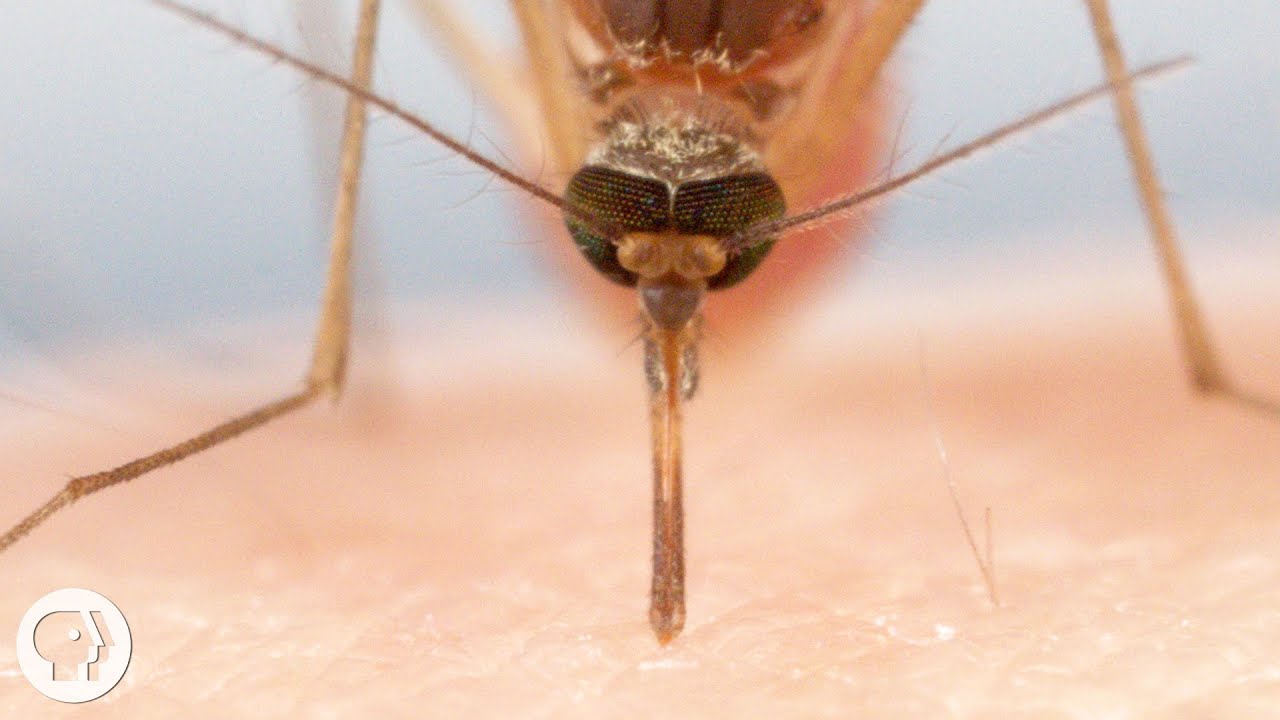
Mosquito song diminishes. Peak passed, relief approaches.

風物詩 · Fūbutsushi
Late August in the Cascades with the mosquitoes finally gone — the meadows open and still, the mountains finally fully accessible, summer giving its best weeks at the last.
物の哀れ · Mono no Aware
You notice the absence before you can name it. The hike is easier, the camp quieter, and something small that was constant all summer has simply stopped.
What the season brings?
Late August through early September marks the decline of mosquito populations in the Pacific Northwest, bringing relief to hikers, campers, and outdoor enthusiasts. Pacific Northwest mosquitoes (primarily Aedes and Culex species) peak in June and July when temperatures warm and standing water from snowmelt provides abundant breeding habitat. By late August, cooler nights, drying of temporary wetlands, and the completion of most species' breeding cycles dramatically reduce mosquito abundance. Mountain areas see the most pronounced decline as alpine pools dry and temperatures drop, while lowland populations persist longer but at much lower densities. The relief from mosquitoes makes late August through September prime time for mountain hiking and camping, with comfortable temperatures, reduced bugs, and spectacular early fall colors creating ideal outdoor conditions across the Pacific Northwest.
Convergence chain
Triggered by
Seasonal ponds and ephemeral wetlands that bred June and July mosquito cohorts have fully dried or dropped below larval survival depth by late August; new cohorts cannot complete development, and adult populations crash without the reproductive infrastructure
Enables
Reduction in mosquito abundance allows deer and elk to spend more time in open habitats without constant blood loss and harassment; dragonflies that have been feeding on mosquitoes shift to alternative prey; reduction in vector populations reduces West Nile transmission risk in the eastern PNW
The cascade
Seasonal wetlands dry → mosquito larval habitat collapses → adult populations crash by 90% in 2-3 weeks → dragonfly adults lose primary prey and shift hunting to higher elevations → elk and deer increase open-meadow foraging freed from insect harassment → the removal of blood loss and harassment allows ungulates to put on weight more efficiently in final weeks before rut and winter
Foods to Mark the Season
Chanterelle season moves into its main phase—western Washington and Oregon's chanterelle crop appears most reliably from late August through November, peaking in October after fall rains. Fall Chinook salmon fishing is strong in the Columbia and Puget Sound tributaries. Hood River Bartlett pears begin ripening, heralding the start of the Columbia Gorge's celebrated pear harvest.
Frequently Asked Questions
Visions of the Season

Related Videos
Read more
Each microseason is approximately 5 days, marking the subtle changes in nature throughout the year.