Morels Climb
Morels Climb
25/72: Apr 30 to May 4
Morels climb the warming slopes. Mushroom hunters follow spring uphill.

風物詩 · Fūbutsushi
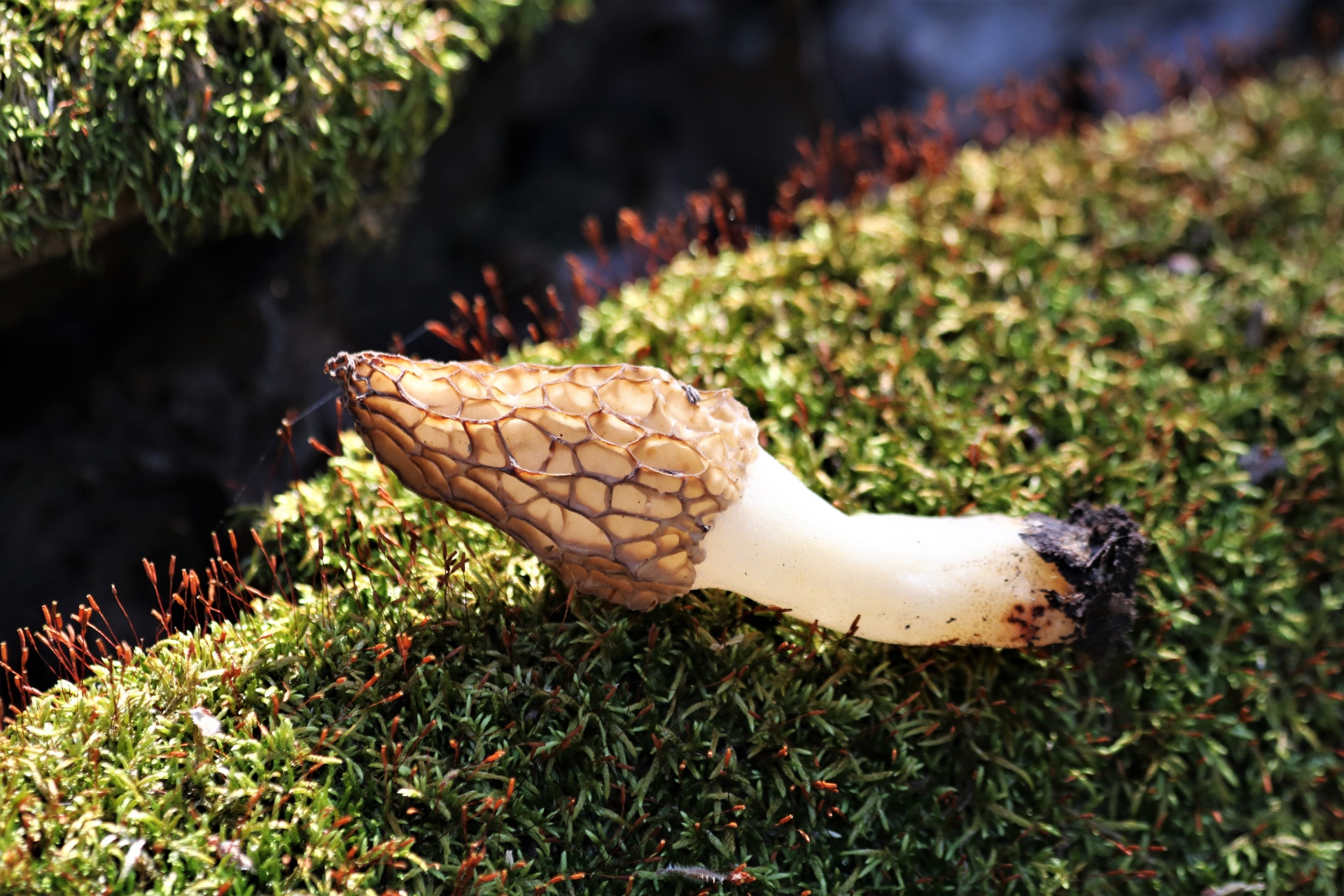
Yellow morels emerging from the sand beneath cottonwood trees along a river terrace — honeycomb caps pushing through the leaf litter, the scent of spring soil and fungi.
物の哀れ · Mono no Aware
In a week this elevation will be past its peak. The morels will have overmatured and the pickers will have moved uphill, following the retreating snow. Each patch is a brief window.
What the season brings?
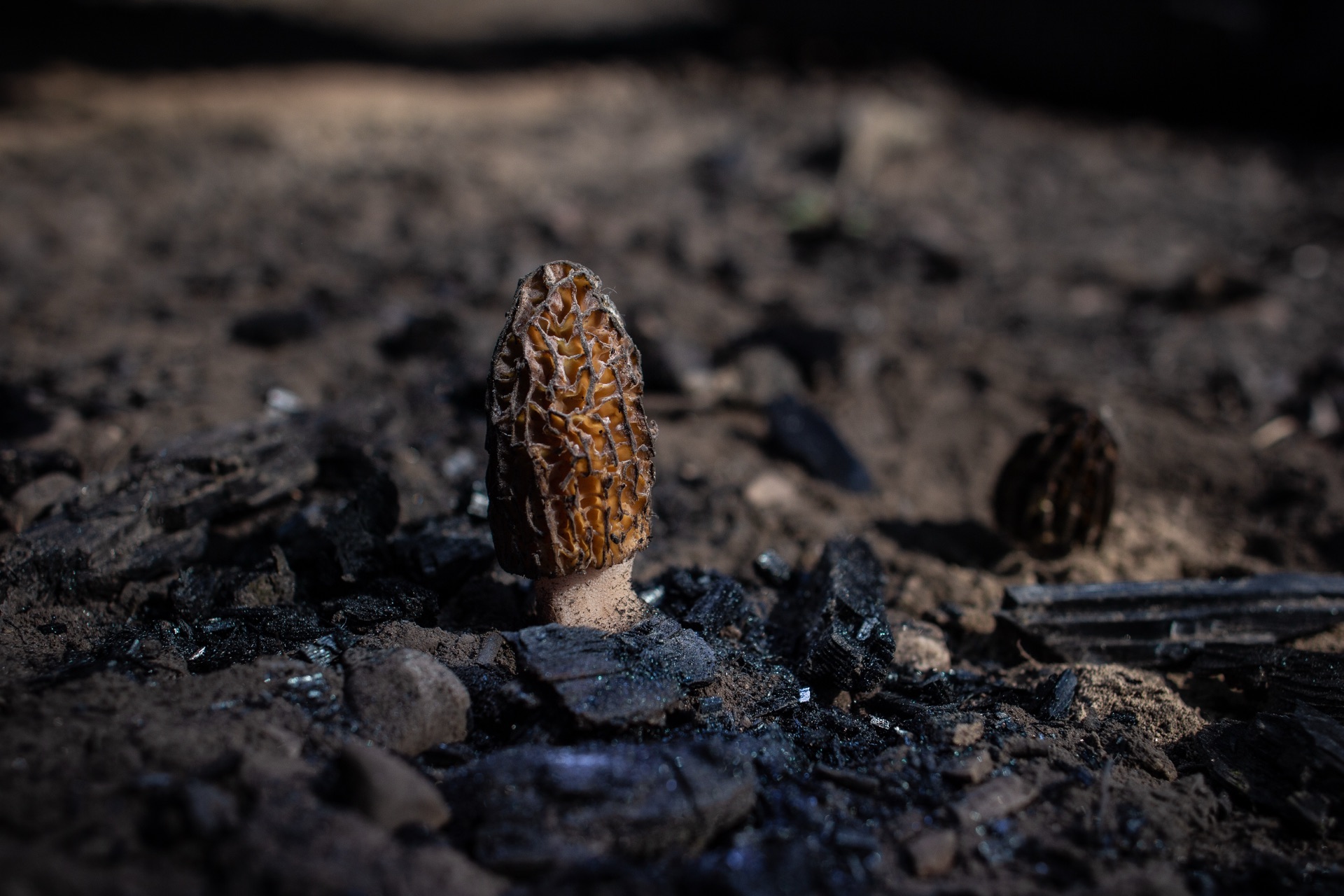
Late April through May brings morel mushrooms (Morchella species) to Pacific Northwest forests, with these prized edibles fruiting progressively higher in elevation as temperatures warm through spring. Morels are among the most sought-after wild mushrooms, with their distinctive honeycomb-patterned caps and hollow interiors making them unmistakable and highly valuable to foragers. In the Pacific Northwest, morels fruit most prolifically in areas with specific conditions: burn sites from the previous 1-3 years, areas near cottonwood and ash trees, disturbed forests, and areas with particular soil conditions. Experienced mushroom hunters "follow spring uphill," tracking the snowline's retreat to find fresh morel flushes at progressively higher elevations. Commercial morel harvest can be intense, with pickers traveling from around the world to harvest burn morels in productive years, earning significant income from this seasonal bonanza.
Convergence chain
Triggered by
Soil temperature reaching 10°C at 4-inch depth following adequate spring moisture; post-fire morels (Morchella tomentosa) erupt in burn scars from 2-3 years prior — the fire chemistry and altered soil structure create ideal conditions; in unburned forest, Morchella species fruit along riparian edges when soils warm
Enables
Fruiting bodies consumed by slugs, deer mice, and red squirrels, spreading spores; post-fire morel flushes attract foragers who generate spatial data on burn recovery; morel mycelium forms relationships with pioneer conifer roots in burned areas, accelerating forest recovery
The cascade
April soil reaches 10°C in old burn scars → morels erupt by the thousands in 2-3 year post-fire sites → deer mice and red squirrels consume fruiting bodies, scattering spores → morel mycelium associates with pioneer conifer seedlings → seedling establishment accelerates in morel-dense patches → by year 4-5, morel production collapses as conifers shade the site → the window is finite, precise, and driven entirely by when the fire burned and how fast the forest recovers
Foods to Mark the Season
Stinging nettles remain prime above 2,000 ft in the Cascades for those who missed the lowland peak. Serviceberry (*Amelanchier alnifolia*)—known as Saskatoon berry—begins flowering; the berries follow in June–July and were a critical Indigenous food preserved in winter caches across the Plateau. Spring Chinook fishing on the Willamette peaks in May.

This Season’s Podcast
The Biological Panic of Fire Morels
After wildfire scorches a Cascade slope, something strange happens underground. Fire morels fruit in explosive abundance — a biological response to catastrophe that foragers have followed for generations. We explore the science and the chase.
Frequently Asked Questions
Visions of the Season
Read more
Each microseason is approximately 5 days, marking the subtle changes in nature throughout the year.