Mason Bees Emerge
Mason Bees Emerge
14/72: Mar 6 to 10
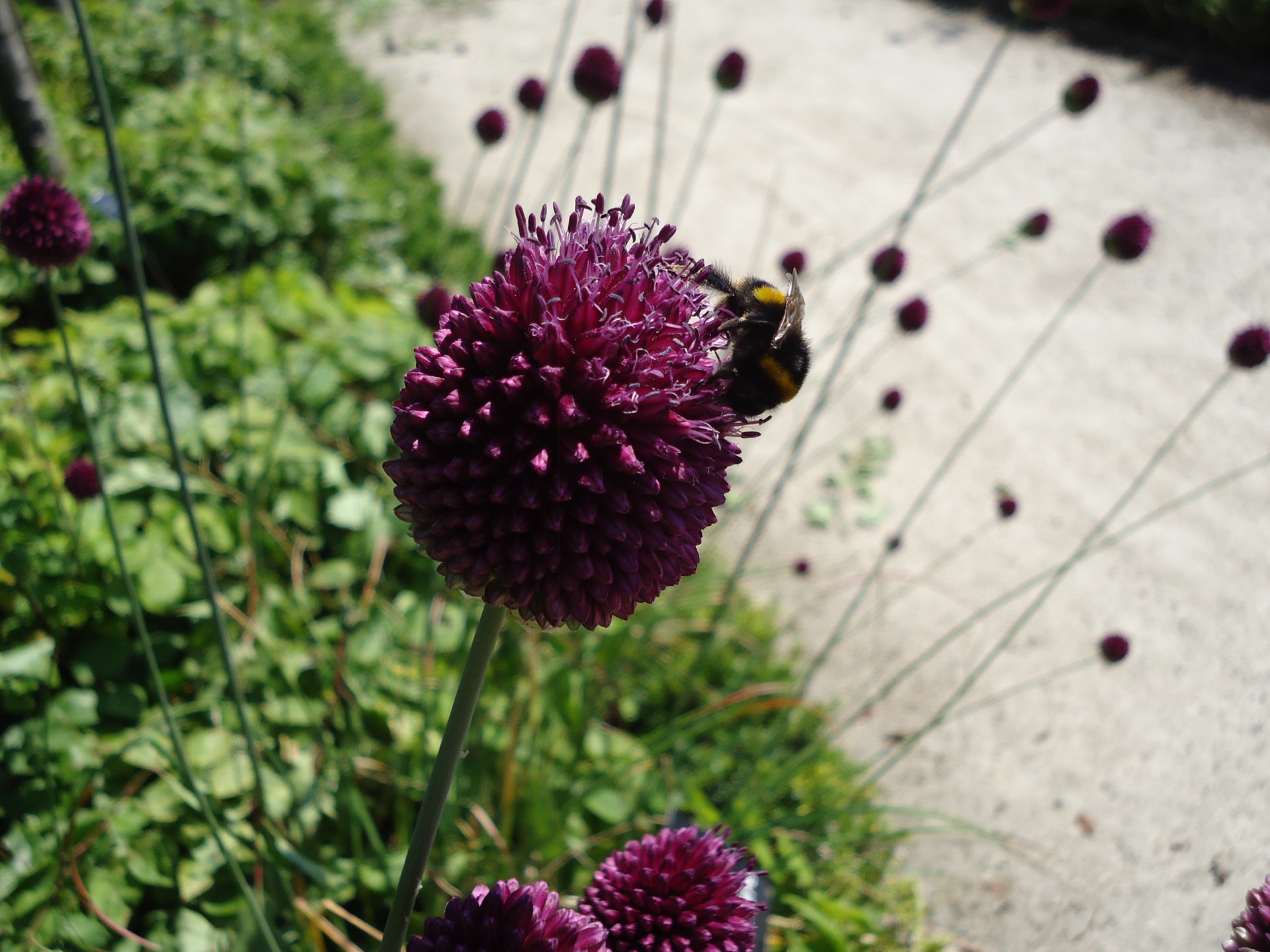
Mason bees emerge from their chambers. Native pollinators dust themselves with pollen.

風物詩 · Fūbutsushi
An orchard mason bee emerging from her tube on the first warm March morning — metallic blue-black, immediately searching for pollen, no time wasted.
物の哀れ · Mono no Aware
Each female will seal her brood cells and die before her offspring hatch. She tends a future she will not witness.
What the season brings?
Early to mid-March brings the emergence of orchard mason bees (Osmia lignaria) and other native spring bees throughout the Pacific Northwest. These solitary, non-aggressive bees are among the first pollinators to become active, emerging when temperatures consistently reach 55-60°F. Mason bees are incredibly efficient pollinators, with a single female capable of pollinating as many flowers as 100 honeybees. Watch for these metallic blue-black bees visiting early-blooming flowers like red flowering currant, Indian plum, fruit tree blossoms, and willows. Unlike honeybees, mason bees nest in pre-existing holes in wood, hollow stems, and specially-designed bee houses, making them excellent candidates for backyard pollinator conservation. Their emergence signals the true awakening of spring pollinator activity across the region.
Convergence chain
Triggered by
Soil temperature reaching 10°C at 2-inch depth; accumulated warmth units (degree-days above 10°C) matching mason bee developmental threshold; red flowering currant and Indian plum providing the first substantial pollen loads
Enables
Season 15: Herring Spawn — though not directly linked, mason bee emergence synchronizes with the first marine invertebrate blooms, marking the transition from late winter to early spring across all habitat types; early Prunus and Ribes pollination sets fruit that feeds cedar waxwings in June; cavity nest competition with native sweat bees and leafcutter bees structures the summer pollinator community
The cascade
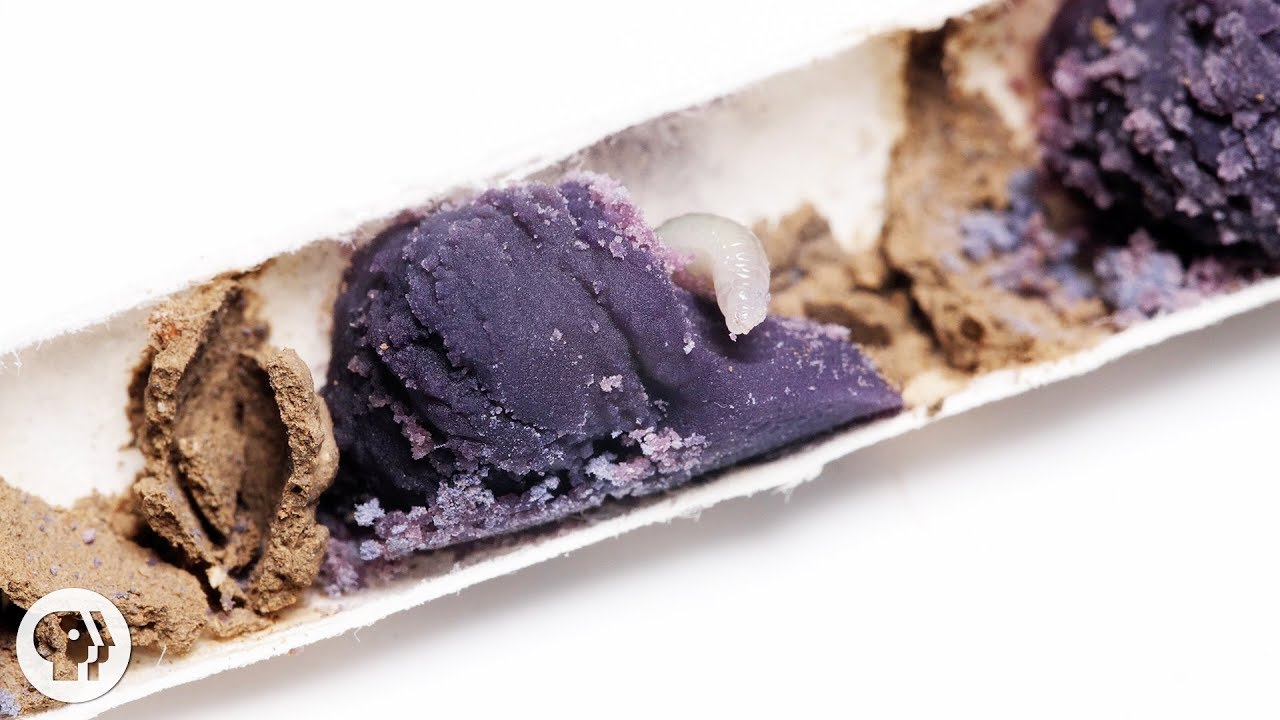
Soil warms past 10°C → female mason bees bore into hollow stems and nest boxes → they provision cells with pollen balls → completion of nesting in 3 weeks → Ribes and Prunus pollination 3–4 weeks ahead of honeybees → early-fruit set ensures June berries for thrushes and waxwings → nest holes abandoned in July become overwintering sites for small spiders and earwigs
Foods to Mark the Season
Fiddlehead ferns are underway in western lowlands—collect while still tightly coiled and blanch before eating. Wild ramp shoots and wild onion greens begin appearing in moist riparian woodlands. Spring Chinook fishing peaks on the lower Columbia through the Bonneville Pool.
Events This Season
Nurseries and garden centers across WA and OR, March–April. Expert-led classes on orchard mason bee biology, nesting setup, and native pollinator habitat — offered at wild bird stores, nurseries, and farm supply shops throughout the region.
events / washington / knox-cellars-mason-bee-classes →West Seattle Nursery, Seattle WA, late March. A biologist presents on mason bee life cycles and backyard hosting; attendees can rent or purchase bees and nesting tubes for the season ahead.
events / washington / mason-bee-rental-west-seattle-nursery →Frequently Asked Questions
Visions of the Season
Related Videos
Read more
Each microseason is approximately 5 days, marking the subtle changes in nature throughout the year.