Licorice Ferns Carpet
Licorice Ferns Carpet
69/72: Dec 12 to 16
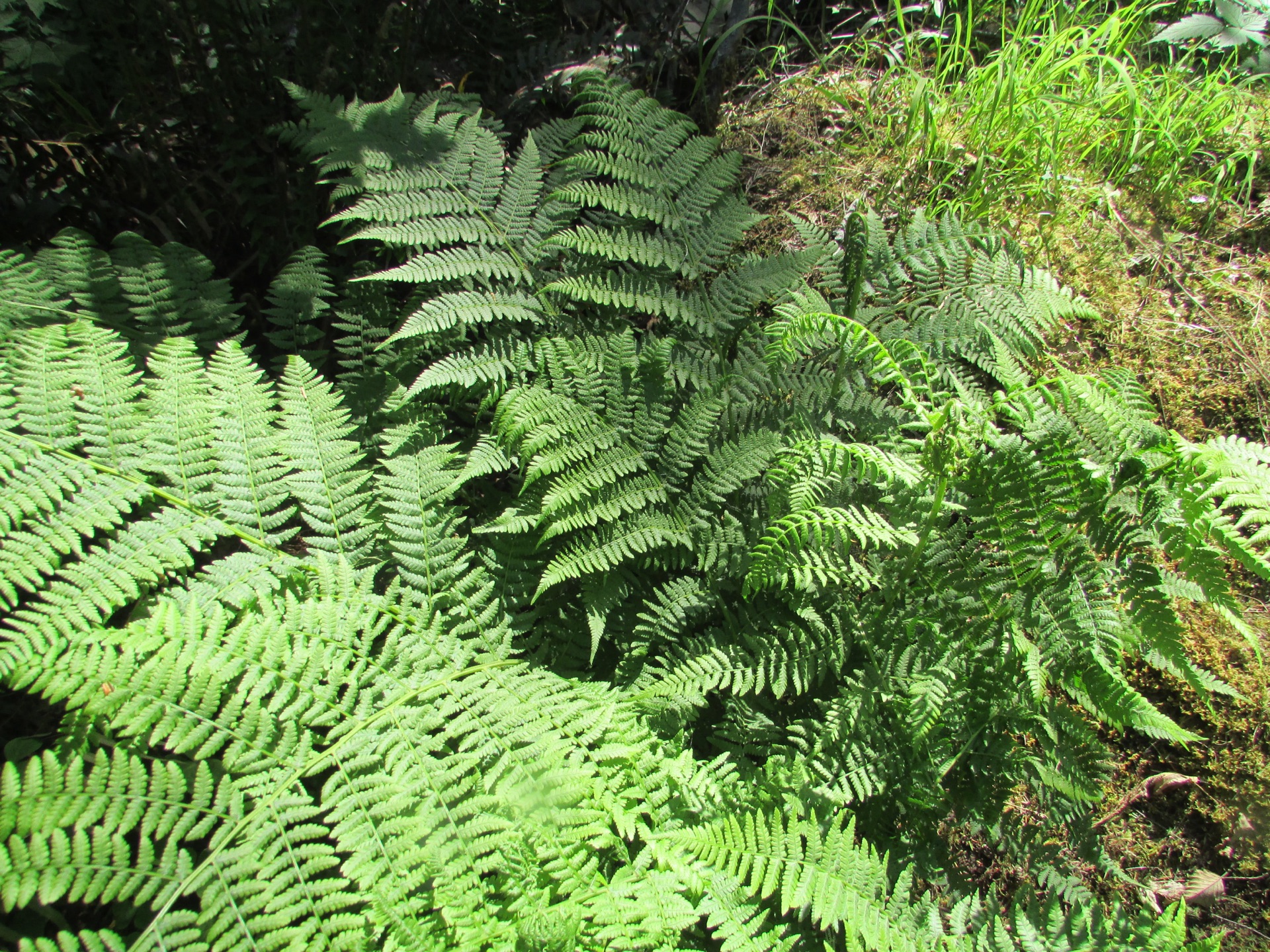
Licorice ferns carpet the maple trunks. Epiphytes greening in the wet.

風物詩 · Fūbutsushi
Licorice ferns covering a bigleaf maple trunk in December — brilliant green epiphytes carpeting the bark, alive only because the rain has returned.
物の哀れ · Mono no Aware
In June they will go brown and look completely dead. They will hang from the maple bark like dried paper for five months before the rains revive them again. They know how to wait.
What the season brings?
Mid-December showcases licorice ferns (Polypodium glycyrrhiza) at peak vitality, with these deciduous ferns carpeting bigleaf maple trunks, mossy nurse logs, and rocky outcrops throughout Pacific Northwest forests. Licorice ferns are epiphytes that grow on trees and rocks rather than in soil, absorbing moisture directly from rain and fog. These remarkable ferns completely die back and turn brown during summer drought, appearing dead for months, but revive within days of fall rains returning. By mid-December, after months of rehydration, they create brilliant green carpets covering maple bark and creating otherworldly forest scenes. The ferns get their name from their rhizomes, which taste like licorice and were traditionally chewed by indigenous peoples for flavor and medicinal purposes. Their ability to survive complete desiccation and rapid revival makes them ecological indicators of the Pacific Northwest's distinctive wet-dry seasonal cycle.
Convergence chain
Triggered by
Polypodium glycyrrhiza is drought-deciduous — it goes dormant in summer when conditions are dry and re-emerges in fall rains; by December it reaches full frond expression, covering bigleaf maple branches and mossy rocks with bright green fronds while everything else is bare or brown
Enables
Licorice fern fronds trap moisture in dry winter periods; the moss mat supporting the fern harbors overwintering beetles, moth pupae, and harvestmen; abundance on maple branches indicates old trees with established moss mats — an old-growth indicator at the individual tree scale; Pacific wrens forage in the mat for invertebrates throughout winter
The cascade
Fall rains rehydrate dormant licorice fern rhizomes → fronds unfurl and reach peak expression in December → fronds trap moisture during dry spells → the moss mat supporting the ferns harbors overwintering invertebrates → Pacific wrens forage in the mat all winter → in very early spring, wrens use fern fronds as nesting material → the ferns green up in December precisely when deciduous trees have dropped their leaves, maintaining visual structure in the winter forest
Foods to Mark the Season
Winter citrus arrives from California—satsuma mandarins, clementines, and Meyer lemons brighten December tables, alongside the brief persimmon season with crunchy Fuyu varieties perfect for fresh eating or winter salads.
Things to Do
Walk through old-growth forests to witness licorice ferns carpeting maple trunks in brilliant green—trails like Seward Park in Seattle or Baker Lake Trail near Mount Baker showcase these epiphytes at peak vitality. Join winter solstice luminary walks at Bloedel Reserve or Washington Park Arboretum (Dec 18-22).
Frequently Asked Questions
Visions of the Season
Read more
Each microseason is approximately 5 days, marking the subtle changes in nature throughout the year.