King Tides Surge
King Tides Surge
1/72: Jan 1 to 4
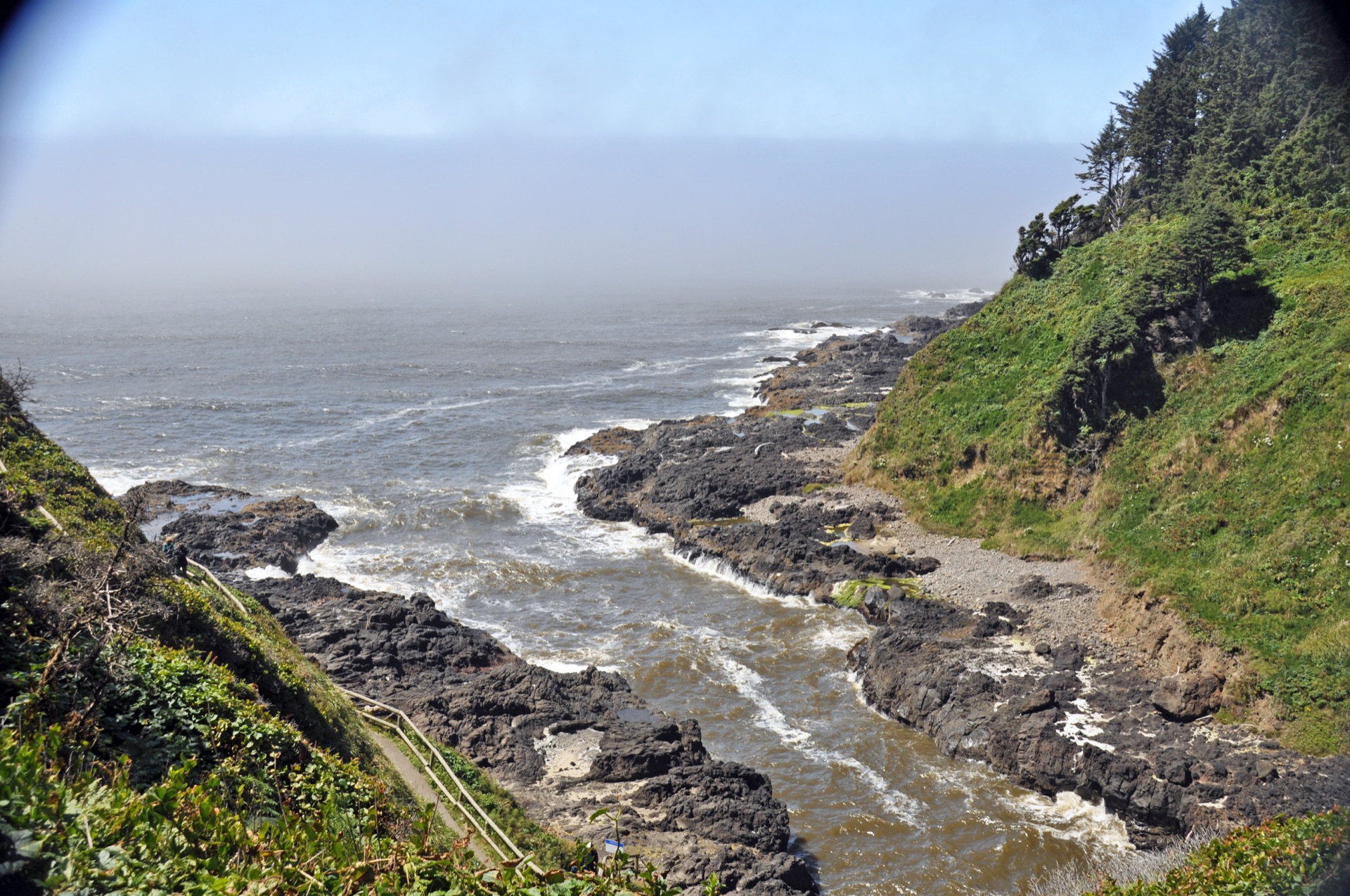
King tides surge to the year's peak. Ocean swells six inches higher—a glimpse of rising seas.

風物詩 · Fūbutsushi
A wave cresting over Depoe Bay's seawall — the year's first and highest tide, ocean spilling onto the highway.
物の哀れ · Mono no Aware
The water will not hold this height. By morning the sea retreats, leaving only the tide line's evidence on stone.
What the season brings?
January 1-4 brings the Pacific Northwest's highest tides of the year, with king tides occurring when the sun, moon, and earth align in perfect gravitational harmony. Ocean water levels surge 6+ inches above daily averages, creating spectacular coastal displays as massive waves crash over seawalls, shoot through blowholes as geysers, and flood low-lying areas. Depoe Bay becomes the epicenter of drama as waves inundate the seawall running through town, creating fountain-like sprays that drench Highway 101. Other prime viewing locations include Shore Acres State Park (known for massive wave displays), Cape Disappointment where river meets ocean, and Taft Beach in Lincoln City. King tides provide a sobering preview of future sea level rise, showing where flooding will occur as climate change raises ocean levels. When combined with winter storms, king tides can create hazardous conditions with sneaker waves sweeping logs and debris onto beaches. The Oregon King Tides Photo Project enlists citizen scientists to photograph high water marks against fixed features like pilings and seawalls, contributing data to sea level rise research and coastal planning.
Convergence chain
Triggered by
Perihelion (Earth closest to the sun in early January) coinciding with new or full moon alignment, combining gravitational forces to produce the year's maximum tidal amplitude; winter storm surge adding to the astronomical tide
Enables
Intertidal zones exposed beyond normal low tide, revealing sea stars, urchins, chitons, and mussels in zones rarely accessible; stranded wrack on beaches feeds ravens, crows, and bald eagles; abnormally high tides briefly flood estuary edges, pushing juvenile Dungeness crab into marsh habitat; tidepooling conditions visible to human observers alert to their occurrence
The cascade
Sun-moon-Earth alignment maximizes tidal force → intertidal zone exposed 1-2 feet below normal low tide → ochre sea stars and purple urchins visible in usually-submerged zones → western gulls and crows probe exposed rock → high tides strand kelp and marine wrack on beaches → ravens and eagles work the wrack line → estuary margins flood with seawater → juvenile Dungeness crab shelter in the brackish mixing zone
Foods to Mark the Season
Winter's heartiest vegetables remain abundant—kale, Brussels sprouts, and cruciferous crops alongside root vegetables like beets, carrots, parsnips, and turnips. Storage crops including winter squash, potatoes, and Asian pears extend fall's harvest through January's cold.
Things to Do
Witness king tides at coastal viewpoints like Depoe Bay, Shore Acres State Park, or Cape Disappointment—January 1-4 marks the year's highest tides. Participate in the Oregon King Tides Photo Project by photographing high water marks at www.oregonkingtides.net, contributing to citizen science tracking sea level rise. Join New Year's polar bear plunges at Matthews Beach, Alki Beach, or other Pacific Northwest locations.
Events This Season
Squamish & Brackendale, BC, first Sunday of January. Community volunteer counters station along 40 miles of the Squamish River corridor at dawn to tally every wintering bald eagle — one of BC's longest-running raptor monitoring programs. While king tides surge on the coast, hundreds to thousands of eagles are working the chum salmon carcasses on Squamish gravel bars in the same January week.
events / british-columbia / brackendale-winter-eagle-count →Frequently Asked Questions
Visions of the Season
Read more
Each microseason is approximately 5 days, marking the subtle changes in nature throughout the year.