Indian Plum Dreams
Indian Plum Dreams
9/72: Feb 9 to 13
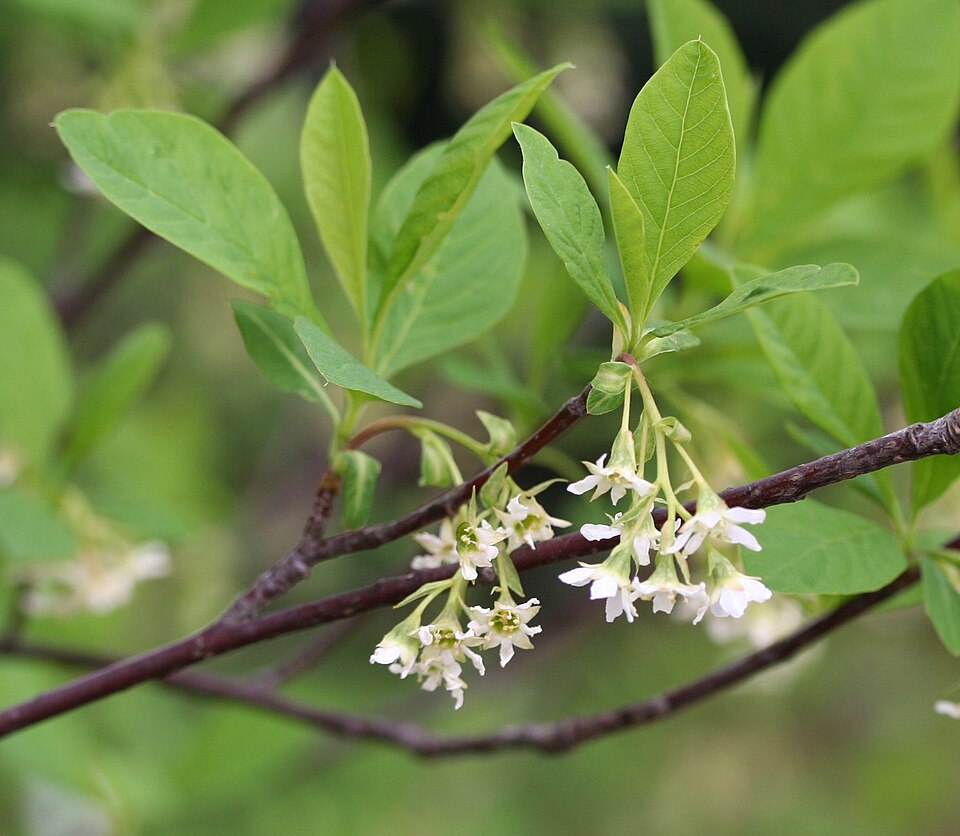
Indian plum dreams in green. Bright leaves and drooping white bells, earliest native awakening. First hummingbird scouts return.

風物詩 · Fūbutsushi
Indian plum leafing out in February — the only green shrub in the still-bare forest, its white bells the first native flowers of the year.
物の哀れ · Mono no Aware
In two weeks every shrub around it will also be leafing out, and Indian plum will lose its singularity. This week it stands alone.
What the season brings?
Mid-February brings the emergence of Indian plum (Oemleria cerasiformis), the Pacific Northwest's earliest-blooming native shrub, with bright green leaves and drooping clusters of small white bell-shaped flowers. This plant serves as a critical early-season nectar source, often flowering when few other plants are in bloom, making it essential for newly-returning rufous hummingbirds and early-emerging native bees. The small greenish-white flowers hang in delicate racemes, and the plant's early leaf-out creates spots of fresh green among otherwise bare branches. Look for Indian plum along forest edges, streams, and disturbed areas from British Columbia to California, where it often forms dense thickets. The plant produces small plum-like fruits by late summer that were traditionally eaten by indigenous peoples, though they're quite bitter to modern palates.
Convergence chain
Triggered by
Oemleria cerasiformis responds to accumulated warmth earlier than almost any other native shrub — leafing out and flowering while surrounding forest is still bare; it is triggered more by accumulated warmth than photoperiod, making it the first to respond to any February warm spell
Enables
Season 14: Mason Bees Emerge — Indian plum catkins provide pollen to early queens of Bombus vosnesenskii; aphids colonize new Indian plum leaves and sustain Anna's hummingbirds through late winter as a protein source; the small white flowers feed the earliest butterflies; June fruits feed songbirds before any other native fruit is ripe
The cascade
Indian plum leafs out weeks before the canopy closes → catkins open and provide pollen to early bees and flies → aphids establish on new leaves → Anna's hummingbirds hunt the aphid colonies for protein → fruit sets by late May → June drupes ripen before salmonberry and thimbleberry are ready → robins and cedar waxwings consume the early crop → seeds dispersed into forest understory
Foods to Mark the Season
Nettle foraging gains momentum as young shoots reach harvestable size (6–8 inches) in PNW lowland riparian zones. Garlic mustard, an edible invasive now widespread in western Oregon and Washington, has mildly flavored leaves best before the plant bolts in spring. Razor clam digs continue on Washington ocean beaches during approved WDFW windows.
Frequently Asked Questions
Visions of the Season
Related Videos
Read more
Each microseason is approximately 5 days, marking the subtle changes in nature throughout the year.