Seal Pups Appear
Seal Pups Appear
31/72: May 30 to Jun 4
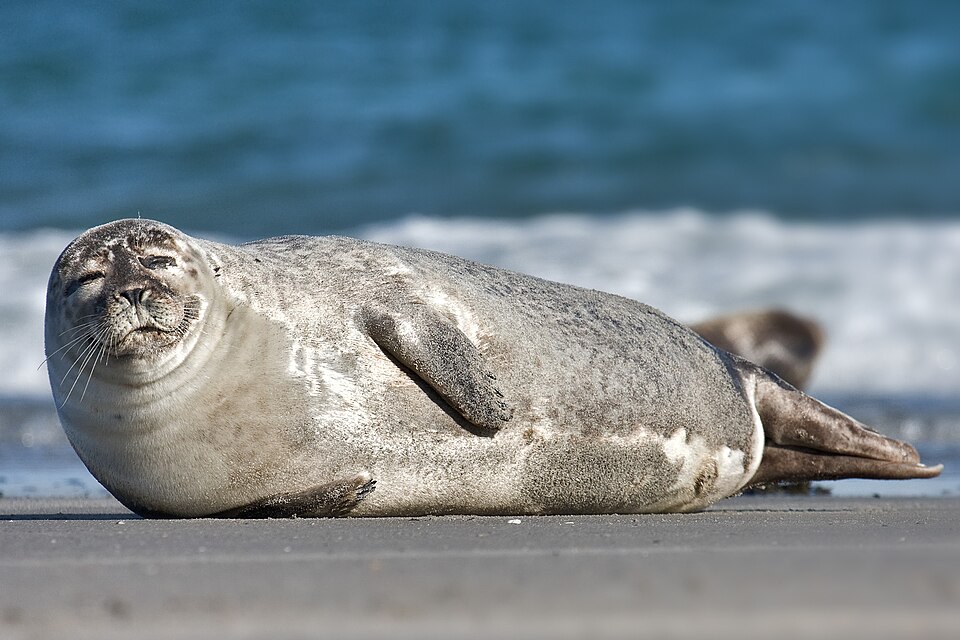
Seal pups appear on coastal rocks. New life hauled out in the spring sun.

風物詩 · Fūbutsushi
A harbor seal pup hauled out on a sun-warmed rock in early June — small and spotted, eyes open, nursing while the tide rises below.
物の哀れ · Mono no Aware
In six weeks the mother will wean the pup abruptly and leave. The pup must learn the sea alone, and many do not survive the first winter.
What the season brings?
Late May through early June marks the peak of harbor seal (Phoca vitulina) pupping season along Pacific Northwest coastlines, with newborn pups appearing on rocky shores, beaches, and floating logs throughout the region. Harbor seal mothers give birth to single pups (usually weighing 20-24 pounds) during low tide, allowing pups to dry and bond before the tide returns. The pups can swim within hours of birth but spend considerable time hauled out on rocks resting and nursing. Along the Washington and Oregon coasts, Puget Sound, and British Columbia's Salish Sea, watch for small groups of seals basking in the late spring sunshine, with adorable spotted pups staying close to their mothers. Harbor seals are the most common marine mammal in the Pacific Northwest, with populations recovering well since the Marine Mammal Protection Act of 1972.
Convergence chain
Triggered by
Harbor seal pupping is timed so that pups are born when nearshore water temperature exceeds 12°C and prey fish are abundant enough for nursing mothers to maintain lactation; specific haulout sites are used generation after generation, the locations known to both seals and the eagles that patrol them
Enables
Pups left alone on beaches while mothers forage attract eagles and coyotes; pup mortality contributes to beach nutrient cycling; surviving pups dispersing in July spread predation pressure across the nearshore fish community; predictable pup beaches create acute human disturbance pressure if access is unmanaged
The cascade
Water temperatures rise above 12°C → female harbor seals haul out at traditional beaches to give birth → pups born helpless, dependent on rich milk → mothers forage in nearshore herring and small flatfish schools → bald eagles patrol pup beaches for dead or abandoned pups → coyotes approach at night from the forest edge → pups wean at 4-6 weeks → newly independent pups disperse and begin hunting alone, distributing predation pressure across nearshore fish communities
Foods to Mark the Season
Strawberry season peaks in the Skagit Valley and Puget Sound lowlands—this is the single most abundant local berry week of the year in western Washington, with U-pick farms across Whatcom and Skagit counties opening their fields. Serviceberry (Saskatoon berry) begins ripening in drier eastern Cascade sites, and thimbleberries ripen broadly along coastal forest edges.
Frequently Asked Questions
Visions of the Season
Read more
Each microseason is approximately 5 days, marking the subtle changes in nature throughout the year.