Gray Whales Pass
Gray Whales Pass
2/72: Jan 5 to 9
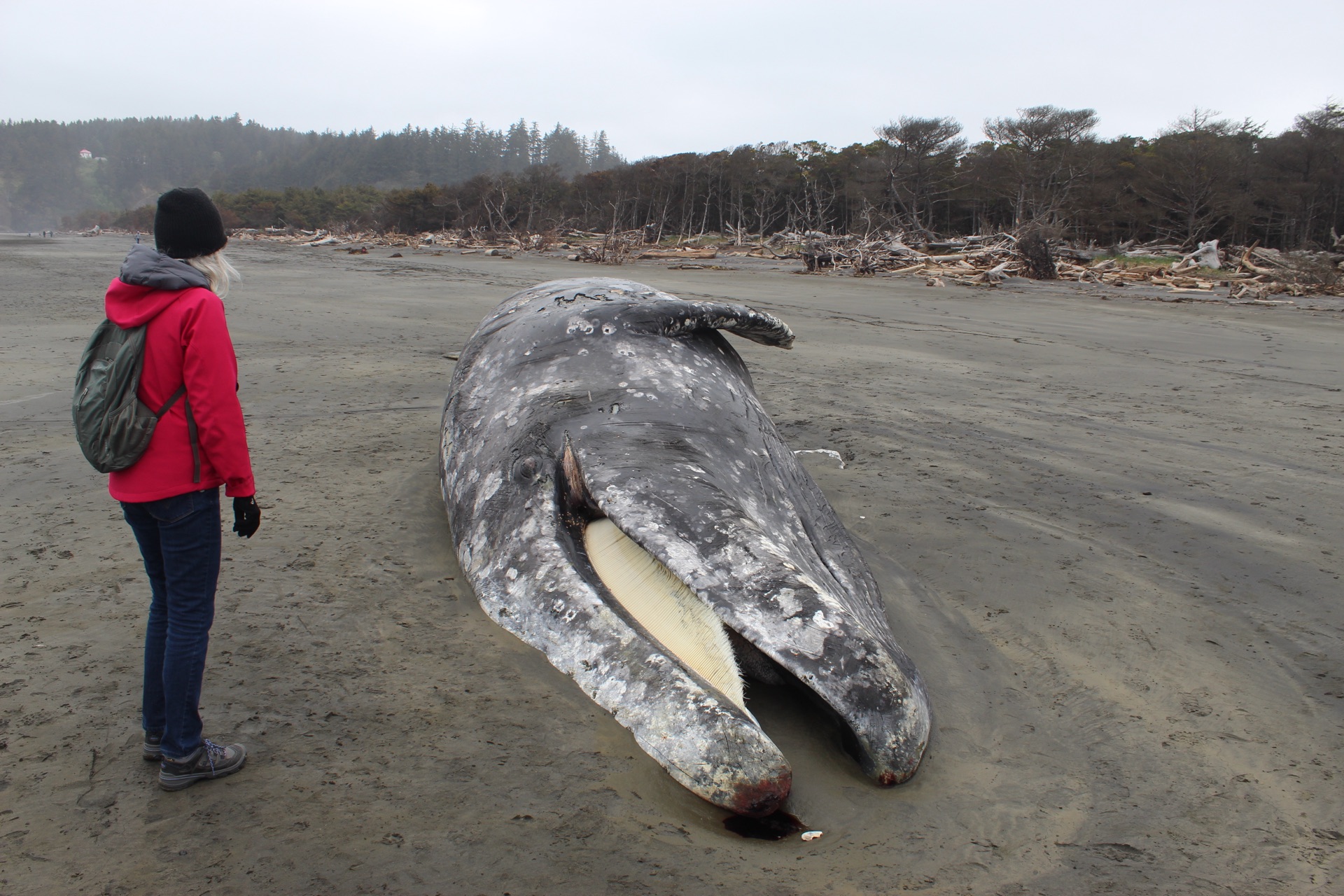
Gray whale migration peaks. Most pass in early January's gray waters.

風物詩 · Fūbutsushi
A gray whale's heart-shaped spout rising and vanishing off Cape Perpetua — the migration passing at five miles per hour.
物の哀れ · Mono no Aware
They are already moving south, already gone before you find the binoculars. The blow dissipates; the gray water closes over.
What the season brings?
Early January marks the peak of the Eastern Pacific gray whale migration, with approximately 20,000 whales traveling from Alaska's feeding grounds to Baja California's breeding lagoons. From coastal headlands like Cape Perpetua, Ecola State Park, and Cape Flattery, watch for their distinctive blow spouts and occasional breaches as they pass within a few miles of shore. Gray whales travel at about 5 mph, migrating up to 12,000 miles round-trip in one of the longest mammal migrations on Earth. The southbound migration runs from December through February, with peak numbers typically visible in early January during their passage through Pacific Northwest waters.
Convergence chain
Triggered by
Gray whales completing the 5,000-mile southbound migration from Arctic feeding grounds; caloric depletion requiring foraging in shallow transit corridors; seasonal kelp bed positioning along the Oregon and Washington coast
Enables
Whale feeding in nearshore sediment disturbs the seafloor, releasing nutrients and creating turbidity plumes that attract baitfish; whale breath condensate and fecal plumes fertilize surface phytoplankton; gray whale presence signals healthy kelp and eelgrass corridors to coastal managers
The cascade
Gray whales cruise southbound in January → some pause to feed on amphipods in shallow sandy bays → bottom-feeding excavations suspend sediment → nutrients cycle to surface → phytoplankton bloom follows the disturbance → herring and sand lance aggregate on the bloom → diving birds work the school → the whale's visit ripples up the food web for weeks
Foods to Mark the Season
January brings stored harvest abundance—apples, beets, chard, fennel, garlic, kale, turnips, leeks, and winter squash from fall harvests. Root vegetables like carrots, parsnips, and potatoes thrive in storage, while cruciferous vegetables (Brussels sprouts, cauliflower) remain hardy through winter cold.
Things to Do
Visit coastal headlands during peak whale migration—Cape Perpetua (800 feet above the ocean with 30-mile views), Depoe Bay (whale watching capital), Cape Lookout, or Ecola State Park. Combine whale watching with winter hiking on trails like the 5-mile Cape Lookout trail offering Pacific views and whale sighting opportunities.
Frequently Asked Questions
Visions of the Season
Read more
Each microseason is approximately 5 days, marking the subtle changes in nature throughout the year.