Fireweed Climbs
Fireweed Climbs
37/72: Jul 1 to 5
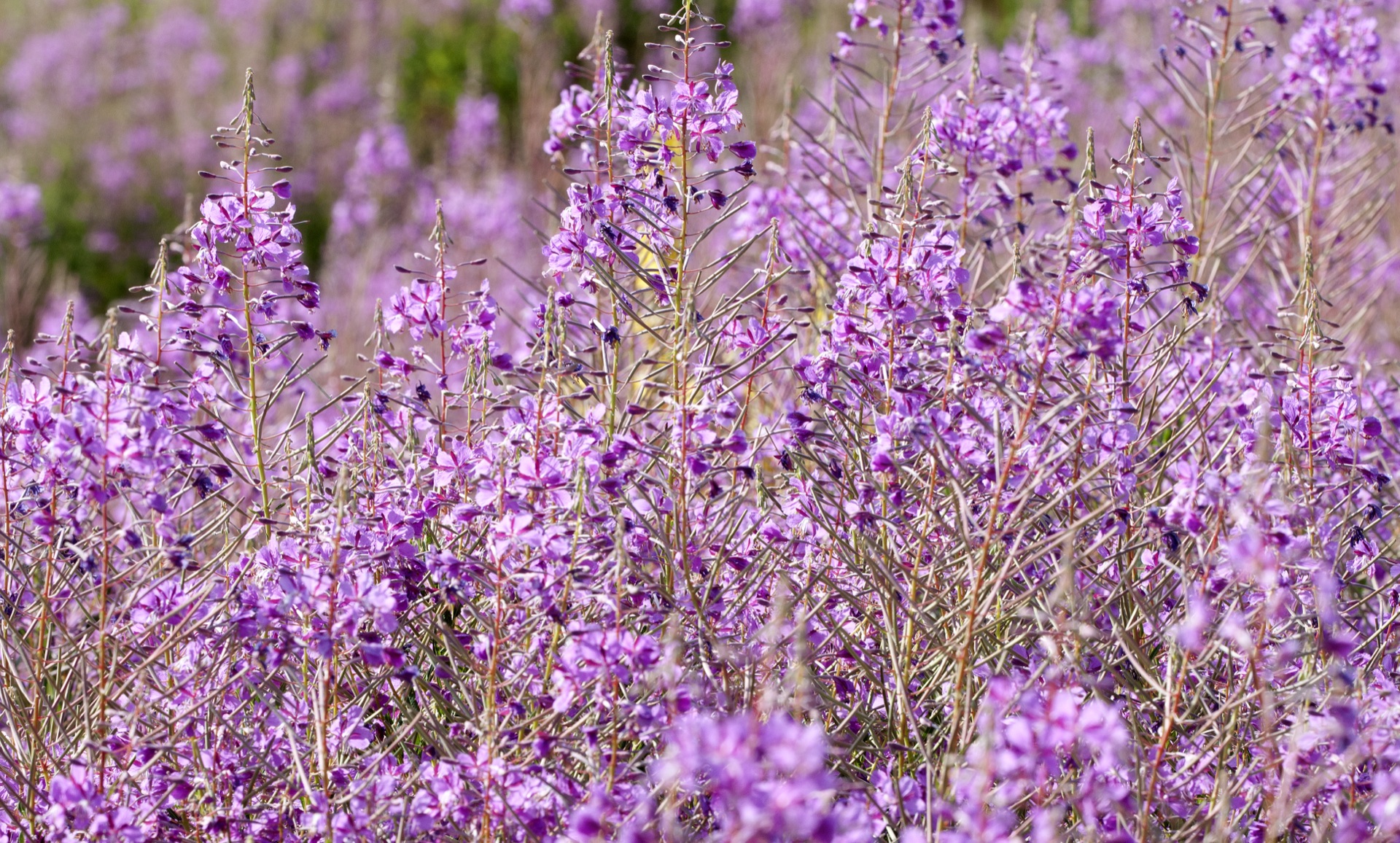
Fireweed begins its upward climb. Magenta towers, blooming bottom to top.

風物詩 · Fūbutsushi
Fireweed blooming along a burn scar in July — magenta towers as tall as a person, blossoms open from the bottom, working their slow way toward the top.
物の哀れ · Mono no Aware
When the flowers reach the spike's tip, the old ones say, summer is ending. Watch how high they have climbed and count the weeks you have left.
What the season brings?
Early July brings the beginning of fireweed (Chamerion angustifolium) flowering, with these tall, showy plants producing brilliant magenta-pink flower spikes in disturbed areas, clear-cuts, burn sites, and mountain meadows throughout the Pacific Northwest. Fireweed is famous for its distinctive bottom-to-top blooming pattern, with flowers opening progressively up the 3-6 foot tall stems over several weeks. This sequential blooming creates a natural calendar—when flowers reach the top of the spike, locals know summer is waning and fall approaches. Fireweed rapidly colonizes disturbed sites, often being among the first plants to return after logging or wildfire, giving it the nickname "blooming fire." The flowers attract numerous pollinators including bees and hummingbirds, while the seeds develop feathery white plumes that disperse on the wind by late summer, creating cotton-like drifts across the landscape.
Convergence chain
Triggered by
Epilobium angustifolium germinates on exposed mineral soil in high light — it requires the disturbance conditions created by clearcuts, road cuts, and burn scars; its wind-carried seeds travel miles to reach suitable sites, arriving and establishing within the first growing season after disturbance
Enables
Fireweed is the primary late-summer nectar source for bumblebee colonies producing reproductive queens and males; the dense stands provide moose foraging habitat in the north of the range; fireweed's bloom marks year 1-5 of post-disturbance succession, providing a biological clock for forest recovery
The cascade
Disturbance exposes mineral soil → airborne fireweed seeds land and germinate → dense stands established by year 2 → peak bloom in July draws the highest bumblebee colony densities of the year → queens raised on fireweed pollen and nectar → reproductive queens and males produced from August → queens mate and enter soil to overwinter → next year's colony founding depends on this reproductive flush → fireweed stands decline by year 5 as shrub competition shades them out
Foods to Mark the Season
Puget Sound recreational Dungeness crab season opens in most marine areas in early July (WDFW sets exact dates annually). Marionberries are at peak harvest in the Willamette Valley—these hybrid blackberries are grown almost exclusively in Oregon and are the state's most important berry crop. Sockeye salmon are entering the Columbia River in fishable numbers.
Frequently Asked Questions
Visions of the Season
Read more
Each microseason is approximately 5 days, marking the subtle changes in nature throughout the year.