Bulls Bugle
Bulls Bugle
51/72: Sep 13 to 17
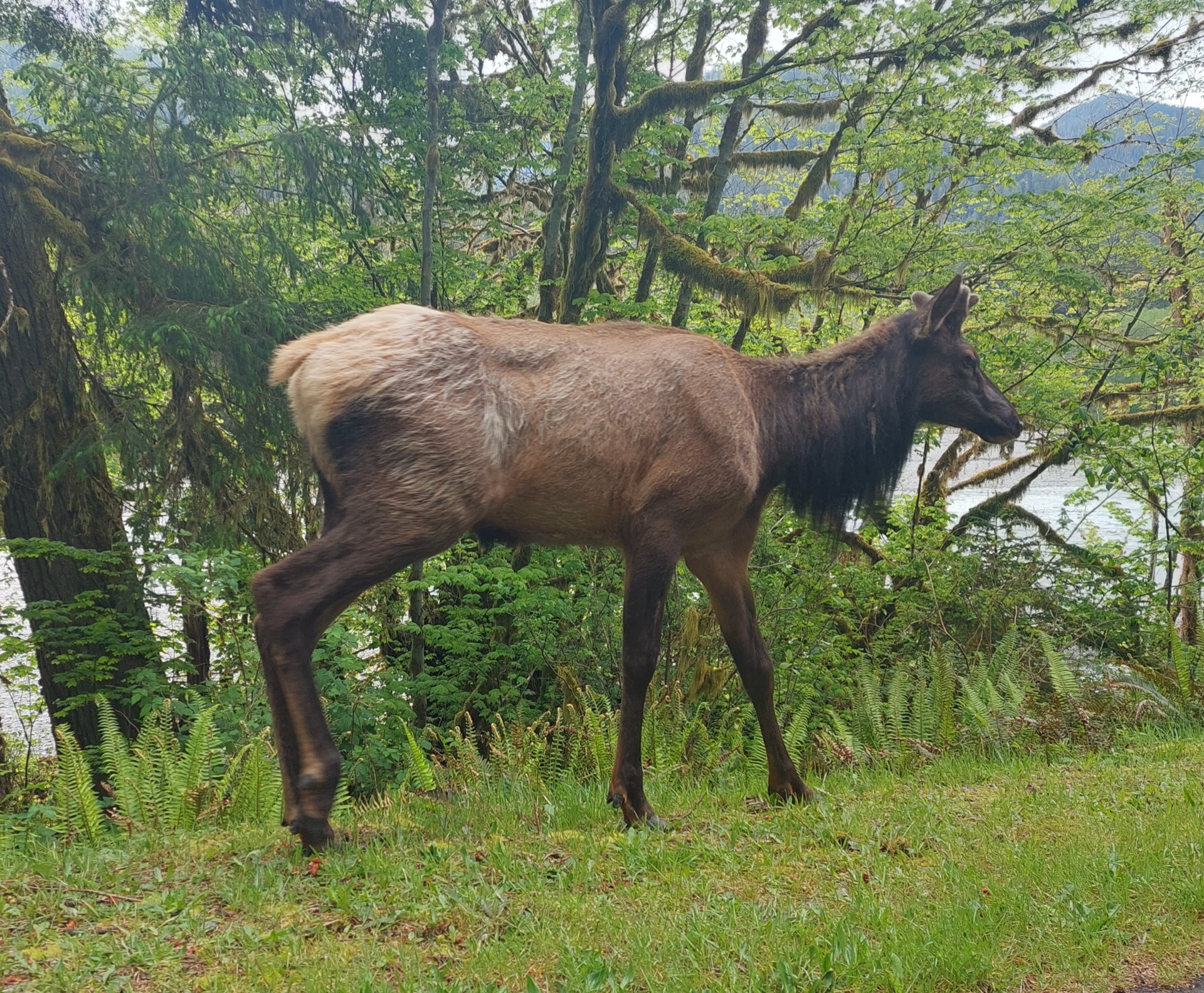
Elk bugle splits the mountain silence. The rut at its fierce peak.

風物詩 · Fūbutsushi
A bull elk bugling at first light in a September meadow — the call beginning low and rising to a shriek, the sound carrying a mile across the valley.
物の哀れ · Mono no Aware
By October it will be over. The bull will have lost a third of his body weight and will spend the rest of the fall trying to recover before snow falls.
What the season brings?
Mid-September marks the peak of the elk rut throughout Pacific Northwest mountains, with bull elk producing their full, powerful bugles that can carry for miles across valleys and ridges. These haunting calls serve to attract females, intimidate rival males, and establish dominance hierarchies within elk herds. Bulls engage in spectacular displays including antler wrestling, parallel walking, and occasionally intense fights that can result in serious injuries. The rut is energetically demanding for bulls, which may lose 20-30% of their body weight during the breeding season due to constant activity and minimal feeding. Listen for elk bugles in the Cascades, Olympics, and Coast Range, particularly at dawn and dusk when calling activity peaks. The rut typically lasts 4-6 weeks, with peak activity in mid-September tapering off by early October as bulls exhaust themselves and females become bred.
Convergence chain
Triggered by
Photoperiod shortening past 13 hours; testosterone surge in bull elk triggered by falling day length; velvet antler calcification completing in late August
Enables
Antler rubbing strips bark from young conifers and alders, creating wound sites that invite cavity-nesting insects; wallowing churns riparian mud, creating microhabitats for amphibians; bugling concentrates cows in meadow edges, suppressing shrub encroachment via browsing
The cascade
Bull elk bugle and thrash saplings from mid-September → bark wounds invite bark beetles → beetle galleries weaken stems → woodpeckers excavate over the following winters → abandoned cavities become nesting sites for small owls and flying squirrels → flying squirrels cache mycorrhizal fungi, spreading forest inoculant across the understory
Foods to Mark the Season
Matsutake mushrooms (*Tricholoma murrillianum*)—highly prized by Japanese-American communities and a major export to Japan—begin fruiting near ponderosa pine in the eastern Cascades and Deschutes area. Chanterelles are in full swing throughout western Oregon and Washington. Coho salmon reach peak counts in Puget Sound tributaries. Willamette Valley grape harvest is underway for Pinot Gris and Chardonnay.
Frequently Asked Questions
Visions of the Season
Read more
Each microseason is approximately 5 days, marking the subtle changes in nature throughout the year.