Eagles Gather
Eagles Gather
66/72: Nov 27 to Dec 1
Eagles gather south as whales turn toward warmer seas. Migrations crossing—one thousand raptors arriving while thirty giants pass each hour.

風物詩 · Fūbutsushi
Bald eagles lining the cottonwoods above the Skagit as gray whale spouts appear offshore — two migrations crossing at the same moment, one arriving and one departing.
物の哀れ · Mono no Aware
In two months the eagles will follow the salmon south and the river will be quiet again. The whales will already be in Baja. These crossings never last.
What the season brings?
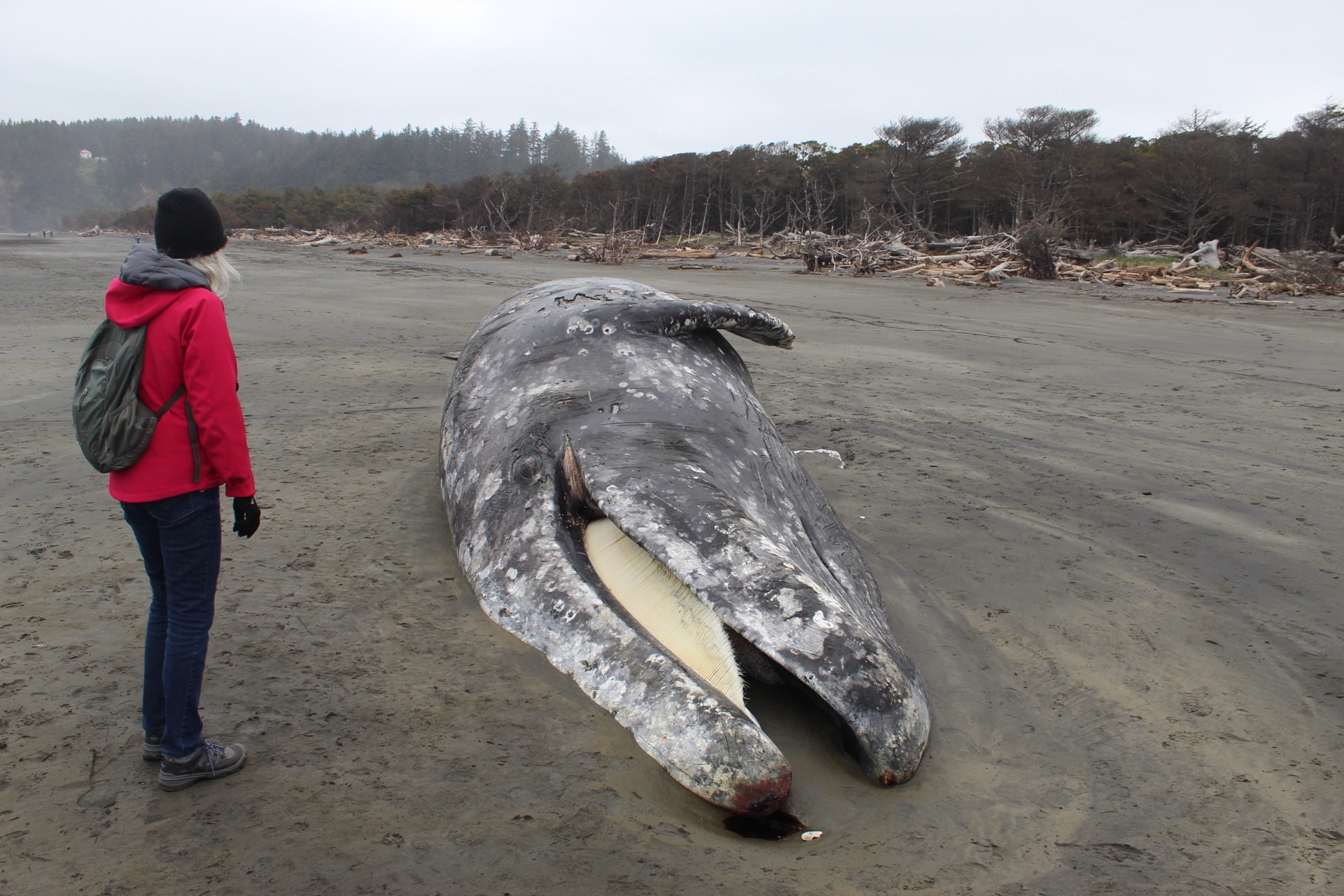
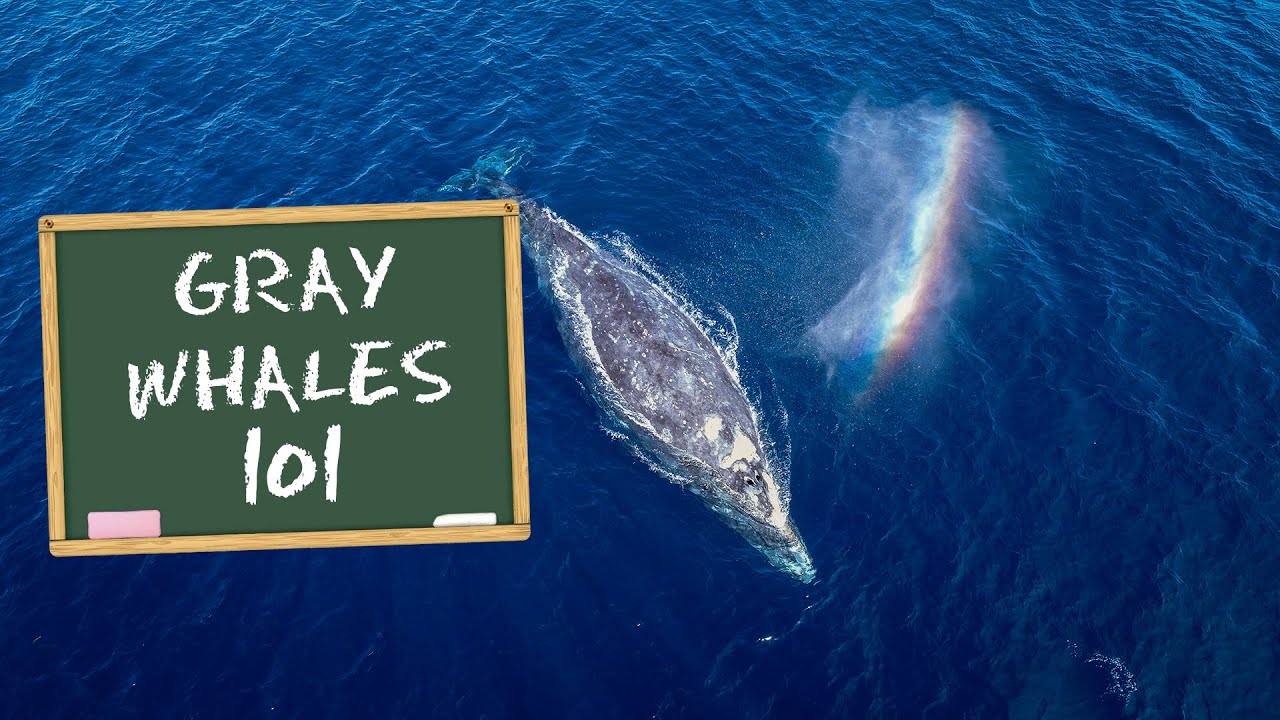
Late November marks a remarkable convergence of migrations: gray whales heading south while bald eagles arrive from the north. Approximately 20,000 gray whales travel past the Pacific Northwest coast from Alaska's feeding grounds to Baja California's breeding lagoons, passing within miles of shore at about 5 mph. Simultaneously, thousands of bald eagles from Alaska and Canada descend on Pacific Northwest rivers like the Skagit and Nooksack, drawn by spawning chum and coho salmon. Adult eagles arrive in November-December, with numbers building toward concentrations of over 1,000 birds by late December—one of the largest gatherings in North America. From coastal headlands watch for whale spouts and breaches, while along salmon rivers eagles perch in cottonwoods, feeding on spawning salmon. This dual migration creates spectacular viewing opportunities as southern-bound giants pass offshore while northern raptors settle into winter feeding grounds.
Convergence chain
Triggered by
Season 57: Chum Salmon Crowd — late chum carcasses and spent fish concentrated in shallow river reaches; cold water temperatures slowing decomposition and extending food availability; Skagit River corridor providing roosting cottonwoods within flight range of feeding sites
Enables
Season 67: White Wings Settle — trumpeter swans arrive in the same Skagit floodplain, sharing the bottomland with eagles; ecotourism concentration that funds local conservation; great blue heron foraging density peaks along eagle-patrolled river banks
The cascade
Chum salmon carcasses accumulate in Skagit shallows → up to 800 bald eagles concentrate per day at peak → eagles compete with ravens, coyotes, and mink for fish → human observers follow, funding local conservation through tourism dollars → eagle disturbance pushes herons downstream, concentrating them at undisturbed sloughs
Foods to Mark the Season
Oregon's commercial Dungeness crab season opens December 1—the most anticipated shellfish event of the year on the Oregon coast, signaling the start of winter crab season. Fresh oysters across Puget Sound, Willapa Bay, and the Oregon coast are at peak seasonal quality in cold winter water. Willamette Valley hazelnuts remain freshly available for holiday baking, and hardy brassicas (kale, Brussels sprouts) develop peak sweetness after frost.
Things to Do
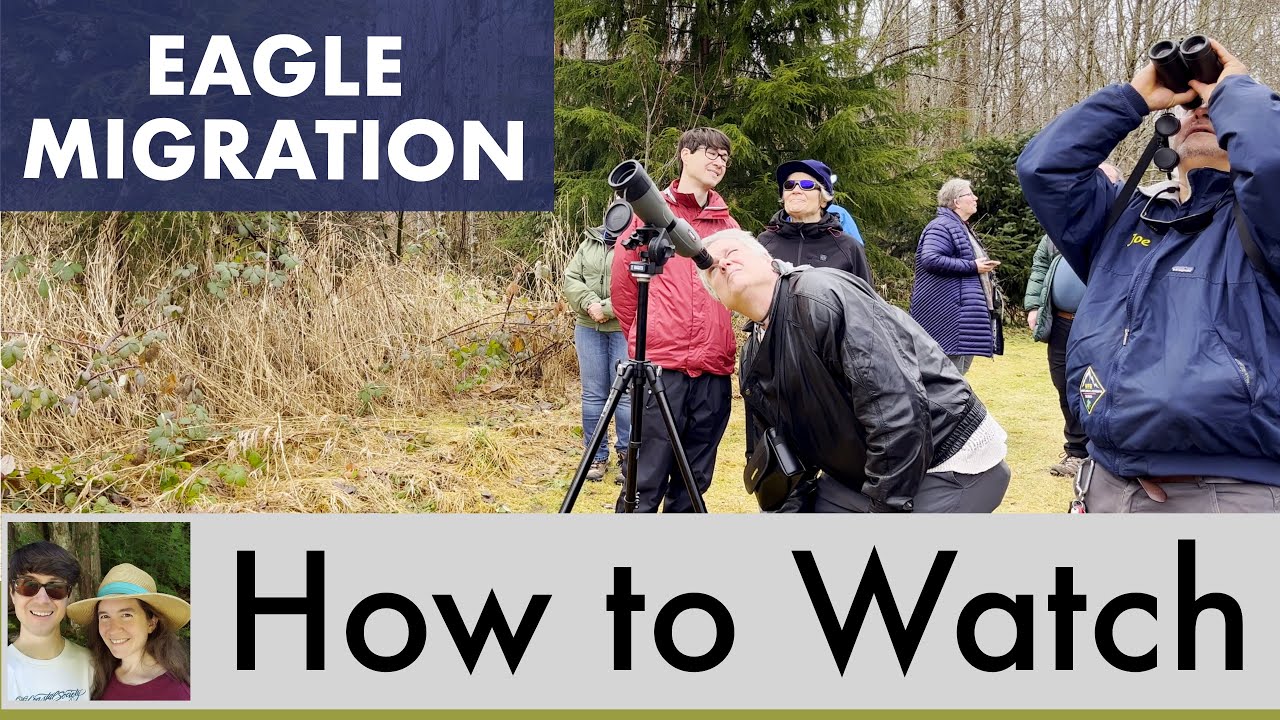
Visit Skagit River bald eagle viewing areas near Rockport or coastal headlands for whale watching; both migrations peak during this convergence period making late November exceptional for wildlife viewing.
Events This Season
Rockport, WA, December through mid-February (guided walks Sat–Sun). Volunteer-led walks at the largest concentration of wintering bald eagles in the contiguous United States — 500+ birds on the upper Skagit during peak weeks, drawn by late-season chum carcasses. Run by the Upper Skagit Indian Tribe, Skagit Land Trust, and WDFW. Free.
events / washington / skagit-river-bald-eagle-walks →Tofino, BC, late November through early January. Community winter festival on the outer coast during peak storm-watching season — lantern-lit walks, the Hot Cocoa Trail through Campbell Street galleries, and North Pacific swells on Long Beach. The same late-November calendar that brings eagles to the Skagit brings gray whales, sea otters, and Steller sea lions to Tofino's quietest and most atmospheric season.
events / british-columbia / tofino-winter-nights →Frequently Asked Questions
Visions of the Season
Related Videos
Read more
Each microseason is approximately 5 days, marking the subtle changes in nature throughout the year.