Rain Becomes Memory
Rain Becomes Memory
34/72: Jun 15 to 20
Rain becomes memory. The long dry season settles over the land.

風物詩 · Fūbutsushi
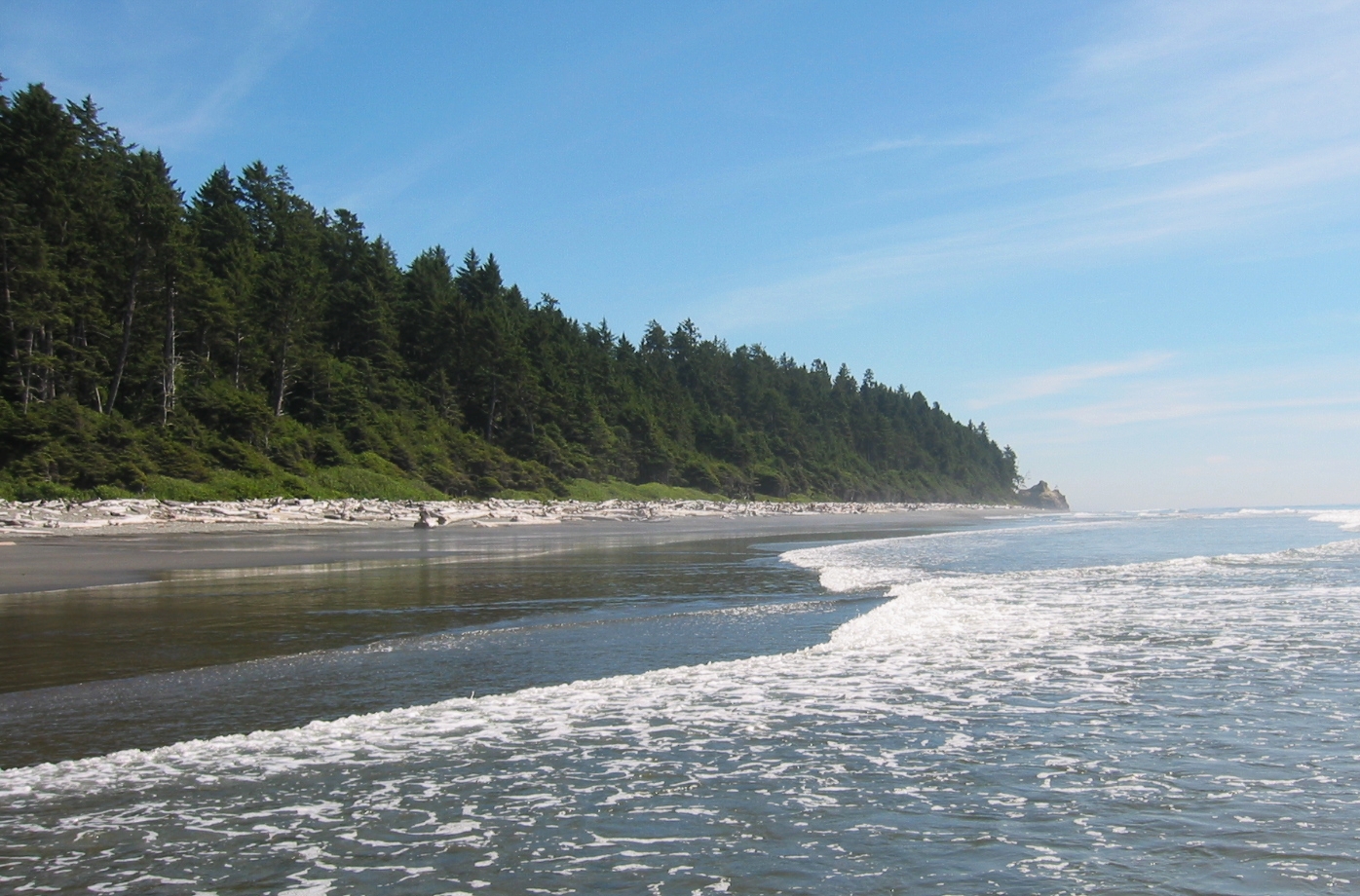
The last rain of June falling, and then the sky clearing to blue — the Pacific High locking into place, the dry season beginning its three-month hold.
物の哀れ · Mono no Aware
The rivers are dropping already. By August the gravel bars will be exposed, the salmon waiting in whatever cool water remains.
What the season brings?
Mid-June marks the transition to the Pacific Northwest's characteristic dry season, when rain becomes increasingly rare and the region enters its most reliable period of sunny, warm weather. The Pacific High pressure system builds offshore, blocking storm systems and creating stable, dry conditions that typically last through September. Lowland areas may receive less than 2-3 inches of total precipitation from mid-June through September, with some years seeing virtually no measurable rain for months. This dramatic seasonal shift from wet winters to dry summers is a defining feature of the Pacific Northwest's Mediterranean-like climate, creating conditions that support the region's unique mix of temperate rainforest and drought-adapted ecosystems. The dry season triggers important ecological changes including reduced streamflows, increased wildfire risk, and the onset of summer dormancy for many native plants.
Convergence chain
Triggered by
The Pacific High pressure system building offshore blocks storm tracks from reaching the coast; this transition happens within a remarkably consistent window in mid-June, ending the wet season that began in October — often within a week of the same date year to year
Enables
Soil moisture deficit begins accumulating from this date; wildfire risk calendar starts; summer-dormant species begin shutting down; nocturnal dew becomes the primary moisture source for surface insects; rivers drop and warm, concentrating fish in remaining cold pools
The cascade
Pacific High blocks storm track → rain stops → soil begins drying at surface → vegetation in uplands enters water stress → streams drop and warm → salmon seeking cold water concentrate in deep pools near cold springs → eagles and bears concentrate at the predictable cold-water refugia where fish are trapped → wildfire risk accumulates from each dry day forward → the summer is a controlled burn in slow motion
Foods to Mark the Season
Wild thimbleberries peak along forest edges in the Olympics and lower Cascades—a delicate, unmistakably PNW berry with a flavor unlike commercial raspberries, impossible to farm at commercial scale. Salal berries (*Gaultheria shallon*) are forming along coastal forest margins, ripening to dark blue-black by late summer. Summer Chinook salmon begin appearing in ocean fisheries off the Washington and Oregon coasts.
Frequently Asked Questions
Visions of the Season
Read more
Each microseason is approximately 5 days, marking the subtle changes in nature throughout the year.