Dogwood Turns Scarlet
Dogwood Turns Scarlet
60/72: Oct 28 to Nov 1
Dogwood leaves turn scarlet. Understory aflame beneath yellowing maples.

風物詩 · Fūbutsushi
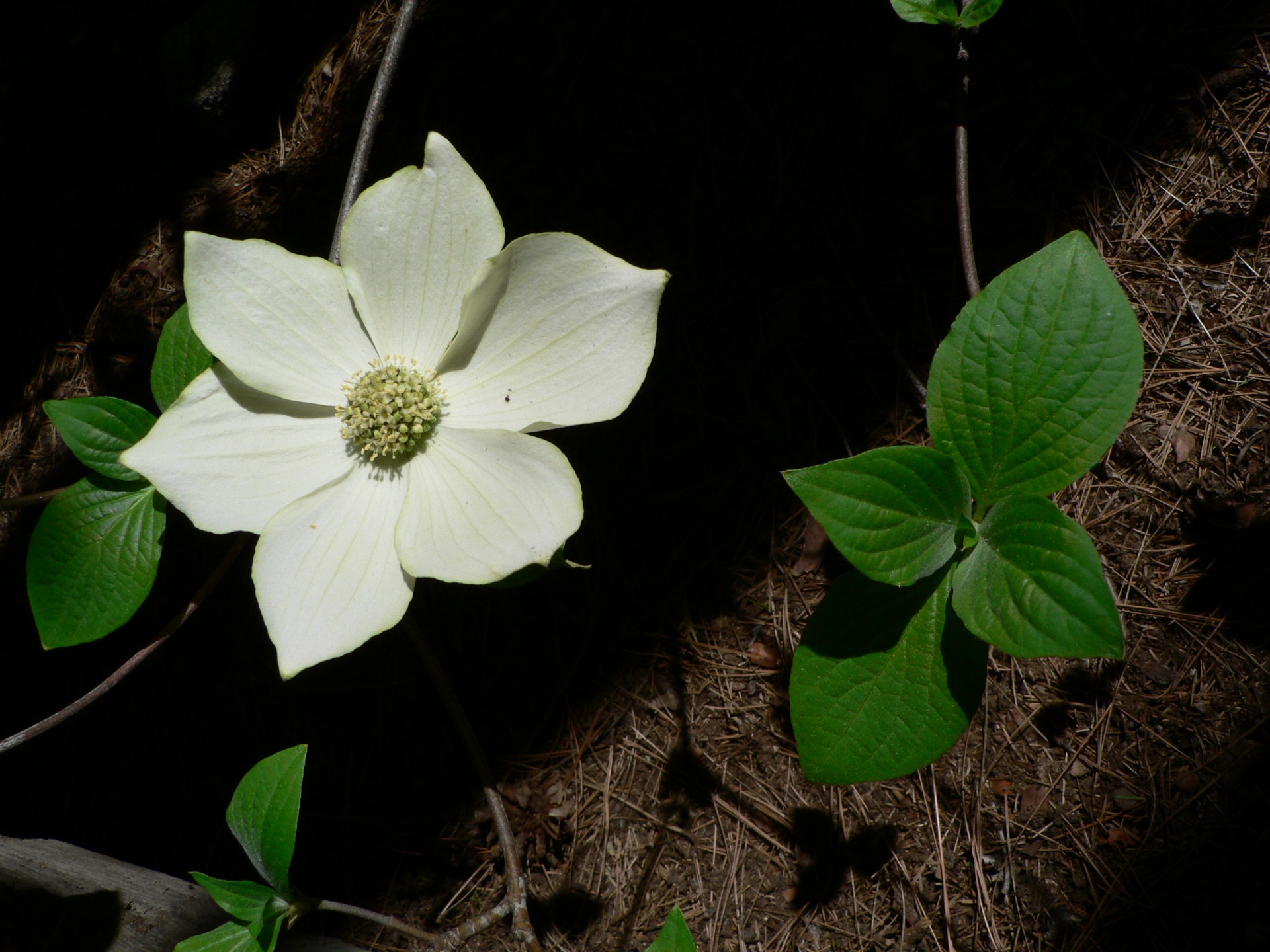
Pacific dogwood leaves turning scarlet beneath yellowing bigleaf maple in late October — the forest understory lit from below, red among gold.
物の哀れ · Mono no Aware
The anthracnose has taken so many of the old trees. The ones still turning red in November are the survivors. Their beauty carries an elegy in it now.
What the season brings?
Late October through early November brings brilliant scarlet-red fall color to Pacific dogwood (Cornus nuttallii) leaves, creating striking displays in the forest understory beneath yellowing bigleaf maples and alders. While dogwood's spring white bracts steal the show in April, the fall leaf color provides an equally dramatic but often-overlooked display. The leaves turn deep red to burgundy, often remaining on the tree longer than many other deciduous species. Simultaneously, the trees display clusters of bright red berries that attract birds and provide important fall food sources. Pacific dogwood occupies moist forest understories throughout the Pacific Northwest, and its layered branching pattern and relatively low stature make the fall colors accessible and visible even from forest trails. The combination of red leaves and red berries against gray November skies creates a final burst of color before winter's monochrome palette dominates.
Convergence chain
Triggered by
Pacific dogwood (Cornus nuttallii) is a late color-turner; leaves shift to brilliant pink-red when temperatures drop consistently below 10°C at night; it turns after bigleaf maple and vine maple, marking the deepest phase of fall transition
Enables
Red berry clusters persist through the color change and are consumed by migrating thrushes and band-tailed pigeons making their final pre-departure feeding; the late scarlet foliage marks the edge of forest types where dogwood grows — a visible ecological mapping tool; varied thrushes arriving from the north consume remaining berries and scatter seeds
The cascade
Overnight temperatures drop below 10°C consistently → dogwood leaves turn scarlet while fruit still attached → band-tailed pigeons make final fruit foraging before southward departure → varied thrushes arrive from the north consuming remaining berries → seeds scattered into forest understory → dogwood seedlings establish in canopy gaps created by winter windthrow → the cycle from wind-felled giant to dogwood sapling in the gap connects the storm season to the bloom season years hence
Foods to Mark the Season
Pacific oysters in Puget Sound, Willapa Bay, and Netarts Bay reach their best eating quality in cold water—November through March is prime oyster season in the Pacific Northwest, when cold temperatures plump the meat and improve flavor. The chanterelle season extends toward its peak before the first hard frost. Chum salmon fishing is still active in coastal rivers.
Frequently Asked Questions
Visions of the Season
Read more
Each microseason is approximately 5 days, marking the subtle changes in nature throughout the year.