Coho Gather
Coho Gather
49/72: Sep 2 to 7
Coho gather in nearshore waters. Silver salmon stage for autumn runs.

風物詩 · Fūbutsushi
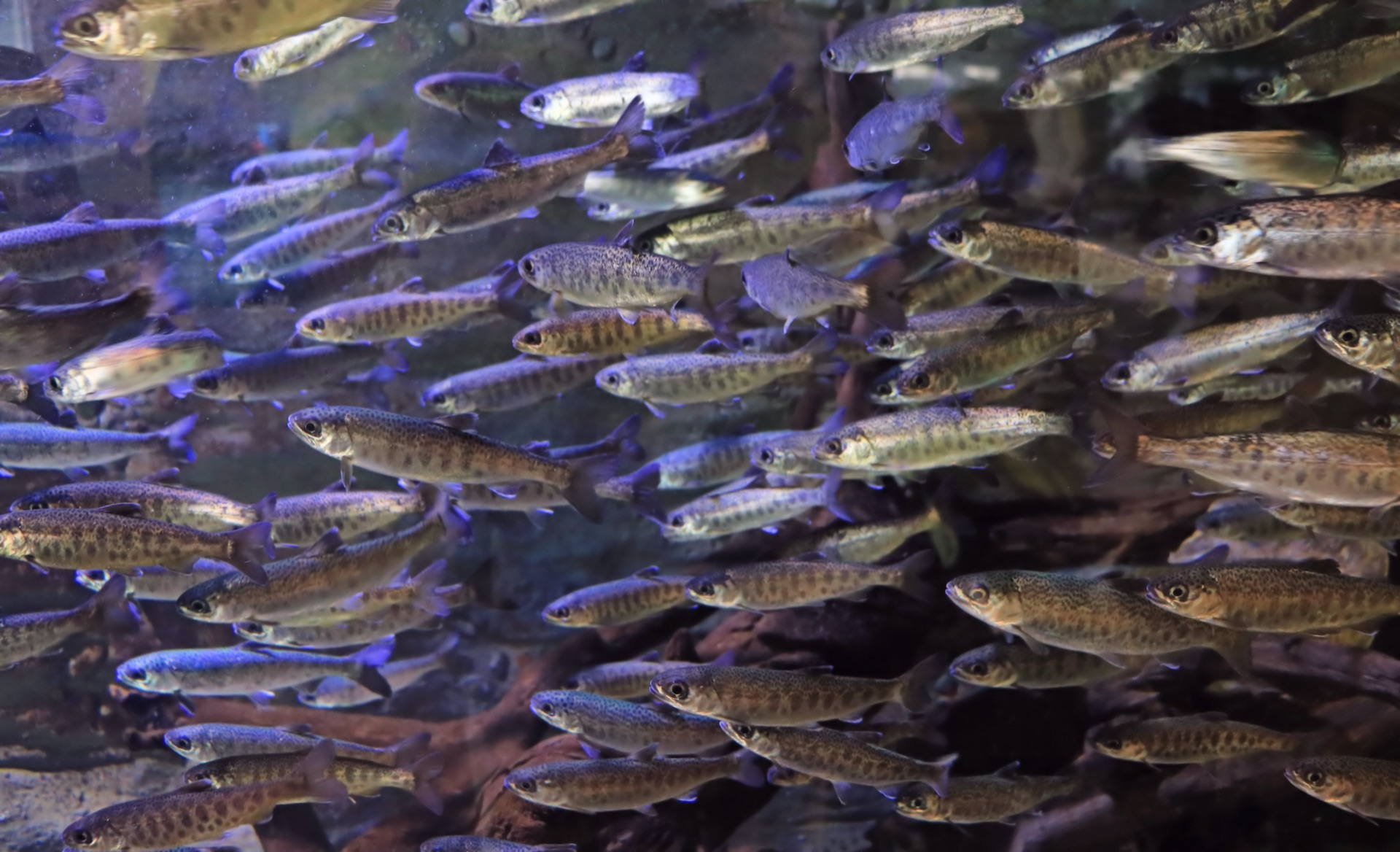
Coho massing in the estuary in early September — silver sides flashing just below the surface, the fish holding, feeling for the signal to run.
物の哀れ · Mono no Aware
They are waiting for the rains to cool the rivers. Until then they hold in the bay, burning the fat they built in the open ocean, running out of time.
What the season brings?
Early September brings coho salmon (Oncorhynchus kisutch) gathering in nearshore waters throughout Puget Sound and coastal areas, staging before entering rivers for their fall spawning runs. These "silver salmon" congregate in bays, estuaries, and along the coast, feeding intensively to build energy reserves for their upstream migration. Coho are distinctive with their bright silver sides, metallic blue-green backs, and small black spots on the upper tail fin. Most coho spend 18 months in freshwater streams as juveniles before migrating to the ocean, where they typically spend 18 months before returning to spawn. Peak coho runs occur from September through November, with fish entering rivers in waves following rain events. Coho populations have declined significantly from historical levels due to habitat loss and degradation, making many runs listed as threatened under the Endangered Species Act.
Convergence chain
Triggered by
Coho salmon complete their 3-year ocean phase and stage in nearshore bays near river mouths, waiting for the first significant fall rains to raise river levels for passage; their timing is among the most precise of any salmon — foragers and biologists alike can predict their appearance within days
Enables
Nearshore coho concentrations attract sea lions, harbor seals, and Bigg's killer whales; osprey and eagles position at estuary mouths; coho's 3-year ocean phase means they carry more marine nutrients per fish than pink or chum; once rivers rise, coho enter and spawn in smaller tributaries that other salmon species never reach
The cascade
Coho complete 3-year ocean phase → stage in nearshore waters near river mouths → sea lions concentrate at estuary entrances → Bigg's killer whales hunt sea lions and coho simultaneously → eagles patrol estuary margins → first October rains raise river levels → coho enter within 48 hours of sufficient flow → November-December spawning delivers marine nitrogen to tributary streams too small for other salmon species → the nutrients reach waters otherwise beyond the marine input network
Foods to Mark the Season
Hood River Bartlett and Anjou pears are at peak harvest—the Columbia River Gorge is the epicenter of Pacific Northwest pear production, with the Hood River Fruit Loop at full season. Coho salmon fishing peaks in Puget Sound marine areas and along the Oregon coast. Chanterelles are fruiting broadly in the Cascades and Coast Range after fall rains. Wine grape harvest begins at the warmest Willamette Valley vineyards.
Frequently Asked Questions
Visions of the Season
Read more
Each microseason is approximately 5 days, marking the subtle changes in nature throughout the year.