Chum Salmon Crowd
Chum Salmon Crowd
57/72: Oct 13 to 17
Chum salmon crowd the streams. Latest spawners, autumn's culmination.

風物詩 · Fūbutsushi
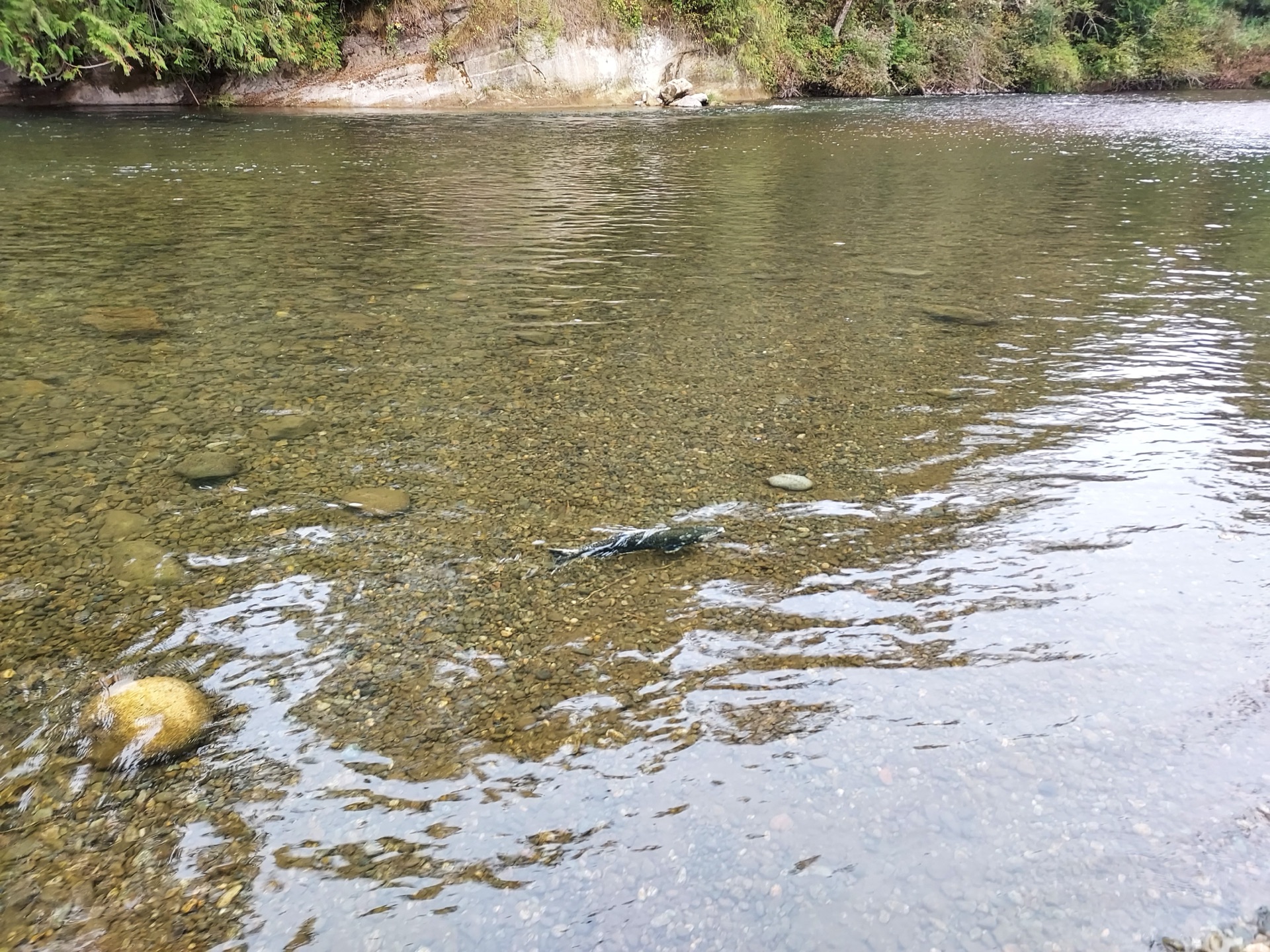
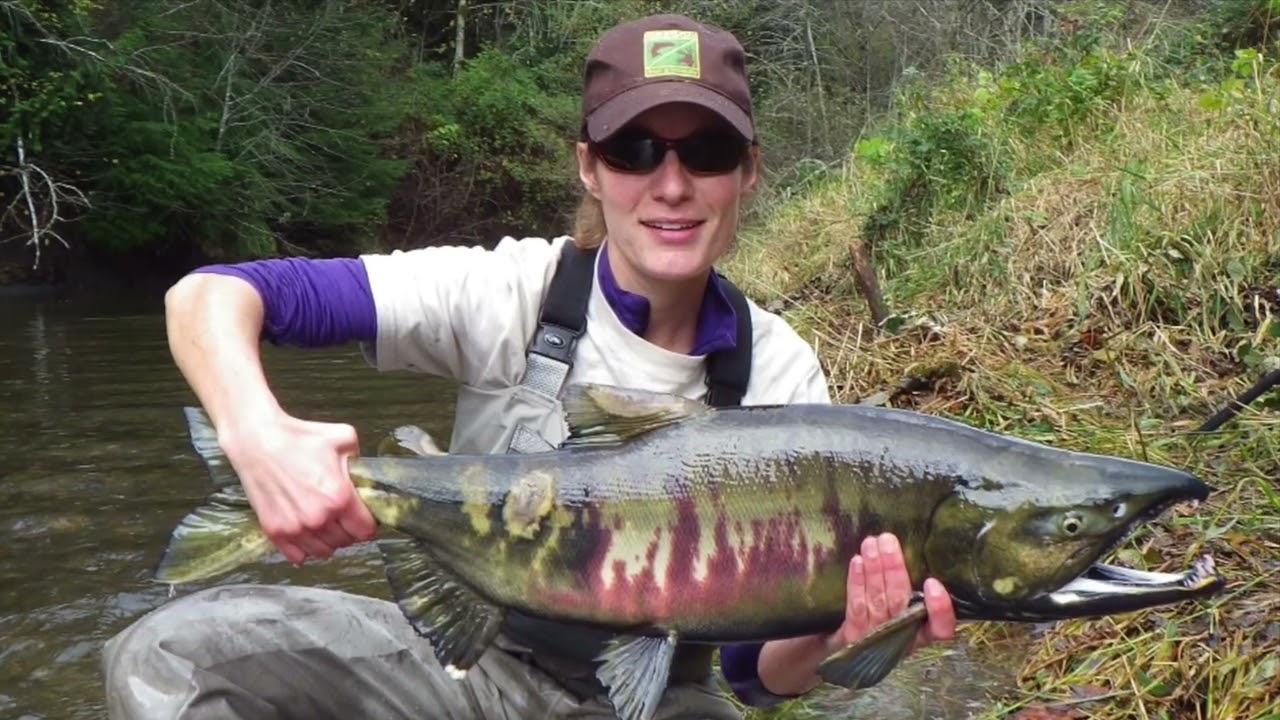
Chum salmon crowding Piper's Creek in October — striped red and green, their canine teeth showing, the city park creek running with the last salmon of the year.
物の哀れ · Mono no Aware
These fish are already dying as they spawn, their bodies reddening and softening in the current. The stream that feeds on them will carry their nutrients to the sea and start the cycle again.
What the season brings?
Mid-October marks the peak of chum salmon (Oncorhynchus keta) runs throughout Pacific Northwest rivers and streams, representing the final major salmon spawning event of the year. Chum salmon, also called "dog salmon" for their prominent canine-like teeth that males develop during spawning, enter coastal streams in massive numbers from October through January. These fish typically weigh 8-15 pounds and develop distinctive vertical bars of red, purple, and green during spawning, creating striking colors against autumn backgrounds. Chum salmon are unique in spawning primarily in the lower reaches of rivers and in very small coastal streams, making them accessible to observers. Their late timing and preference for small streams means chum often spawn in urban and suburban waterways, providing remarkable wildlife viewing opportunities. Chum runs represent autumn's culmination, with thousands of fish crowding small creeks before the final transition to winter.
Convergence chain
Triggered by
October rainfall raising river levels to navigable depth; ocean-cooled water temperatures signaling chum salmon to enter river mouths; accumulated days at sea completing the 3–5 year ocean phase
Enables
Season 66: Eagles Gather — late-season chum carcasses sustain Skagit eagle congregation into December; black bear hyperphagia (last caloric surge before denning); marine nutrient pulse into riparian forest via carcass decomposition; mink and river otter abundance peaks
The cascade
October rains swell the Skagit and Nisqually → chum salmon crowd the shallows in thousands → bears pull fish onto the banks → uneaten carcasses leach marine nitrogen into the soil → riparian cottonwoods and alders absorb the ocean's nutrients → that nitrogen shows up in tree rings as a measurable marine signal, decades later
Foods to Mark the Season
Willamette Valley hazelnuts are in full harvest—freshly shelled Oregon filberts are available at Portland-area farmers markets and specialty grocers, and the state's hazelnut harvest is one of the most distinctly regional agricultural events of fall. The largest seasonal chanterelle hauls typically happen after October rains following a dry spell. Chum salmon continue running throughout the lower Columbia and coastal tributaries.
Events This Season
Adams River, BC, October 9–25 (dominant run, every four years). While chum salmon fill the coastal streams of Washington and Oregon, the dominant Adams River sockeye run reaches its peak in the BC interior — hundreds of thousands of crimson fish spawning in clear gravel beds at Tsútswecw Provincial Park. The two runs are the axis of the Pacific Northwest's October salmon season: one in the lowland streams you can walk to, one in the Interior plateau you travel to witness.
events / british-columbia / salute-to-the-sockeye →Whistler, BC, mid-October. The Whistler Naturalists Society's annual mycology weekend in the Coast Mountains — guided forest forays, identification workshops, and expert presentations during peak fungal fruiting. The same autumn rains that bring chum to the coastal rivers trigger chanterelles, matsutake, and lobster mushrooms across the mountain forests above Whistler.
events / british-columbia / whistler-fungus-among-us →Frequently Asked Questions
Visions of the Season
Related Videos
Read more
Each microseason is approximately 5 days, marking the subtle changes in nature throughout the year.