Snowpack Builds Deep
Snowpack Builds Deep
68/72: Dec 7 to 11
Cascade snowpack builds deep. Winter's water bank accumulating.

風物詩 · Fūbutsushi
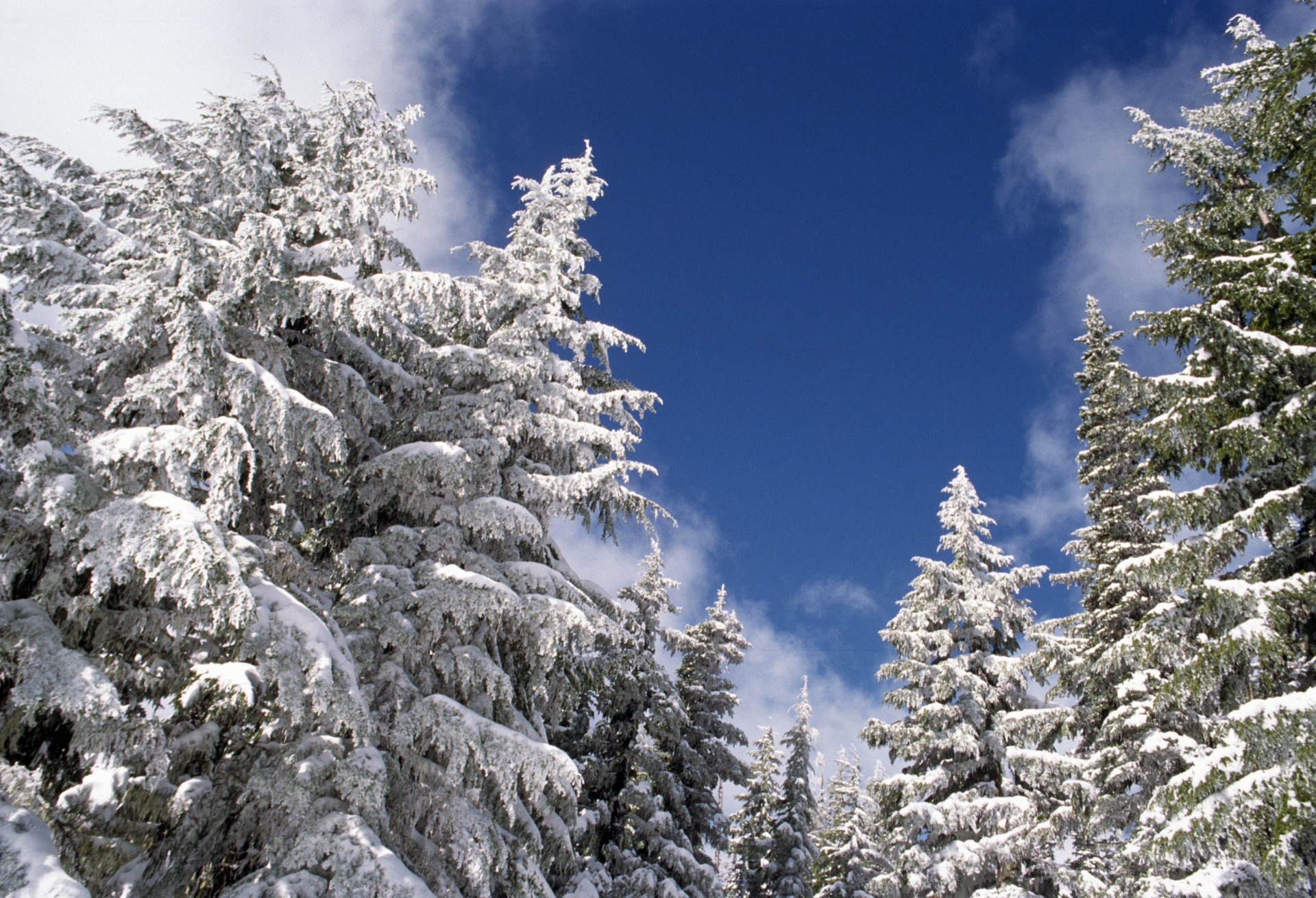
The Cascades under fresh December snow — each storm adding depth to the mountains' water vault, the snowpack that will become every river's summer.
物の哀れ · Mono no Aware
Every inch of snow added now will become river by July. What falls silent and white in December runs loud and cold past salmon redds in summer. The mountains are saving it.
What the season brings?
Early December marks significant snowpack accumulation in the Cascade and Olympic mountains, with each storm system adding depth to the critical winter water storage that sustains the Pacific Northwest through summer. December storms typically deliver 6-18 inches of snow per storm at ski resort elevations (4,000-6,000 feet), with major atmospheric river events occasionally bringing 2-6 feet, while higher elevations receive even greater accumulation, building the foundation for the season's snowpack. This accumulated snow serves as a natural reservoir, storing winter precipitation and releasing it gradually through spring and summer melt. Snowpack is measured at numerous SNOTEL sites throughout the mountains, providing crucial data for water supply forecasting, hydroelectric operations, and streamflow predictions. Deep early-season snowpack creates excellent skiing conditions and promises healthy summer streamflows for salmon and agriculture, while poor snowpack years trigger drought concerns and water management challenges throughout the following summer.
Convergence chain
Triggered by
Pacific storms delivering precipitation as snow above 3,000 feet; the Cascades snowpack builds from December through April, storing the water that will determine summer river levels; each storm that falls as rain below the snow line and snow above it adds to the water bank that salmon depend on in July
Enables
Snowpack building toward Season 20: Snowpack Peaks determines the entire summer water budget; the snow insulates soil beneath from deep freeze, maintaining active soil biota including winter-active earthworms and fungi; subnivean mammals (voles, shrews) tunnel in the snow layer, feeding on stored seeds
The cascade
December storms deposit snow above 3,000 feet → snowpack begins building toward the April peak → insulating snow layer prevents deep soil freeze → soil fauna remain active under the snowpack → voles and shrews tunnel in the subnivean layer, feeding through winter → weasels and martens follow vole tunnels under the snow → the subnivean ecosystem functions invisibly, seeding next spring's small mammal populations → the snowpack's water will reach salmon rivers by June
Foods to Mark the Season
Winter storage crops shine in December—locally stored apples, winter squash, and sunchokes from fall harvest, alongside hearty root vegetables like parsnips and beets that sweeten with cold storage, perfect for warming winter stews and roasts.
Things to Do
Hit the slopes as Pacific Northwest ski resorts open for the season with fresh December snowfall—Mt. Baker, Crystal Mountain, and Stevens Pass offer exceptional early-season powder conditions. Check SNOTEL data online to track real-time snowpack accumulation across the Cascades.
Frequently Asked Questions
Visions of the Season
Read more
Each microseason is approximately 5 days, marking the subtle changes in nature throughout the year.