Bigleaf Maple Burns
Bigleaf Maple Burns
56/72: Oct 8 to 12
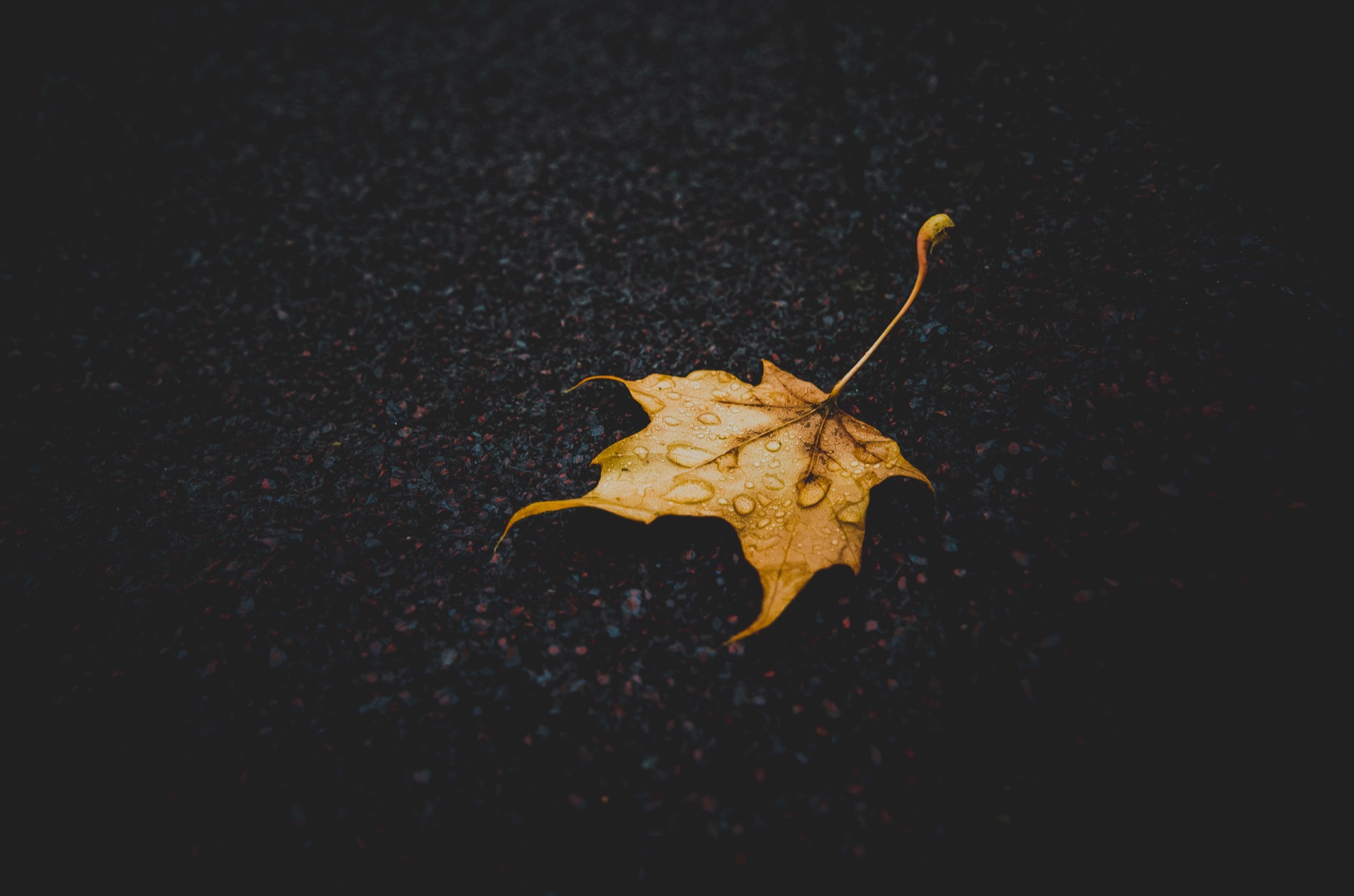
Bigleaf maple flames butter-yellow. Massive leaves like torches in the gorge.

風物詩 · Fūbutsushi
Bigleaf maple at peak color in the Columbia River Gorge in mid-October — enormous butter-yellow leaves like upturned hands catching the last warm light of the year.
物の哀れ · Mono no Aware
When the leaves fall they'll blanket the forest floor a foot deep, and by spring they'll be gone — eaten by soil, returned to the tree that made them. Nothing wasted, nothing remembered.
What the season brings?
Early to mid-October brings peak fall color for bigleaf maple (Acer macrophyllum), the Pacific Northwest's largest maple species, with massive leaves (6-12 inches across) turning brilliant butter-yellow to golden-orange. These trees, which can reach 100+ feet tall with trunks 3-4 feet in diameter, create spectacular displays in moist forests, along streams, and in the Columbia River Gorge where they're particularly abundant. Bigleaf maple leaves are among the largest of any maple species worldwide, and their transformation creates dramatic visual impact visible from considerable distances. The trees often host communities of mosses, ferns, and lichens growing as epiphytes on their branches, adding textural complexity to fall displays. Indigenous peoples throughout the region used bigleaf maple for numerous purposes including tools, implements, and food (the sap can be tapped for syrup like sugar maple, though with lower sugar content).
Convergence chain
Triggered by
Acer macrophyllum color change occurs after the first cold nights (below 5°C) combined with shortened days; it turns after vine maple but before alder, producing the most spectacular yellow-orange-gold display of any PNW tree in the week before leaf drop
Enables
Bigleaf maple's massive leaf fall creates the deepest litter layer of any PNW forest tree, supporting an enormous population of soil invertebrates through winter; samaras disperse in October winds; the decomposing leaf layer sustains banana slug populations that are the primary decomposers; maple-associated fungi (velvet foot, oyster mushrooms) emerge on fallen maple logs through winter
The cascade
October cold triggers bigleaf maple color and leaf drop → massive leaf layer accumulates on forest floor → banana slugs immediately colonize the fresh litter → slug populations peak under maple canopies → thrushes, crows, and robins follow slug abundance → decomposition creates soil warmth that extends invertebrate activity through November → fallen maple logs become substrate for Season 72: Winter Mushrooms Appear over the following years
Foods to Mark the Season
Hedgehog mushrooms (*Hydnum repandum*)—easily identified by their distinctive tooth-like spines rather than gills—join chanterelles as one of the safest beginner mushrooms in the Cascades and Coast Range. Willamette Valley hazelnut (filbert) harvest peaks this month—Oregon grows over 99% of the US crop, and freshly shelled filberts appear at Portland-area farmers markets. Chum salmon runs are at peak in coastal Washington rivers.
Events This Season
Adams River, BC, October 9–25. The dominant sockeye run at Adams River — one of the world's great wildlife spectacles, occurring every four years. Hundreds of thousands of bright-red sockeye spawn and die in the river where they were born. Interpretive walks, First Nations cultural programming, and artisan markets in Tsútswecw Provincial Park.
events / british-columbia / salute-to-the-sockeye →Port Angeles, WA, second weekend of October. The opening of Dungeness crab season on the Strait of Juan de Fuca — freshly harvested crab cooked on the waterfront, 75+ vendors, Coast Guard tours, and ferries arriving from Victoria. The bigleaf maples are turning gold in the Elwha valley just behind town.
events / washington / dungeness-crab-seafood-festival →Frequently Asked Questions
Visions of the Season
Read more
Each microseason is approximately 5 days, marking the subtle changes in nature throughout the year.