Night Grows Equal
Night Grows Equal
53/72: Sep 23 to 27
Day and night stand equal. Balance before the darkness grows.

風物詩 · Fūbutsushi
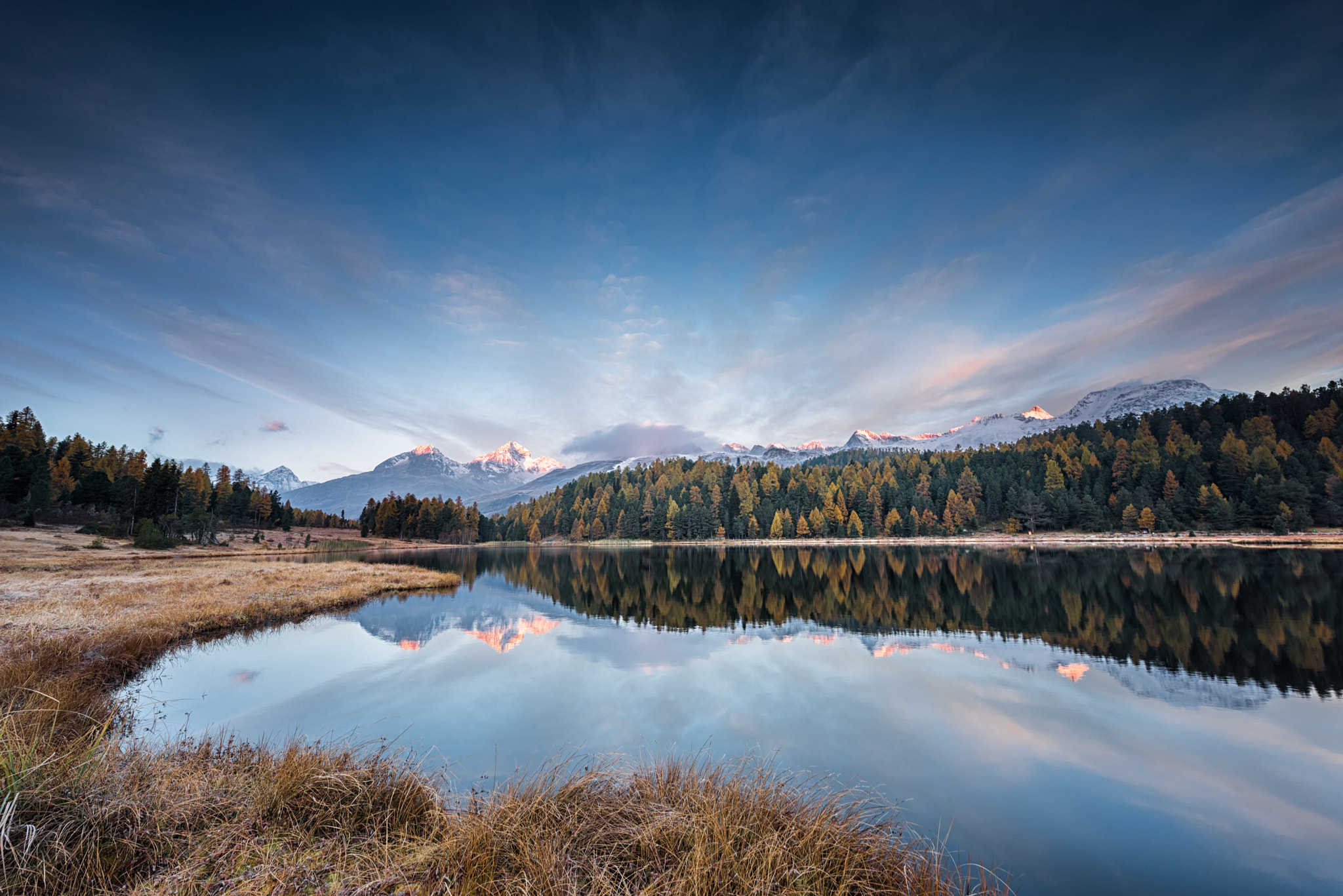
The autumn equinox — the one day of equal balance before darkness claims the longer share, the fulcrum of the year tipping toward winter.
物の哀れ · Mono no Aware
After today the nights grow longer faster and faster, accelerating toward December. The light that felt permanent all summer has already begun its long retreat.
What the season brings?
The autumn equinox (around September 22-23) marks the astronomical transition to fall, when day and night are nearly equal in length at approximately 12 hours each. Following the equinox, the Pacific Northwest loses 2-3 minutes of daylight daily, creating a rapid descent toward winter's short days. This astronomical event coincides with dramatic ecological changes including peak fall color, salmon spawning runs, southbound bird migration, and the first significant fall storms. The equinox triggers important phenological responses throughout Pacific Northwest ecosystems, with plants and animals responding to decreasing day length and lower sun angles. Indigenous peoples throughout the region recognized the equinox as a critical transition point, marking the shift from summer's abundance to winter's challenges. Modern observers can witness this balance point between light and darkness before the inevitable slide toward December's winter solstice.
Convergence chain
Triggered by
Autumn equinox delivers 12 hours of day and night — a critical photoperiod threshold that triggers dormancy responses simultaneously across hundreds of species; unlike the spring equinox which accelerates activity, the fall equinox initiates synchronized shutdown sequences
Enables
Elk rut (Season 51: Bulls Bugle) intensifies past the equinox as photoperiod drops below 12 hours, driving testosterone to peak; deciduous trees accelerate abscission layer formation; anadromous fish imprint on home stream odors at peak intensity during fall passage; bears accelerate hyperphagia finalization
The cascade
Photoperiod crosses 12-hour threshold → bull elk testosterone peaks and rut intensifies → cows concentrate around dominant bulls → deciduous trees accelerate leaf-drop preparation → first significant leaf fall follows within 10 days → leaf litter creates habitat for ground-dwelling fungi and invertebrates → the same photoperiod signal triggering elk rut also signals bears to finalize hyperphagia → the whole system pivots from growth to storage in the same 5-day window
Foods to Mark the Season
Chanterelle season reaches peak abundance in western Oregon and Washington—this is the canonical PNW fall mushroom moment in Douglas fir forests from sea level to 3,000 ft. Chum salmon begin appearing in coastal streams, particularly on the Olympic Peninsula and in Puget Sound. Willamette Valley Pinot noir harvest begins. Wenatchee and Yakima Valley apple harvest (Honeycrisp, Fuji, Gala) is at full intensity.
Events This Season
Leavenworth, WA, last weekend of September. Washington's original autumn festival (since 1964), timed to peak cottonwood gold on the Wenatchee River and the first high-country larch color above Icicle Creek. The balance of day and night tips into autumn just as the Bavarian-themed town fills with folk dancing, live music, and a fall color parade.
events / washington / leavenworth-autumn-leaf-festival →Stevenson, WA (Columbia River Gorge), last weekend of September. Three-day festival as the first autumn rains trigger the chanterelle flush in the Cascade foothills forests — Friday gala at the Columbia Gorge Museum, Saturday passport adventure through downtown, and Sunday USFS-guided forest forays.
events / washington / stevenson-mushroom-festival →Bamfield, BC (west Vancouver Island), last weekend of September. Two-day mycology festival in a remote rainforest village on Barkley Sound — guided Sitka spruce and cedar forest walks, expert lectures, and mushroom dyeing demonstrations at the Bamfield Marine Sciences Centre. The outer coast's first fall rains arrive precisely in this window.
events / british-columbia / bamfield-fungus-festival →Frequently Asked Questions
Visions of the Season
Read more
Each microseason is approximately 5 days, marking the subtle changes in nature throughout the year.