72 Microseasons of the Pacific Northwest
59/72: Oct 23 to 27
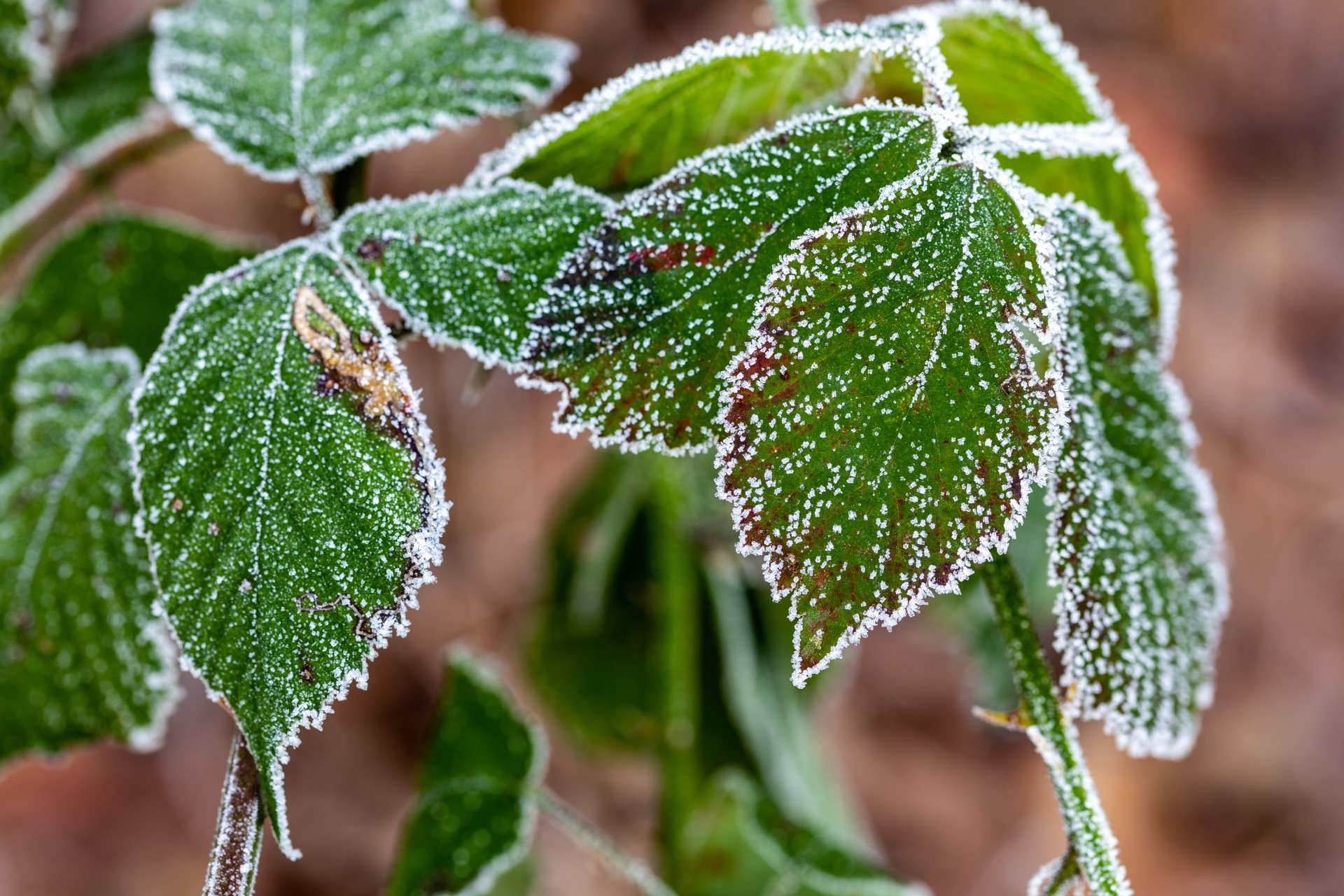
First frost silvers the lowlands. Pumpkin vines glisten with ice.

What the season brings?
Late October typically brings the first killing frost to Pacific Northwest lowlands, with overnight temperatures dropping to 28-32°F and coating vegetation with delicate ice crystals. These first frosts transform gardens overnight, turning pumpkin and squash vines black, killing tender annuals, and creating ephemeral displays of frost-silvered grass and spider webs glistening in morning light. The timing of first frost varies considerably across the region—valley bottoms and areas prone to cold air drainage may see frost in mid-October, while areas near water or on slopes may not experience killing frost until November. First frost marks an important phenological transition, triggering leaf drop in many deciduous trees, ending the growing season for frost-sensitive plants, and signaling wildlife to complete winter preparations. The beauty of frost-silvered landscapes provides consolation for summer's definitive end.
Foods to Mark the Season
Late-October chanterelles and hedgehog mushrooms continue in western Oregon and Washington, with chum salmon persisting on the coast through November. Stored apples (Fuji, Granny Smith) and fresh pears from Hood River fill farmstand shelves across eastern Washington and the Columbia Gorge. Oregon hazelnut harvest wraps up for the season, and Walla Walla wine harvest concludes.
Frequently Asked Questions
Visions of the Season
Read more
Each microseason is approximately 5 days, marking the subtle changes in nature throughout the year.