72 Microseasons of the Pacific Northwest
55/72: Oct 3 to 7
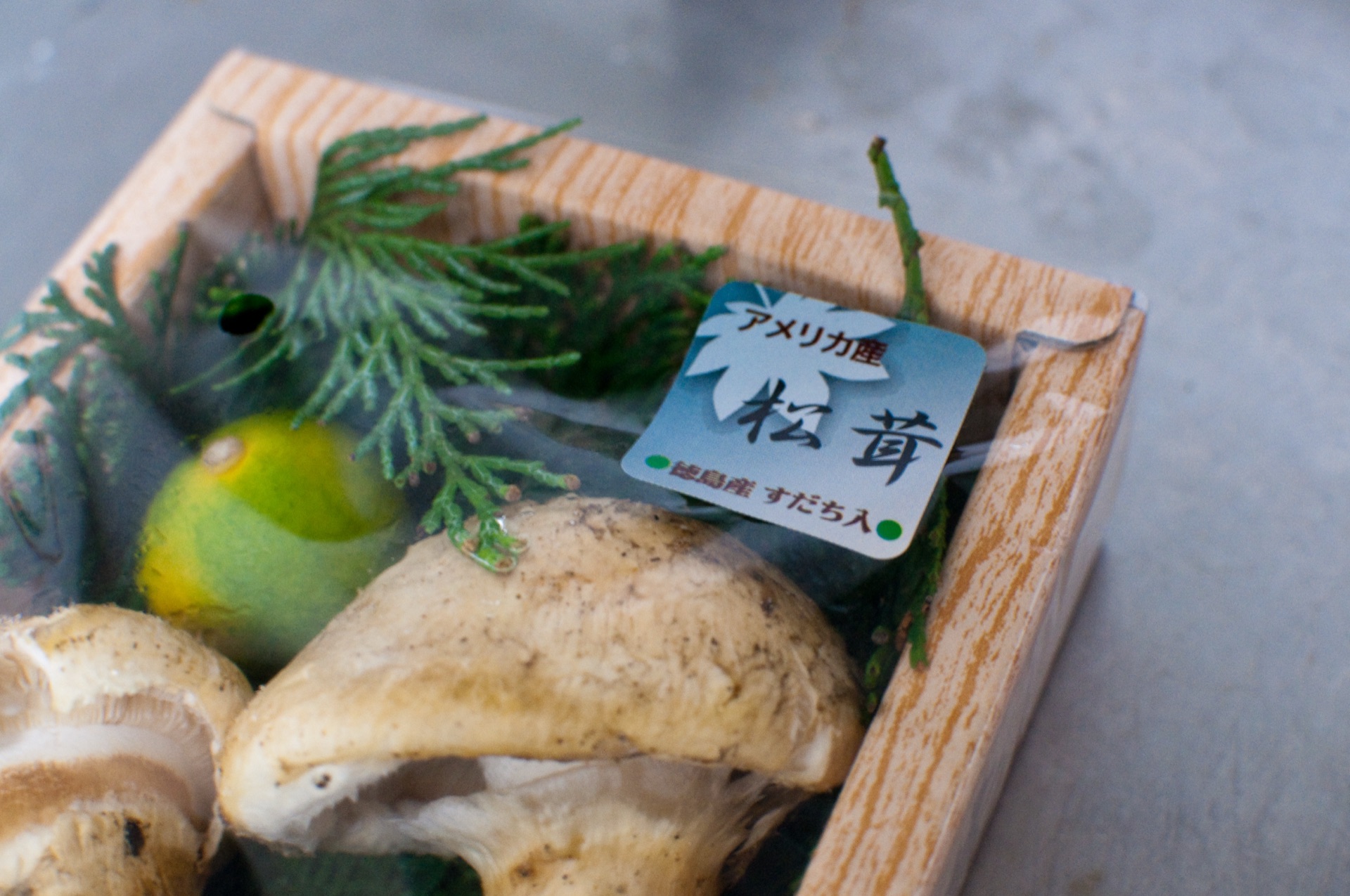
Matsutake return to their exact places. Precious mushrooms, the same spots for decades.

What the season brings?
Early October brings matsutake mushrooms (Tricholoma matsutake) to Pacific Northwest forests, with these highly prized fungi returning to the exact same locations year after year, sometimes for decades. Matsutake are among the world's most valuable wild mushrooms, commanding prices of $20-100+ per pound depending on quality and market demand. In the Pacific Northwest, they fruit primarily in the Cascade Range foothills in association with Douglas-fir, forming mycorrhizal relationships with tree roots. Matsutake have a distinctive spicy-cinnamon aroma and firm, white flesh, though they're completely hidden beneath forest duff when young, requiring experienced hunters to locate them. The mushrooms fruit in late September through November, with peak abundance in October. Commercial matsutake harvesting represents a significant economic activity in Pacific Northwest forests, with much of the harvest exported to Japan where matsutake hold deep cultural significance.
Foods to Mark the Season
Chum salmon fishing intensifies in Hood Canal and Puget Sound tributary rivers—chum are the largest salmon run by numbers in Puget Sound, and their roe is especially prized. Fall mushroom season reaches peak form: chanterelles, hedgehog mushrooms, and king boletes all fruiting simultaneously throughout the western Cascades and Coast Range. Hood River Fruit Loop orchards offer fresh-pressed cider and apple picking.
Frequently Asked Questions
Visions of the Season
Read more
Each microseason is approximately 5 days, marking the subtle changes in nature throughout the year.