72 Microseasons of the Pacific Northwest
52/72: Sep 18 to 22
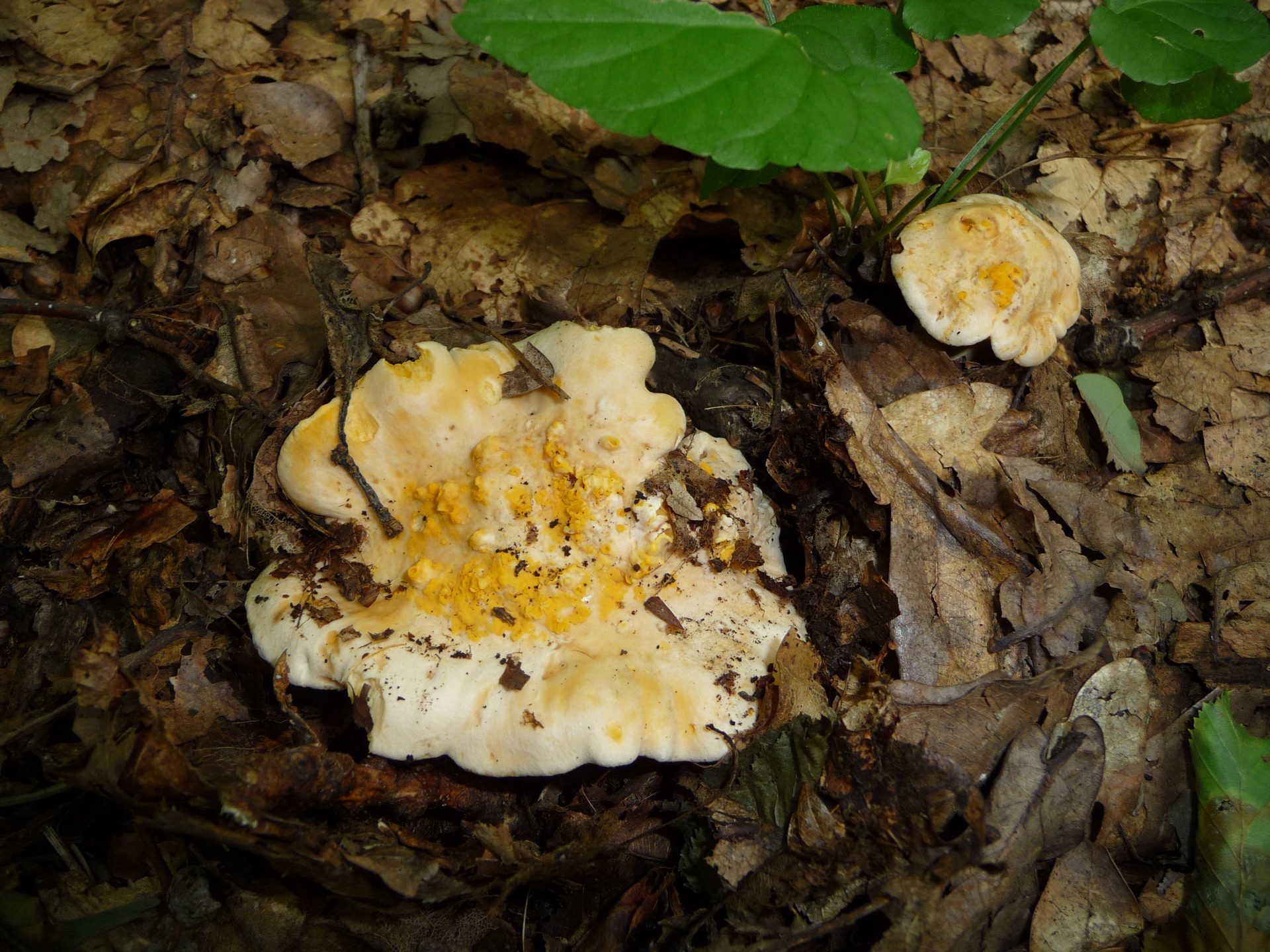
Chanterelles erupt after first rains. The forest floor suddenly golden.

What the season brings?
Late September brings the first significant fall rains to Pacific Northwest lowlands, triggering explosive chanterelle fruiting that transforms forest floors into golden treasure troves. After months of summer drought, the first substantial precipitation events (typically 1-3 inches over several days) stimulate chanterelle mushrooms to push through the forest duff in massive numbers. Pacific golden chanterelles (Cantharellus formosus) and other species fruit prolifically in coniferous forests, with experienced mushroom hunters reporting pounds to tens of pounds of mushrooms in productive locations. The sudden abundance creates a gold rush atmosphere as commercial and recreational foragers head to the woods. Chanterelles continue fruiting through November and into December, but the late September flush following first rains represents one of the most productive and exciting periods for mushroom hunters throughout the Pacific Northwest.
Foods to Mark the Season
Matsutake season reaches its peak in central Oregon ponderosa pine forests—Oregon is one of the world's major matsutake exporters, much of the harvest going to Japan. King bolete/porcini (*Boletus edulis*) appear after fall rains in the Cascades. Wine grape harvest intensifies across Willamette Valley, Walla Walla, and Columbia Valley. Hood River apple harvest is underway (Gala, Fuji, Honeycrisp).
Frequently Asked Questions
Visions of the Season
Read more
Each microseason is approximately 5 days, marking the subtle changes in nature throughout the year.