72 Microseasons of the Pacific Northwest
47/72: Aug 23 to 27
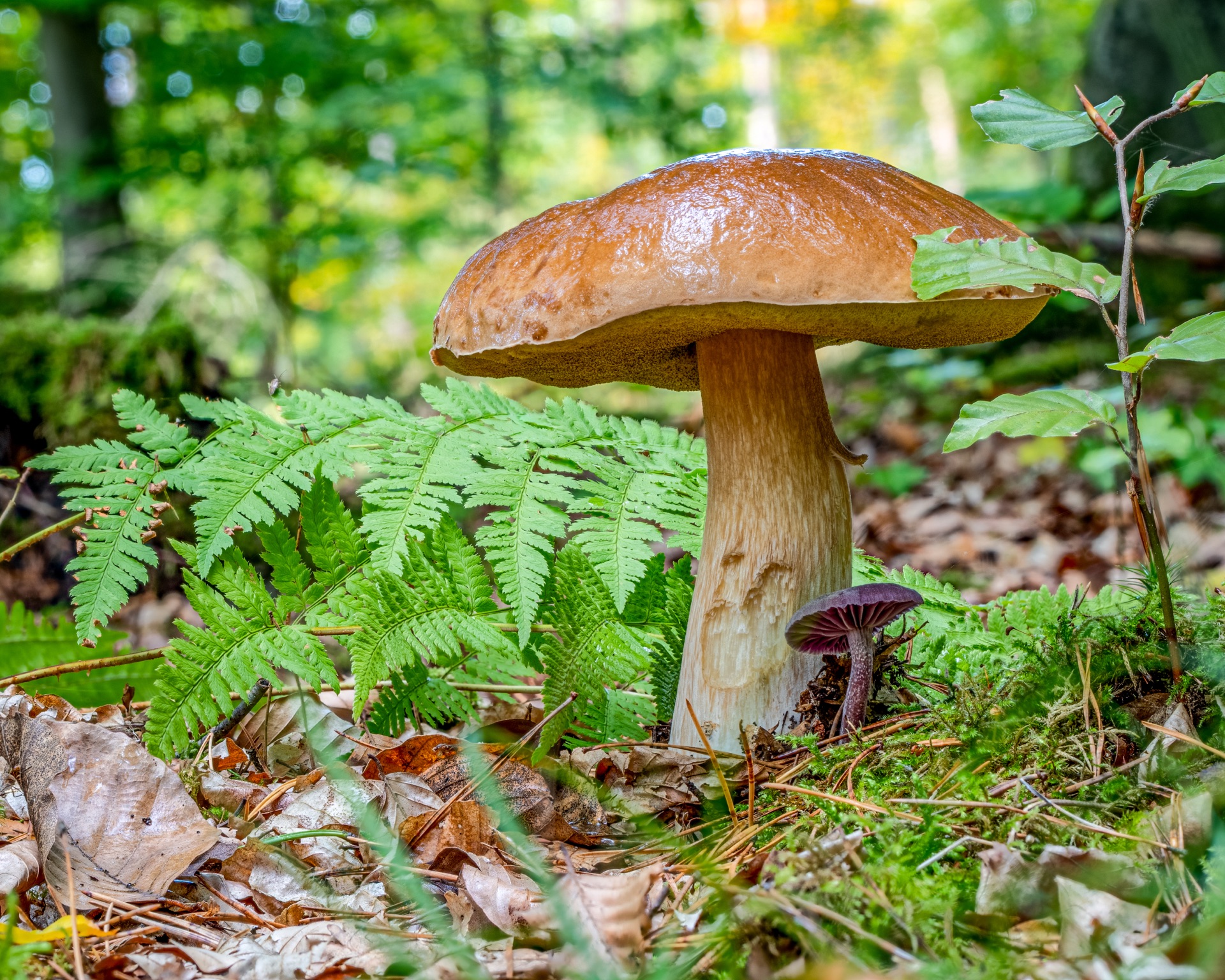
King boletes rise near mountain streams. Porcini in the cool, shaded moss.

What the season brings?
Late August brings king bolete mushrooms (Boletus edulis, also called porcini) to Pacific Northwest mountain forests, with these prized edibles fruiting in cool, moist habitats near streams and in shaded mossy areas. King boletes are among the most sought-after wild mushrooms globally, prized for their rich, nutty flavor and meaty texture. In the Pacific Northwest, they fruit primarily at higher elevations (3,000-6,000 feet) in coniferous forests, forming mycorrhizal associations with spruce, fir, and hemlock. These distinctive mushrooms have thick white stems, brown caps that can reach 6-10 inches across, and yellowish pore surfaces instead of gills. King boletes are relatively easy to identify and have no deadly look-alikes, making them popular targets for mushroom hunters. They fruit most prolifically following warm, moist periods in late summer and fall, often appearing in the same locations year after year.
Foods to Mark the Season
Native trailing blackberries (*Rubus ursinus*) linger at higher elevations as lowland wild blackberries wind down. Huckleberries are at their highest Cascade elevations (5,000–6,000 ft) in the final week before early frosts. Coho salmon are building toward their September peak in Puget Sound, coastal rivers, and the Columbia. Fall Chinook river fishing opens on Columbia tributaries.
Frequently Asked Questions
Visions of the Season
Read more
Each microseason is approximately 5 days, marking the subtle changes in nature throughout the year.