72 Microseasons of the Pacific Northwest
46/72: Aug 18 to 22
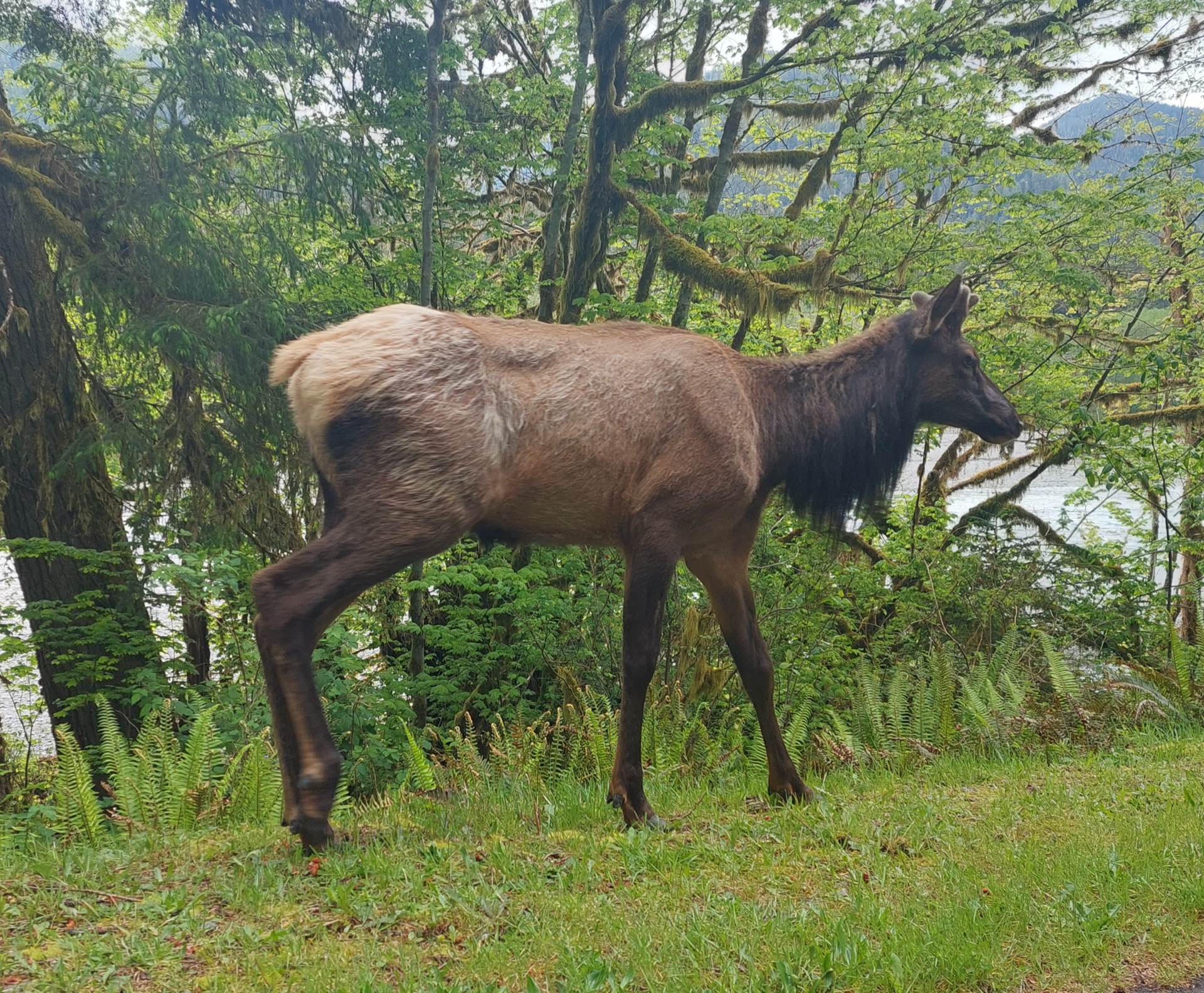
Bull elk begin their practice bugles. Tentative calls echoing in mountain meadows. Marmots retreat to their winter sleep. Seven months underground begins.

What the season brings?
Late August brings the beginning of elk (Cervus canadensis) rut in Pacific Northwest mountains, with bull elk starting their practice bugles in preparation for the intense breeding season ahead. These tentative calls echo across mountain meadows and forests as bulls test their voices and begin establishing dominance hierarchies. The full rut peaks in September, but August marks the transition from bachelor groups to competitive breeding behavior. Simultaneously, Olympic marmots begin entering hibernation, retreating to underground burrows where they'll spend the next 7-8 months in torpor. This dramatic difference—elk becoming increasingly active and vocal while marmots disappear entirely—illustrates the diverse strategies Pacific Northwest mammals use to survive seasonal changes. Listen for elk bugles in the Cascades, Olympics, and Coast Range, while marmot colonies in Olympic National Park fall silent as animals vanish into their alpine dens.
Foods to Mark the Season
Chanterelles begin fruiting in Cascade foothills and Coast Range forests following summer rain events—early-season golden chanterelles appear in mossy Douglas fir and hemlock forests. Huckleberries at 4,000–6,000 ft elevation are at peak. Coho salmon begin entering Puget Sound and coastal rivers in increasing numbers, available in ocean salmon fisheries. Sweet corn is at its very best in Skagit Valley.
Frequently Asked Questions
Visions of the Season
Read more
Each microseason is approximately 5 days, marking the subtle changes in nature throughout the year.