72 Microseasons of the Pacific Northwest
37/72: Jul 1 to 5
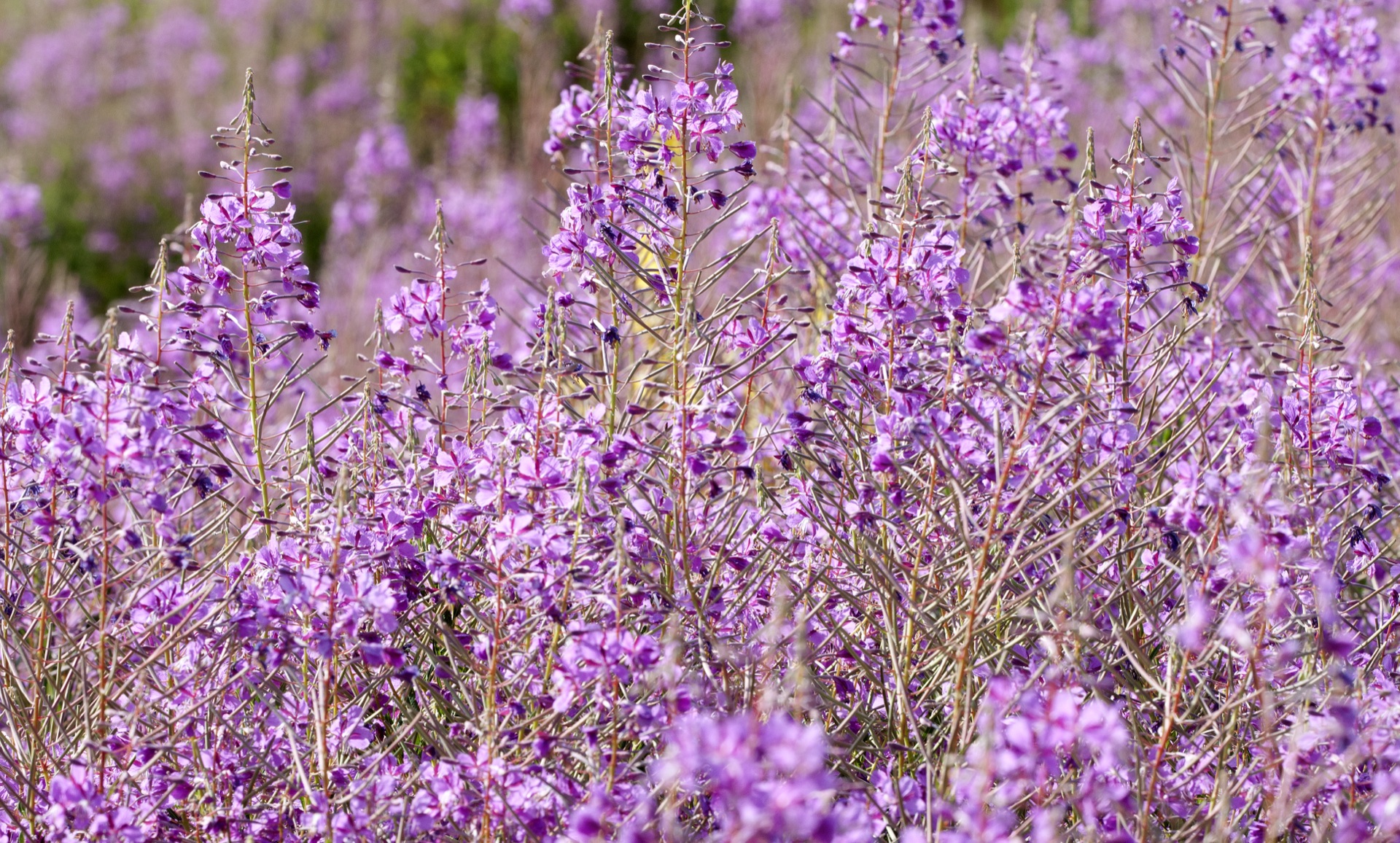
Fireweed begins its upward climb. Magenta towers, blooming bottom to top.

What the season brings?
Early July brings the beginning of fireweed (Chamerion angustifolium) flowering, with these tall, showy plants producing brilliant magenta-pink flower spikes in disturbed areas, clear-cuts, burn sites, and mountain meadows throughout the Pacific Northwest. Fireweed is famous for its distinctive bottom-to-top blooming pattern, with flowers opening progressively up the 3-6 foot tall stems over several weeks. This sequential blooming creates a natural calendar—when flowers reach the top of the spike, locals know summer is waning and fall approaches. Fireweed rapidly colonizes disturbed sites, often being among the first plants to return after logging or wildfire, giving it the nickname "blooming fire." The flowers attract numerous pollinators including bees and hummingbirds, while the seeds develop feathery white plumes that disperse on the wind by late summer, creating cotton-like drifts across the landscape.
Foods to Mark the Season
Puget Sound recreational Dungeness crab season opens in most marine areas in early July (WDFW sets exact dates annually). Marionberries are at peak harvest in the Willamette Valley—these hybrid blackberries are grown almost exclusively in Oregon and are the state's most important berry crop. Sockeye salmon are entering the Columbia River in fishable numbers.
Frequently Asked Questions
Visions of the Season
Read more
Each microseason is approximately 5 days, marking the subtle changes in nature throughout the year.