72 Microseasons of the Pacific Northwest
36/72: Jun 26 to 30
Pacific High pressure builds. Blue skies stake their claim for months.

What the season brings?
Late June marks the strengthening of the Pacific High pressure system, a semi-permanent high-pressure ridge that dominates Pacific Northwest weather through summer. This massive system, centered several hundred miles offshore, deflects storm systems northward and creates the region's characteristic dry, sunny summer weather. Under the Pacific High's influence, the Pacific Northwest experiences extended periods of clear blue skies, warm temperatures (typically 70-85°F in lowlands), and minimal precipitation. Morning fog or clouds along the coast often burn off by midday, while inland areas enjoy consistently sunny conditions. This reliable weather pattern makes summer the Pacific Northwest's prime outdoor recreation season, though occasional heat waves can push temperatures above 90-100°F when the high-pressure system intensifies or moves closer to shore. The Pacific High typically maintains its influence until September, when it weakens and retreats southward.
Foods to Mark the Season
Oregon marionberry harvest begins in late June—this hybrid blackberry is grown almost exclusively in Oregon and is one of the most distinctly Pacific Northwest commercial fruits. Blueberry season expands across both states. Columbia River and coastal rivers see the first summer Chinook entering freshwater, and Dungeness crab recreational season in Puget Sound is in full summer swing.
Frequently Asked Questions
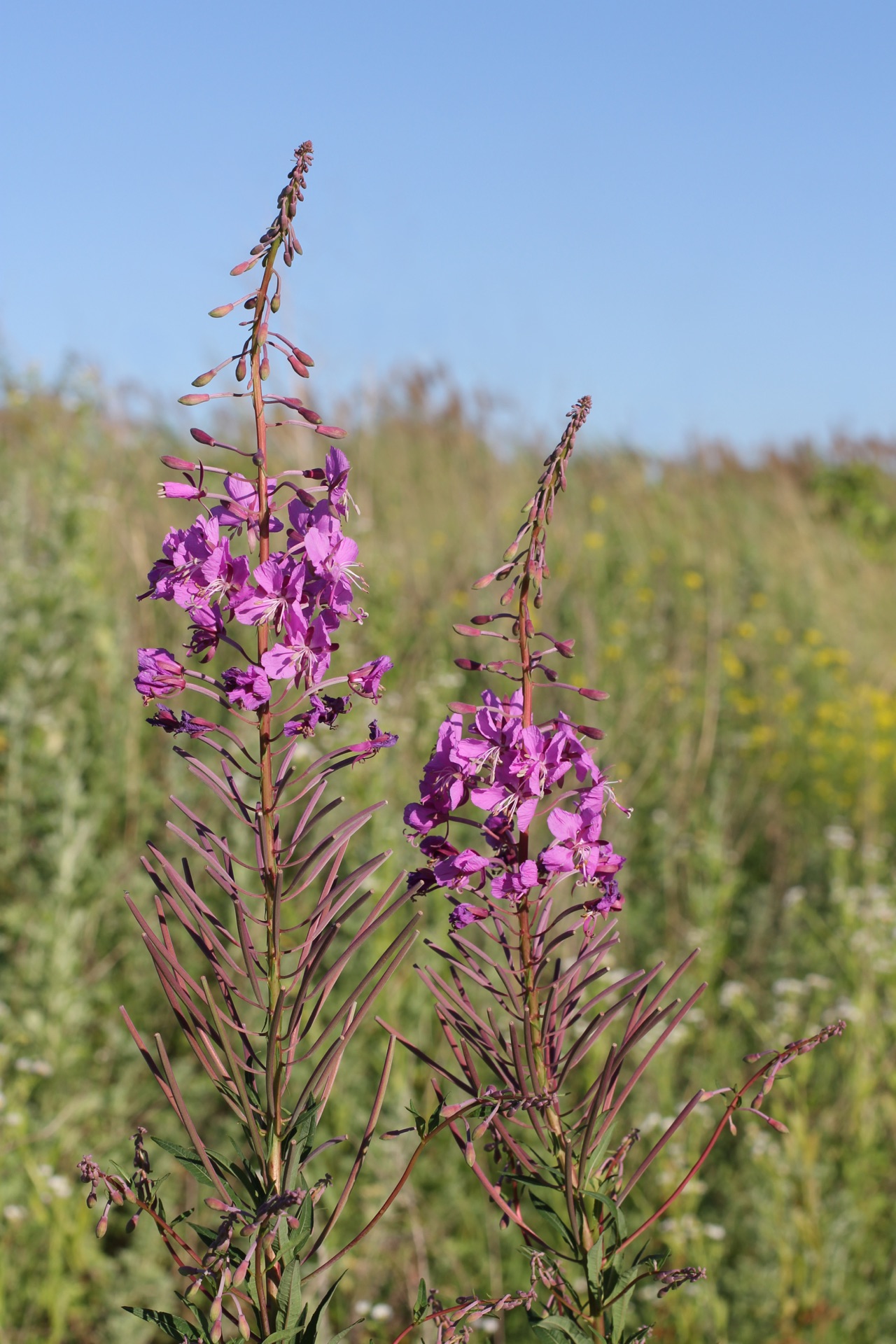
Visions of the Season
Read more
Each microseason is approximately 5 days, marking the subtle changes in nature throughout the year.