72 Microseasons of the Pacific Northwest
29/72: May 20 to 24
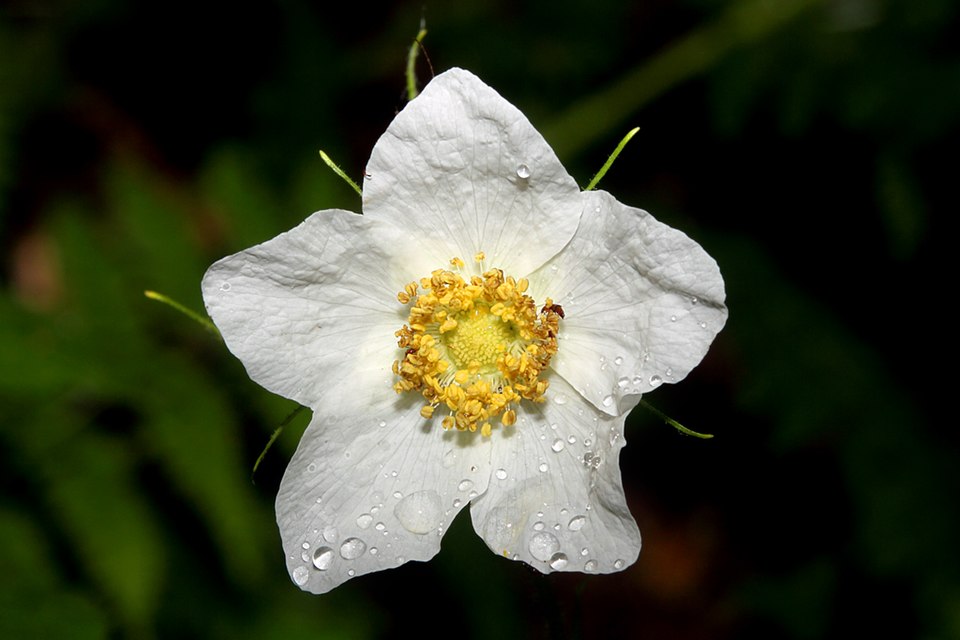
Thimbleberry unfolds white blossoms. Large flowers promising summer's soft fruit.

What the season brings?
Late May brings the flowering of thimbleberry (Rubus parviflorus), a Pacific Northwest native shrub that produces large white flowers (1-2 inches across) with five delicate crinkled petals. These deciduous shrubs grow 3-8 feet tall with distinctive large maple-like leaves (4-8 inches wide) and no thorns, unlike most other Rubus species. Thimbleberry thrives in moist forests, along streams, and in disturbed areas from Alaska to northern California, often forming dense thickets in partial shade. The flowers attract native bees and other pollinators, while the soft red thimble-shaped berries that develop by mid to late summer are edible and sweet, though somewhat seedy. Indigenous peoples throughout the region ate the berries fresh, and the large leaves were used for various purposes including lining berry baskets and as a emergency "forest toilet paper."
Foods to Mark the Season
Oregon Hood strawberries are at or near peak at Portland Farmers Market and Willamette Valley farm stands—a fleeting variety that draws devoted regulars every May. Washington Shuksan strawberries begin in the Skagit and Snohomish valleys. Pacific halibut sport fishing is open on the Oregon and Washington coasts, and morel season continues at higher Cascade elevations (2,000–4,000 ft burn zones).
Frequently Asked Questions
Visions of the Season
Read more
Each microseason is approximately 5 days, marking the subtle changes in nature throughout the year.