72 Microseasons of the Pacific Northwest
24/72: Apr 25 to 29
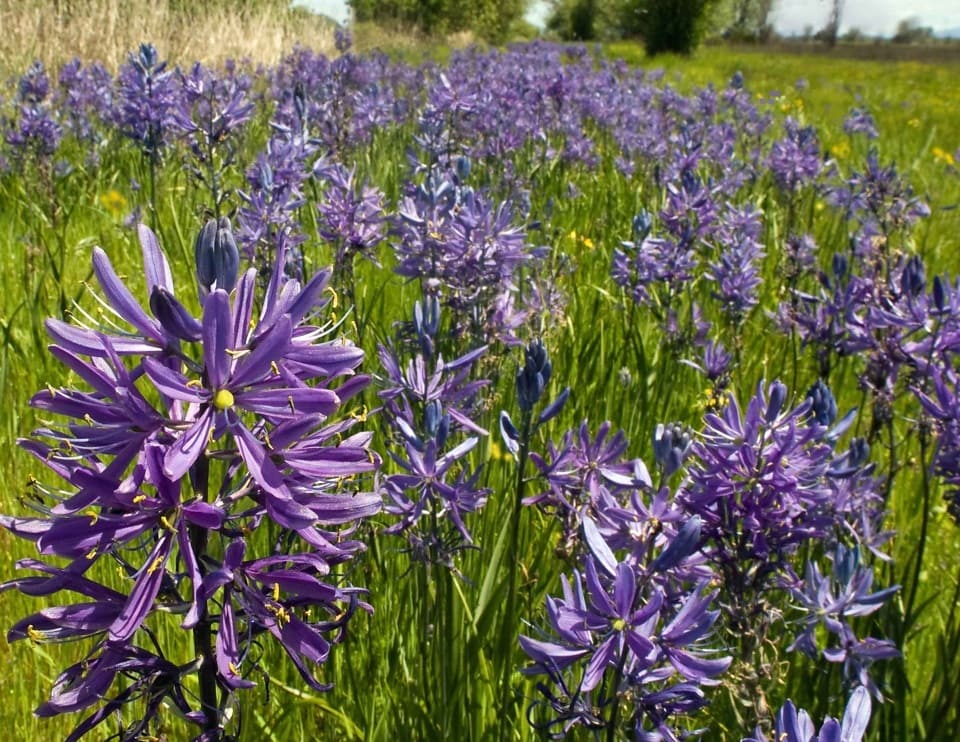
Camas meadows become inland seas. Blue waves that sustained the first peoples.

What the season brings?
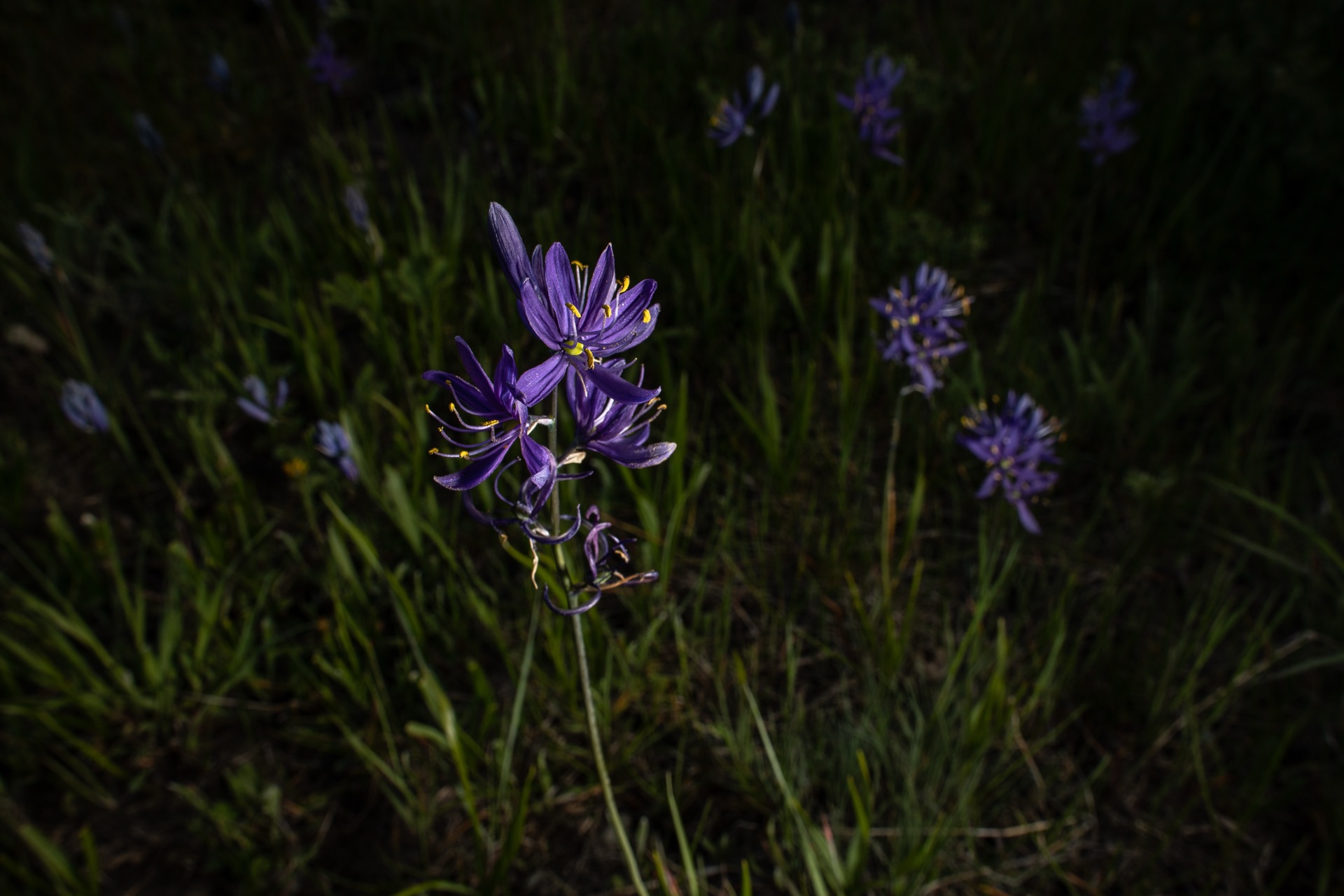
Late April through early May transforms camas meadows into breathtaking seas of blue flowers across the Pacific Northwest, particularly in the Willamette Valley, Puget Sound prairies, and southern British Columbia. Common camas (Camassia quamash) produces tall spikes of star-shaped blue-purple flowers that once covered hundreds of thousands of acres before agricultural conversion. These bulb-forming plants were one of the most important food sources for indigenous peoples throughout the region, with tribes managing meadows through burning and selective harvesting for thousands of years. Camas bulbs were pit-roasted for days to convert inulin into digestible sugars, creating a sweet, nutritious food that could be dried and stored. Today, remaining camas meadows are conservation priorities, with places like Camassia Natural Area in West Linn, Oregon preserving these culturally and ecologically vital ecosystems.
Foods to Mark the Season
Salmonberries are ripening broadly across coastal rainforest zones of western Washington and Oregon, coinciding with spring Chinook in coastal streams—a traditional Indigenous pairing. Morel season continues in burn zones and higher riparian sites. Local lettuces, radishes, and spring greens are abundant at regional farmers markets, and Yakima Valley asparagus is at peak supply.
Frequently Asked Questions
Visions of the Season
Read more
Each microseason is approximately 5 days, marking the subtle changes in nature throughout the year.