72 Microseasons of the Pacific Northwest
20/72: Apr 5 to 9
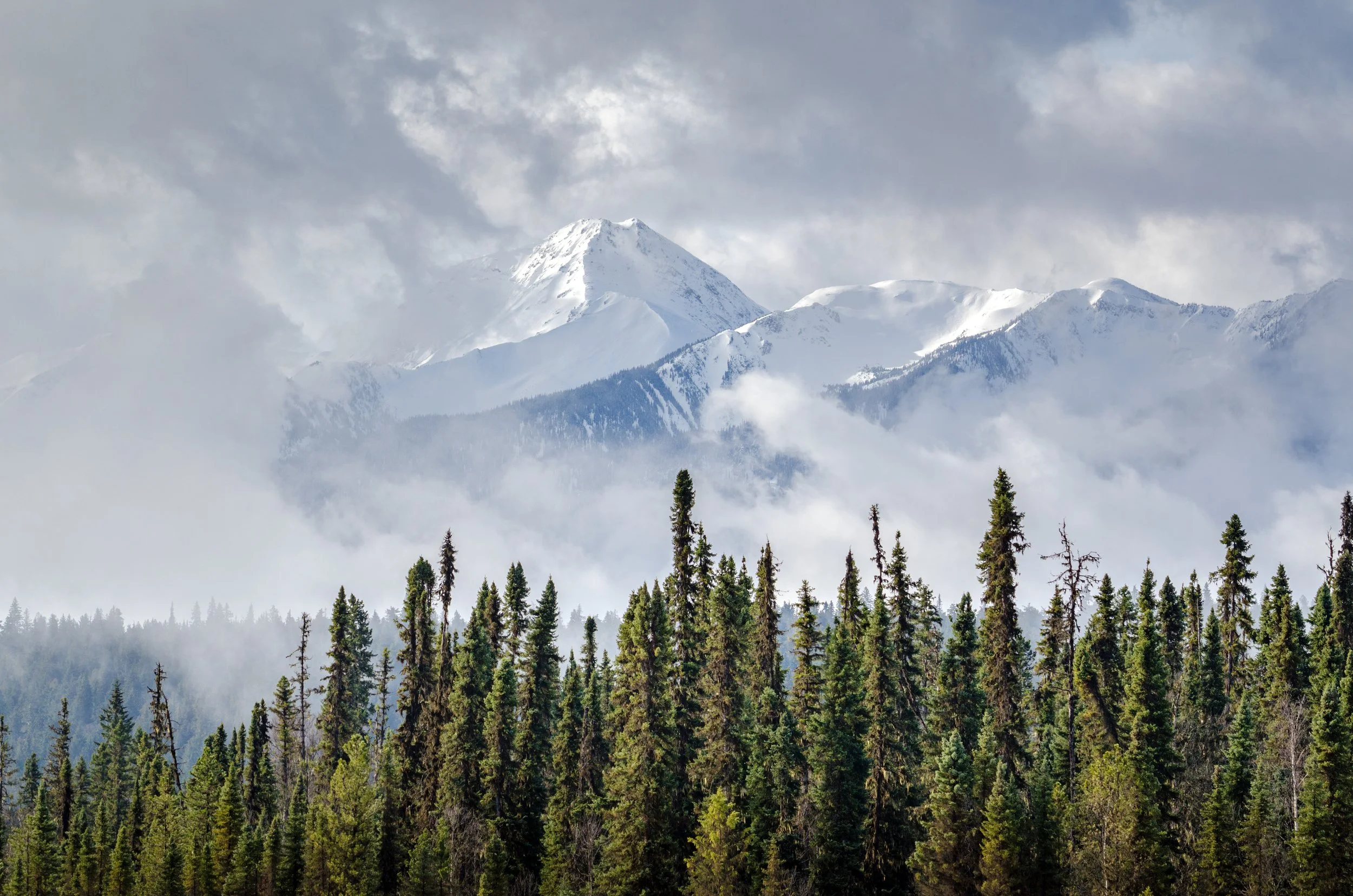
Mountain snowpack reaches its zenith. Ancient April measure, though the peaks remember deeper snows.

What the season brings?
Early April historically marked the peak of Cascade mountain snowpack, representing the maximum water storage before spring melting begins. Snowpack in the Cascades and Olympics serves as the Pacific Northwest's natural reservoir, storing winter precipitation and releasing it gradually through spring and summer. April 1st snowpack measurements have traditionally been used to predict summer water availability for agriculture, hydroelectric power, and municipal water supplies. However, climate change has significantly altered this pattern, with peak snowpack now often occurring in March and total accumulation declining over recent decades. Modern snowpack in the Cascades typically measures 50-70% of historical averages, with profound implications for regional water management, salmon habitat, and ecosystem health throughout the dry summer months.
Foods to Mark the Season
Yellow morels peak in riparian zones throughout the Columbia, Willamette, and coastal river drainages. Ramps and wild onion are at their peak in moist, shaded woodland slopes. Local asparagus arrives steadily at PNW farmers markets, and miner's lettuce is still abundant and crisp in cool shaded spots before warm weather ends its season.
Frequently Asked Questions
Visions of the Season
Read more
Each microseason is approximately 5 days, marking the subtle changes in nature throughout the year.