72 Microseasons of the Pacific Northwest
18/72: Mar 26 to 30
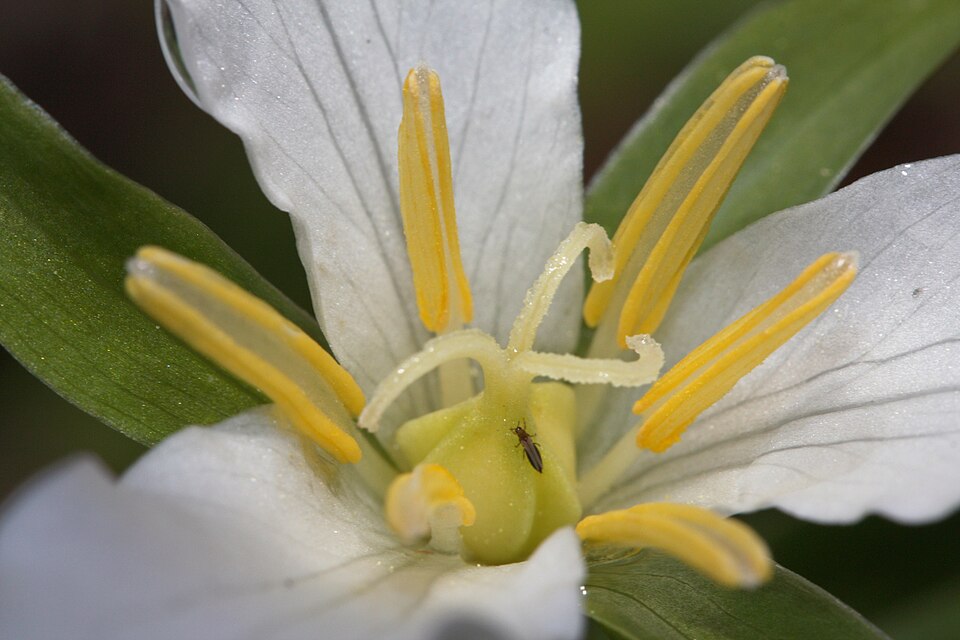
Trillium carpets the forest floor. White three-petaled stars beneath the cedars.

What the season brings?
Late March through early April brings the peak blooming of western trillium (Trillium ovatum) across Pacific Northwest forests, creating carpets of elegant three-petaled white flowers beneath Douglas-fir, western redcedar, and bigleaf maple canopies. These long-lived perennials can take 7-10 years to flower from seed and may live for decades in undisturbed forests. Each flower has three white petals that gradually turn pink as they age, three green sepals, and three leaves in a distinctive whorl. Trillium flowers are pollinated primarily by native bees and beetles, and their seeds are dispersed by ants attracted to nutrient-rich structures called elaiosomes. Look for these woodland treasures in moist, shaded forests from British Columbia to northern California, where they often grow in large colonies. Indigenous peoples used trillium medicinally, though modern foragers should never harvest these slow-growing natives.
Foods to Mark the Season
Camas meadows bloom across the Willamette Valley and Puget Trough, marking the traditional harvest window for this most important Indigenous starchy food of the Pacific Northwest interior. Fiddleheads peak in lowland western Oregon and Washington, morels expand into warming riparian corridors, and first asparagus from Skagit Valley and Willamette Valley farms arrives at markets.

This Season’s Podcast
The Wildflower That Lives Seventy Years
Western trillium takes a decade to bloom and can outlive most of us — a slow, patient life unfolding beneath the cedars of the Pacific Northwest forest.
Frequently Asked Questions
Visions of the Season
Read more
Each microseason is approximately 5 days, marking the subtle changes in nature throughout the year.